Comparison
Viltrox 16 mm f/1.8 vs. Sony FE 14 mm f/1.8 GM: wide-angle duel
Viltrox 16 mm f/1.8 versus Sony FE 14 mm f/1.8 GM for landscapes and stars: angle of view, corners and coma, Milky Way settings and a used-copy check.
The Viltrox AF 16 mm f/1.8 and the Sony FE 14 mm f/1.8 GM are two fast wide-angle lenses for the E mount that suit landscapes, architecture and above all the night sky. The Sony is much more expensive; the Viltrox tempts with its price. I go through how the angle of view, corner quality, handling and build differ, and add how to choose and check a used copy for astrophotography.
14 mm or 16 mm
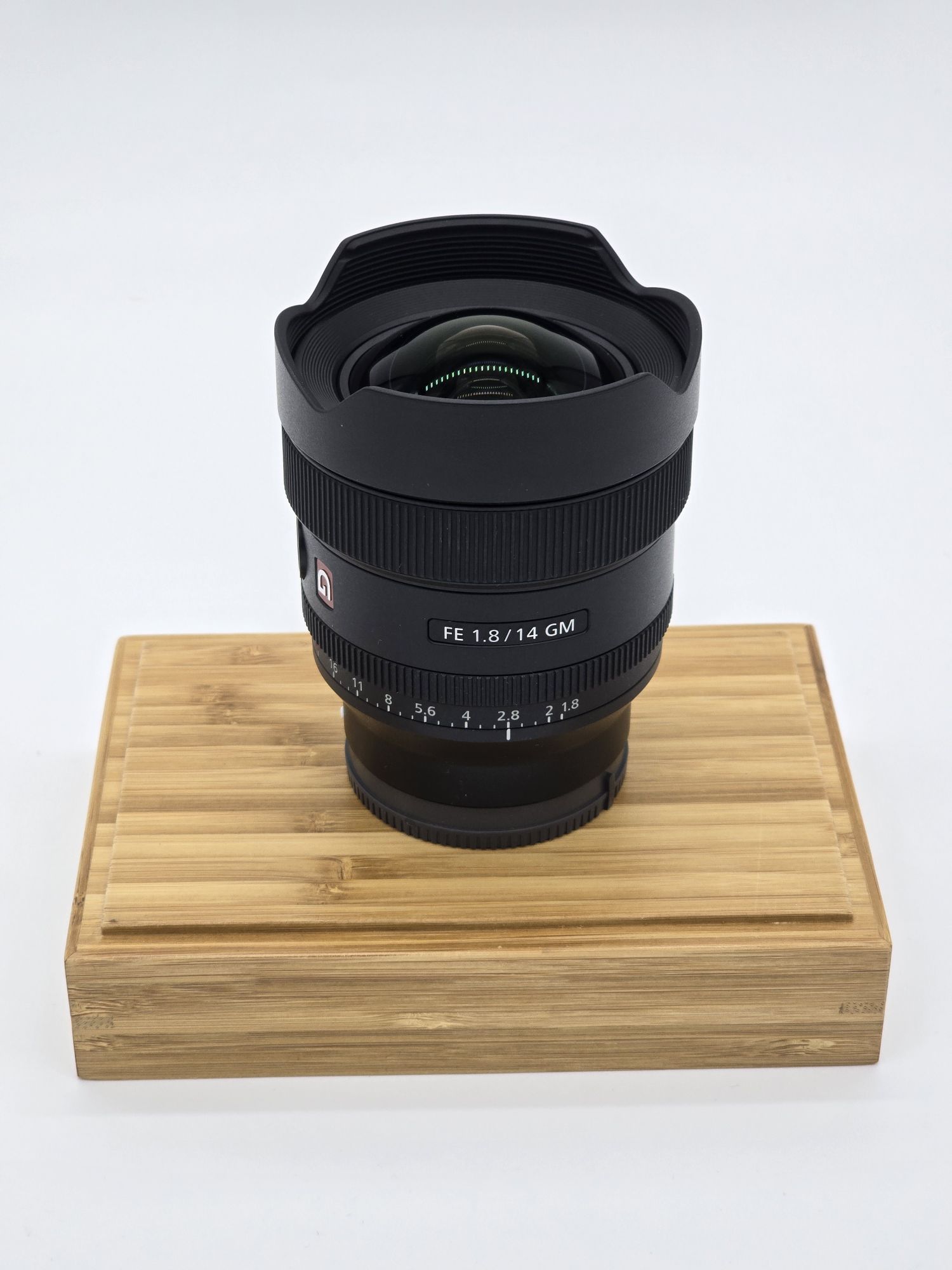
Two millimetres make a visible difference at such a wide focal length. The diagonal angle of view is about 114° at 14 mm and roughly 106° at 16 mm. The Sony therefore takes in more sky or space, which you appreciate with the Milky Way high up, in narrow interiors, or at buildings you cannot step back from.
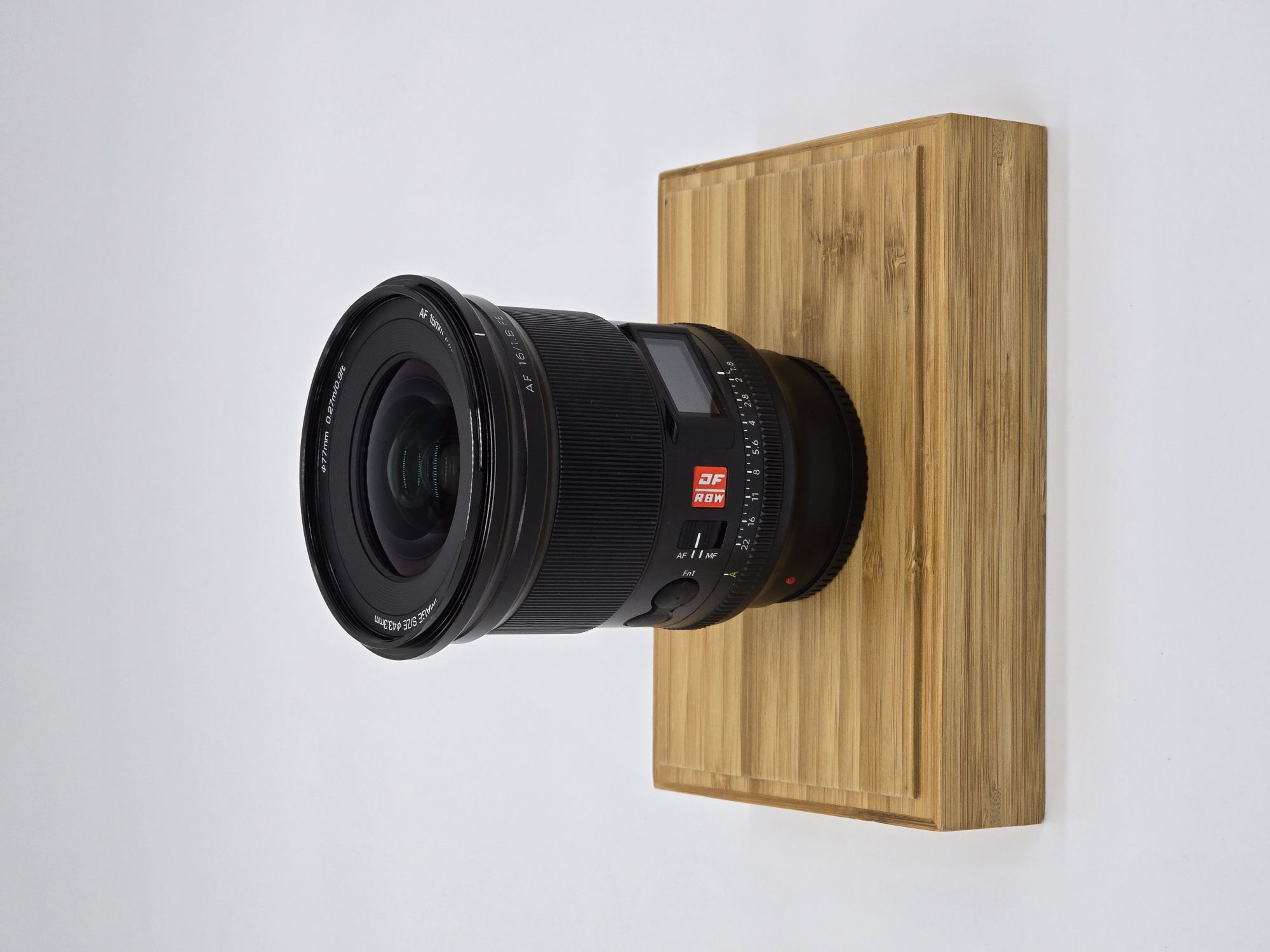
The Viltrox 16 mm is still very wide and enough for most landscapes. But if you often shoot night-sky panoramas or need to squeeze as much as possible into the frame, 14 mm gives more reserve. On the other hand 16 mm is a "calmer" focal length: it distorts the edges less and is easier to compose with.
Sharpness, coma and corners
With wide angles the corners at the open aperture matter most. The Sony 14 mm f/1.8 GM is designed to be usable at f/1.8, corners included, which is why it is most often recommended to astrophotographers. With the Viltrox expect the corners at f/1.8 to be somewhat weaker and to improve by f/2.8; actual values depend on the copy, so check them on your own frame.
For the night sky coma is important, the aberration that turns stars in the corners into small "wings". Test it on a frame of stars or street lights in the corners at f/1.8, f/2 and f/2.8. As a rule, the more you stop down, the better the corners, but the more noise you get, because you have to raise ISO or lengthen the exposure.
Focusing and handling
For astrophotography you usually focus manually: turn on live view, magnify a star to the maximum and turn the focus ring until the point is smallest. Setting infinity is not enough, because on many lenses the sharpest position differs from the stop. Both lenses have autofocus, useful for daytime landscape and architecture, but for stars a smoothly turning ring matters more. On a used copy try it through the whole range and check that it has no play.
Build and filters
The Sony FE 14 mm f/1.8 GM weighs around 460 g, is sealed against dust and moisture, and is compact for a fast wide-angle. The front element is strongly bulging with a fixed built-in hood and the lens has no thread for ordinary screw-in filters; count on a special holder or work without a filter. Unlike the Sony, the Viltrox has a 77 mm filter thread; on a used copy check that the thread is undamaged and a filter sits firmly.
On either lens inspect the bulging front element at pickup: every scratch or greasy fingerprint shows as lost contrast against light and as scattered light around the stars.
Astrophotography: settings that work
As a starting point for the Milky Way use f/1.8 to f/2, ISO 3200 to 6400, manual focus on a bright star, and an exposure from the "500 divided by focal length" rule: around 35 s at 14 mm and 31 s at 16 mm. On high-resolution bodies it is wiser to use 300 or 400 instead of 500 so the stars do not smear into streaks, which means roughly 21 to 28 s at 14 mm. Shoot RAW, switch off long-exposure noise reduction if you do not want to wait, and use a tripod or a firm surface.
Who should choose which
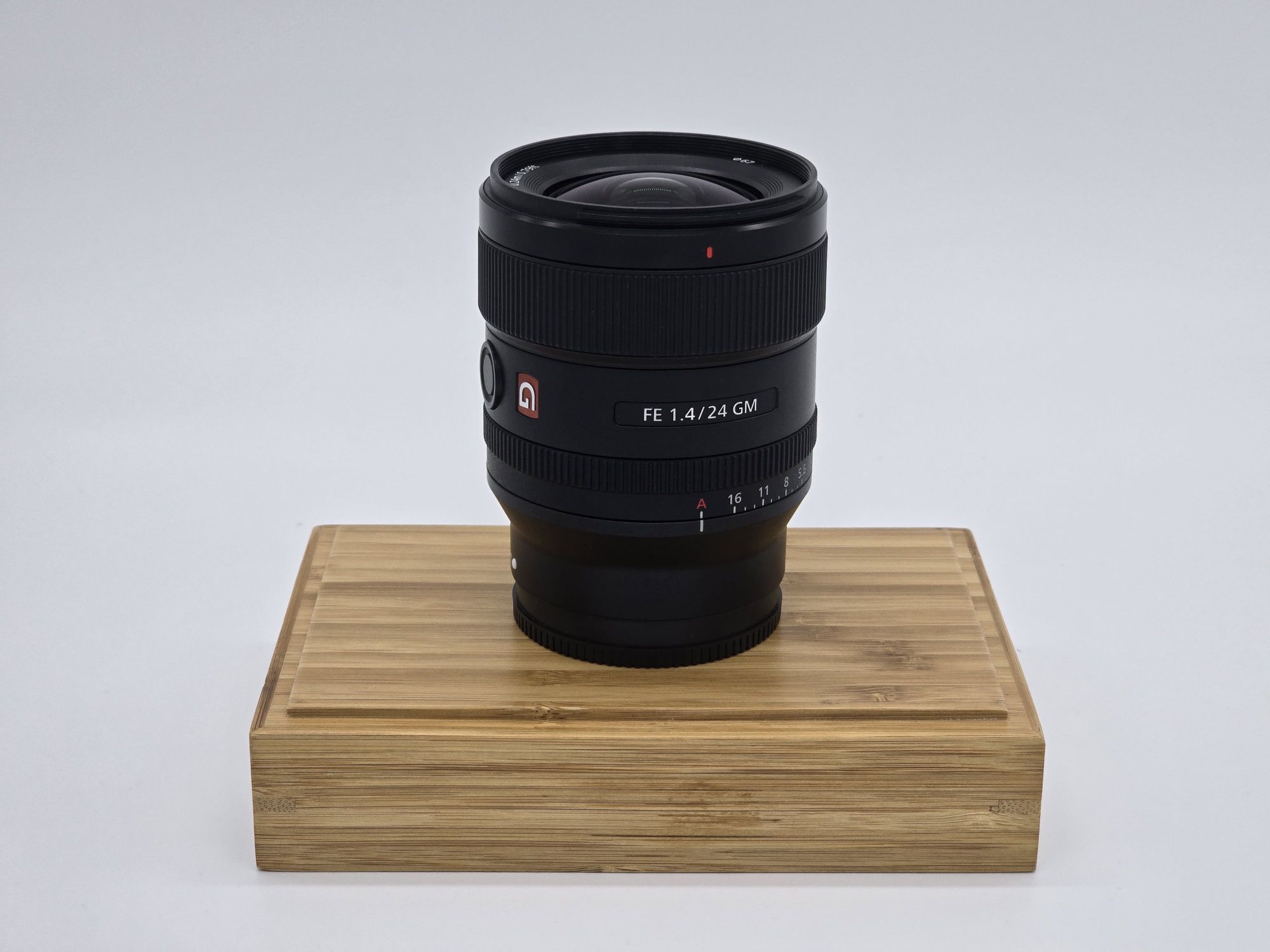
The Sony 14 mm GM is the better choice for those who shoot the night sky regularly, travel with a single wide lens and need sealing. The Viltrox 16 mm makes sense as a sensible, cheaper piece for landscape, architecture and the occasional stars. If you need a zoom instead, look at the Sony FE 16–35 mm f/2.8 GM. Among the fast primes, the Sony FE 24 mm f/1.4 GM is also worth a look.
What I would do
If I shoot stars and landscapes and want one lens for a long time, I take the Sony 14 mm GM. If 16 mm is enough and I watch the budget, I test the Viltrox on my own night-sky frame before buying and pay special attention to the corners. What I have on offer right now appears in the cards below; the full range is in the e-shop.