Buying advice
Video set: a body worth investing in
For video, the body decides: autofocus, stabilization, 4K crop and recording format. What to look at, where people overspend and how to build a sensible used set.
With video it often happens that we compensate for a weaker body with more expensive glass. That is usually pointless, because video depends on different parameters than photography. A photo captures a moment and detail; video needs smoothness, stability and reliability during long shooting. So it pays to invest in the body first and in lenses only afterwards. This article shows what to look for in a body, where typical mistakes happen and which used models make sense.
What to look for in a body
- Autofocus: it is not about whether the body has eye detection, but how reliably it tracks a face in motion and in weaker light. In video every hunt is visible, while in a photo you can fix it with another shot.
- In-body stabilization (IBIS): for handheld video it is almost indispensable. Lens stabilization helps, but on a body without IBIS the shot will always be restless when you walk. For more demanding movement electronic stabilization also helps, though it crops the frame.
- 4K crop: some bodies crop the image in certain modes so much that a wide lens suddenly behaves like a normal or mild telephoto. Before buying, read the manual to see in which mode and frame rate the frame is cropped. The Sony A7 IV, for example, crops at 4K 60p.
- Recording format: for colour grading look for 10-bit recording and a log profile (S-Log, N-Log, C-Log). 8-bit video falls apart sooner in post-production.
- Overheating and recording limits: the longest 4K clip a body records at room temperature differs from model to model. Read user experiences before buying.
Choosing a specific body
Every body is a compromise; here are several used options from different classes:
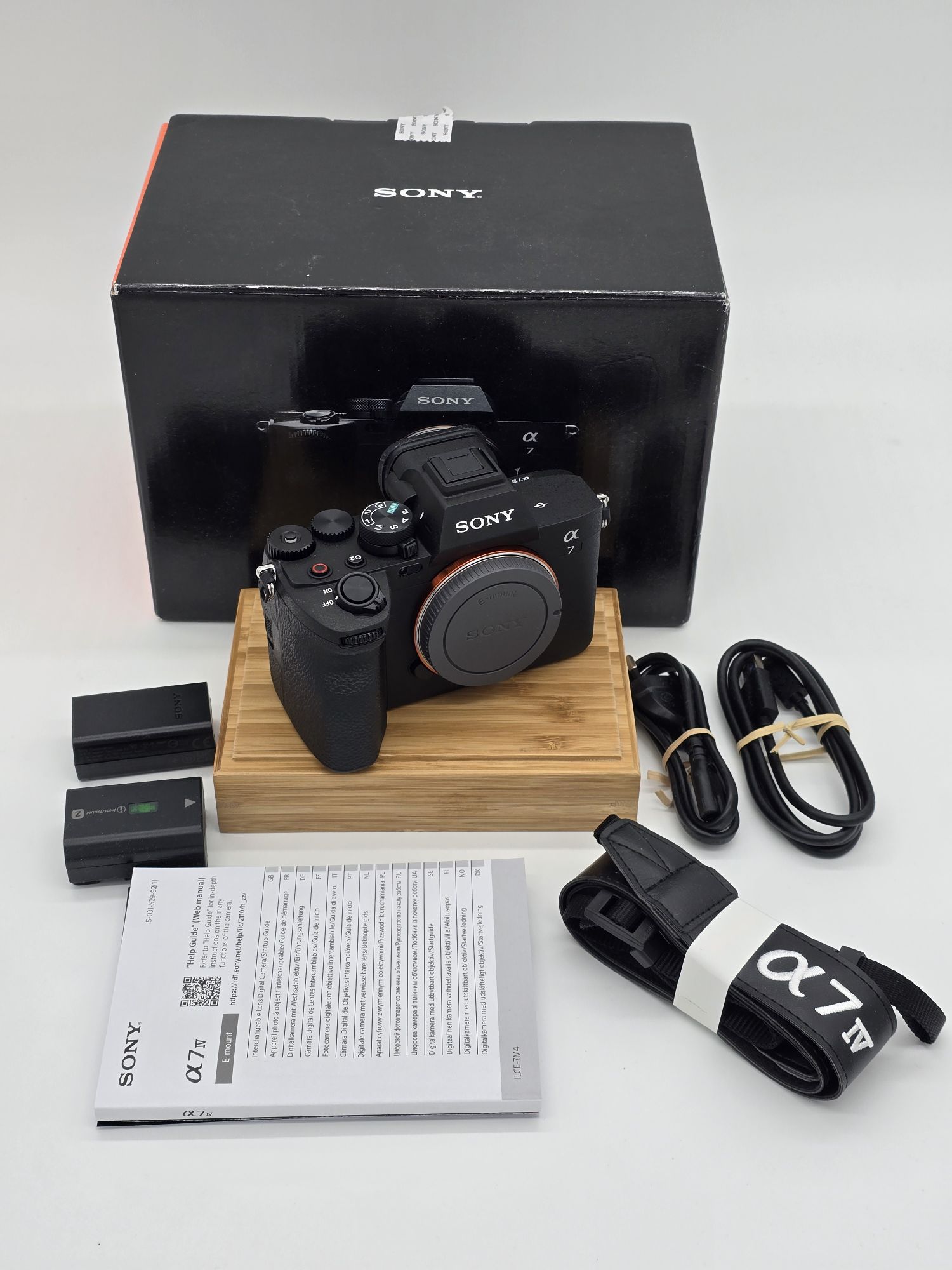
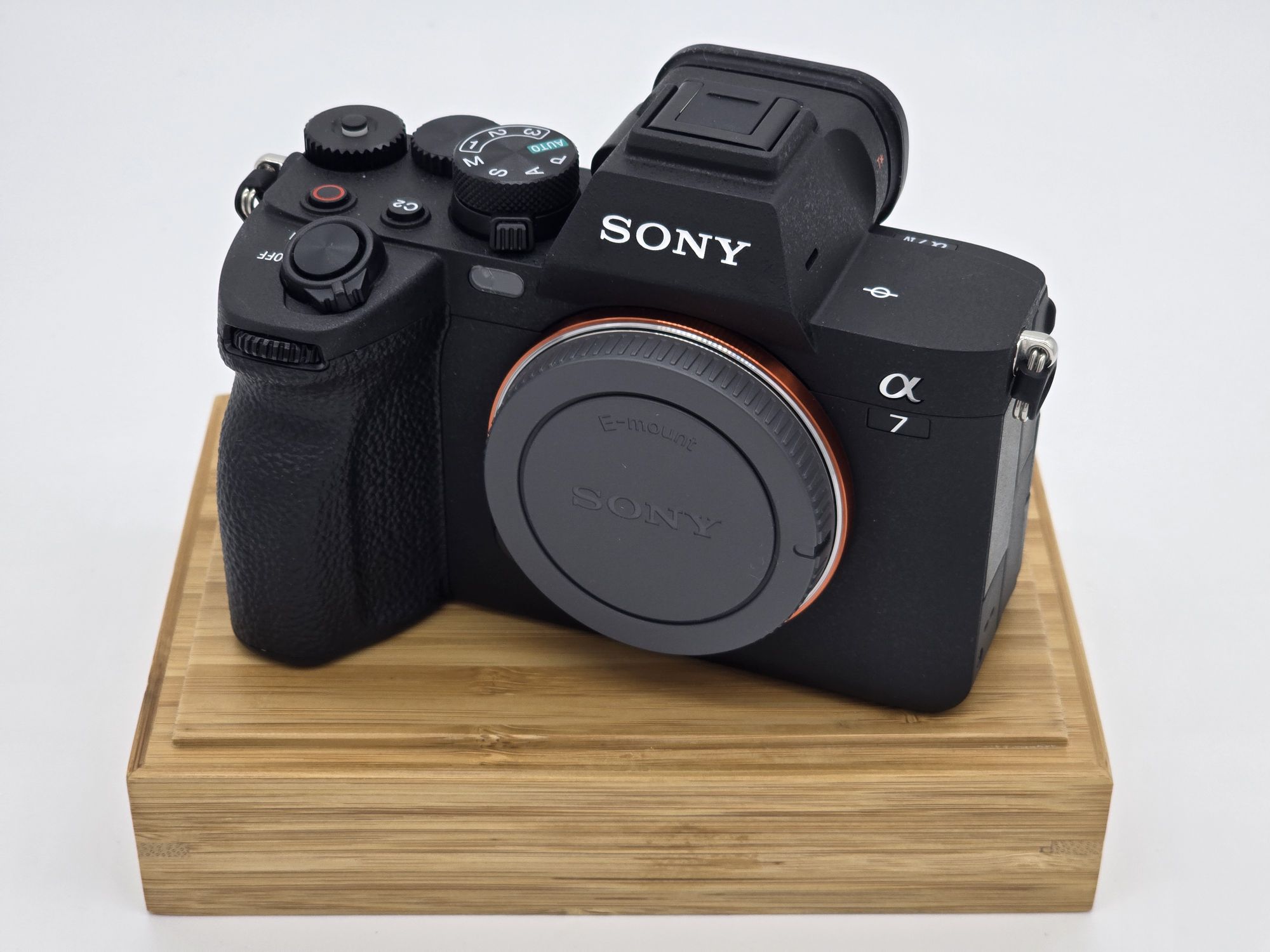
- Sony A7 IV is a versatile, balanced body with 33 MP, 10-bit 4:2:2 recording, S-Log3 and five-axis in-body stabilization. It handles both photos and longer interview shooting, but crops at 4K 60p. A comparison with Canon is in the article Canon R6 Mark II vs Sony A7 IV.
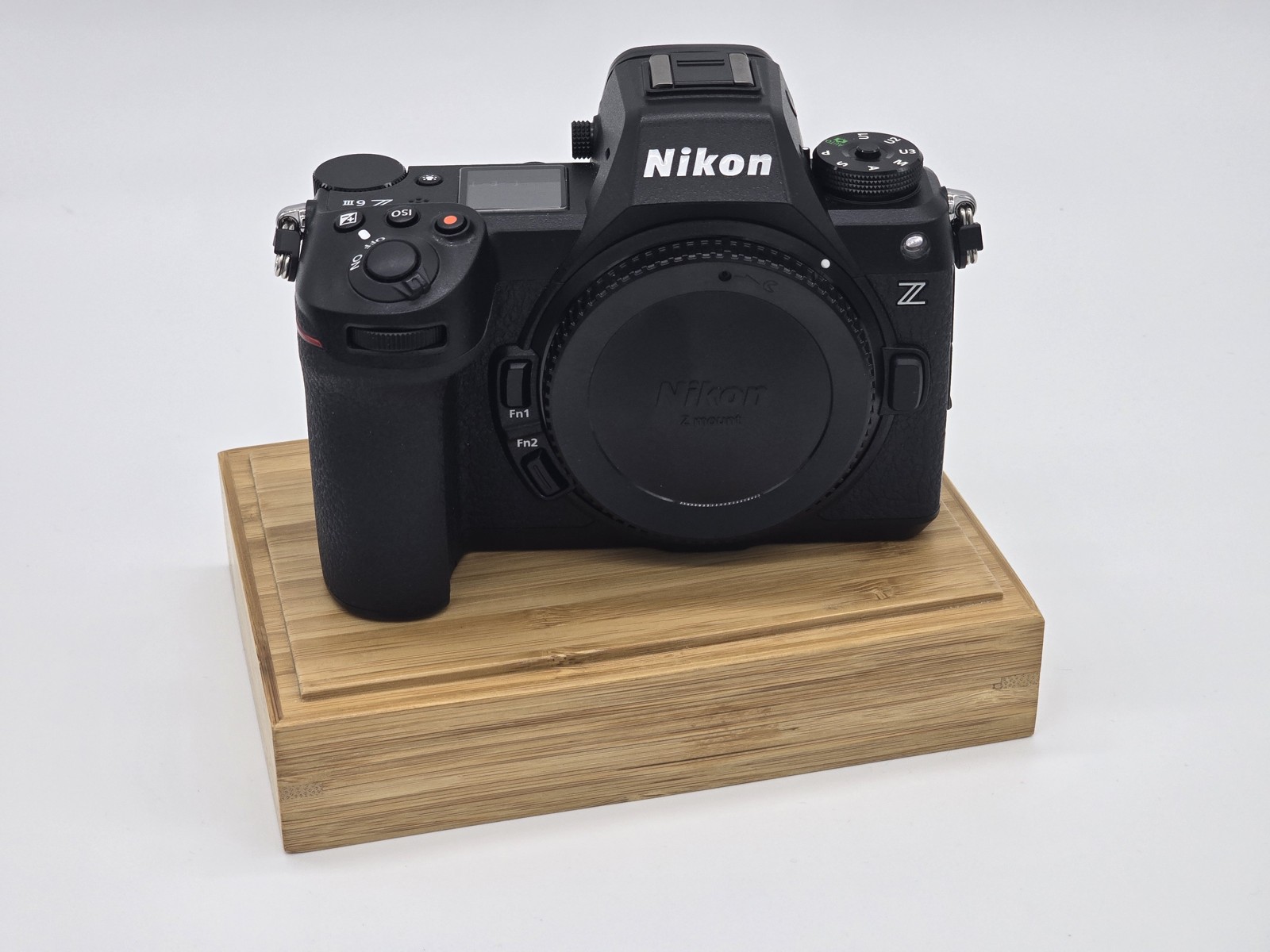
- Nikon Z6 III is a newer body with strong video features, including internal RAW recording and in-body stabilization. Used, it is a noticeably more expensive choice, but in video features it beats the older generation; see Nikon Z6 III used.
- Canon EOS R8 is a light, inexpensive body with 4K 60p oversampled from a higher resolution, but without in-body stabilization. It suits a tripod, a gimbal or a lens with its own stabilization; details in the R8 review.
- Sony A7C is a compact body with stabilization, suitable for vlogging and travel, but with more limited video features than the A7 IV; a comparison with the newer model is in the article A7C vs A7C II.
If you shoot mostly interviews and plan to work in poorer light, a specialised body such as the Sony A7S III, with 12 MP and excellent high-ISO behaviour, is also worth considering. For vlogs and short videos, though, a body from the previous category is more than enough; tips are in the article on YouTube, reels and vlogging.
Lens, card and accessories
A good lens helps, but only in second place. For video, quiet and smooth autofocus, minimal focus breathing and reasonable speed matter. Fast zooms around 24–70 mm f/2.8 or primes of 24, 35 and 50 mm cover most situations.
Another often underestimated thing is the card. Higher bitrates, such as 10-bit 4K at 60p, need fast cards rated V60 or V90, sometimes CFexpress. You will find the exact requirements in the body manual. Cards and batteries are covered in more detail in the article on memory cards and accessories. For longer shooting, external power, a cage or a handle for steadier holding also help.
Common beginner mistakes
- Expensive lens and cheap body: the body controls autofocus and stabilization, so the best glass will not fix poor focusing.
- Ignoring the crop factor: at 4K 60p the wider frame you planned may disappear.
- No log profile, no colour headroom: without a log profile and 10-bit recording it is hard to grade colours.
- Old batteries and slow cards: with used gear, test everything before shooting, ideally for the full length of the clip you want to record.
What I would do
For most people who shoot video and photos together, I would choose a body with in-body stabilization, 10-bit recording and working autofocus, which means the Sony A7 IV or similar. If you do not need IBIS and shoot from a tripod, the Canon R8 offers very good image quality for less money. Only then would I think about glass and accessories. With a used copy, ask about the shutter count (it says nothing about recording time) and above all about the condition of the connectors, seals and display.
What I currently have on offer you will see in the cards, or tell me what you shoot (interviews, reels, events) and we will fine-tune the lens and card through the shop.