Buying advice
Switching from a DSLR to mirrorless: when and to what
When switching from a DSLR makes sense, how to use old lenses via an adapter, what to check on a used body and how to set it up after the switch.
Switching from a DSLR to a mirrorless camera is not a fad but a real change in how you shoot: the autofocus sees the whole frame, the viewfinder shows the result before you press the shutter and stabilisation is usually in the body. At the same time it is not a step everyone has to take. This article explains when it pays off, what to watch for on a used body and how to set up a mirrorless camera so it does not disappoint you in the first week.
When the switch makes sense
I recommend the change if you keep running into one of these limits:
- Autofocus on moving subjects. DSLRs focus with a separate module with a limited number of points that cover only the centre of the frame. On a mirrorless camera the sensor does the focusing, and eye AF works for people and animals in motion.
- Focus accuracy. Do your lenses drift (front and back focus)? A mirrorless camera focuses directly on the sensor, so micro-adjustment is not needed.
- Video. If you shoot more than the occasional clip, DSLRs are much weaker.
- Low light and slow shutter speeds. In-body stabilisation (IBIS) lets you handhold longer exposures than a DSLR with an unstabilised lens.
On the other hand, if you are happy and nothing holds you back, there is no hurry. A DSLR has an optical viewfinder with no lag, the battery often lasts over a thousand shots and used lenses are cheap. Noise in the dark depends mainly on the generation and size of the sensor, not on whether there is a mirror in the body.
Old lenses through an adapter
Most DSLR lenses can be used through an adapter, so the switch does not have to mean new glass worth tens of thousands.
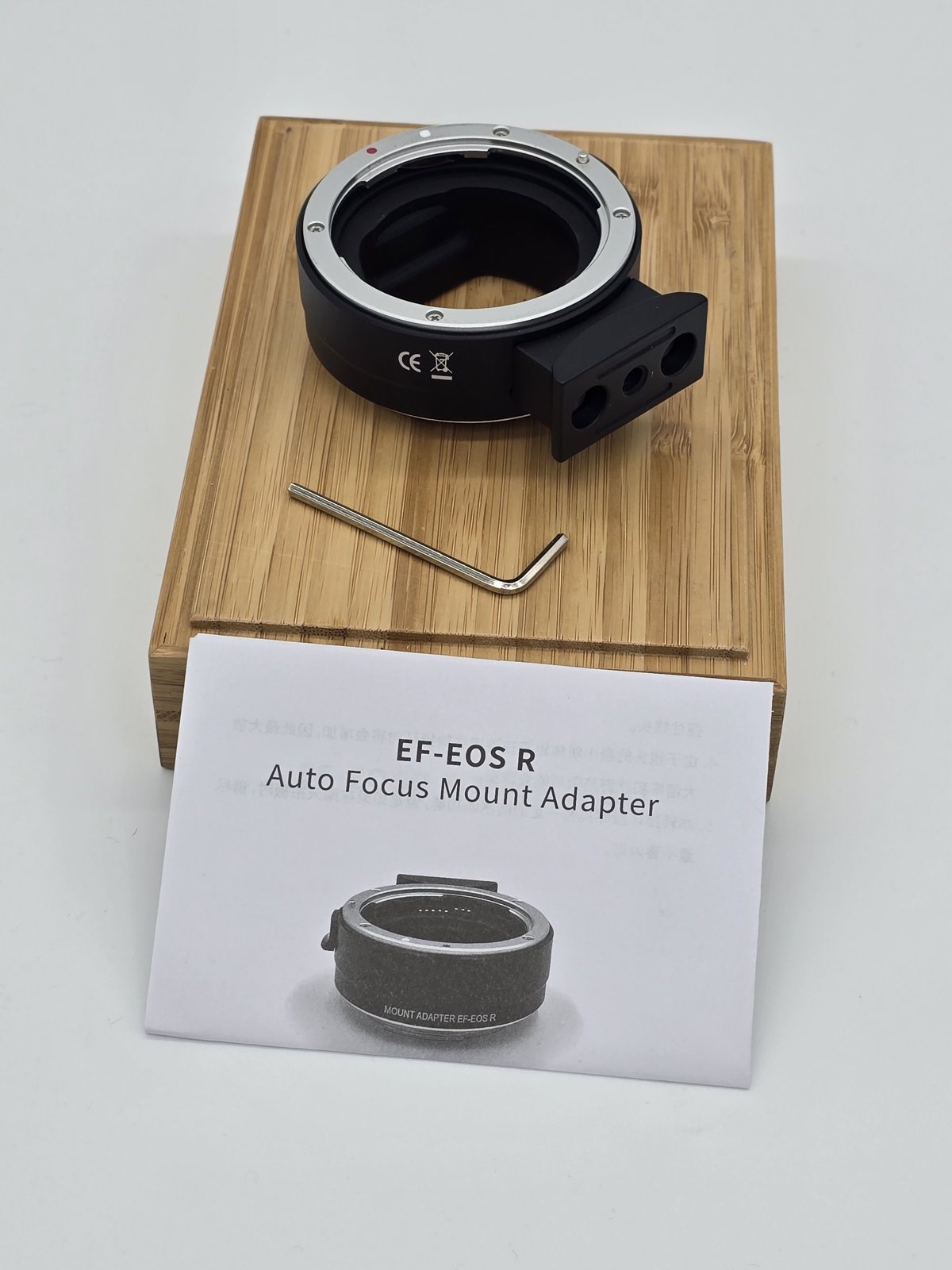
- Canon EF on EOS R. The adapter keeps full autofocus and in-lens stabilisation, so this is the smoothest transition. An adapter with AF and a tripod foot is also among the cards below the article.
- Nikon F on Z. The FTZ adapter works with AF-S lenses that have a motor in the lens. Older lenses without a motor work with manual focus only.
- Nikon F on Sony E. With a simple adapter you focus manually.
With an adapter autofocus is often a little slower and the whole setup bigger and heavier. In the long run it is better to buy native lenses, but an adapter is a good way to spread the switch over several stages.
What to choose
The basic logic: stay with your brand if you have good lenses. Canon goes to the R series, Nikon to the Z series. If you come from another brand or start with a clean slate, Sony E and Canon R are the most widespread.
Bodies that are easy to find on the used market:
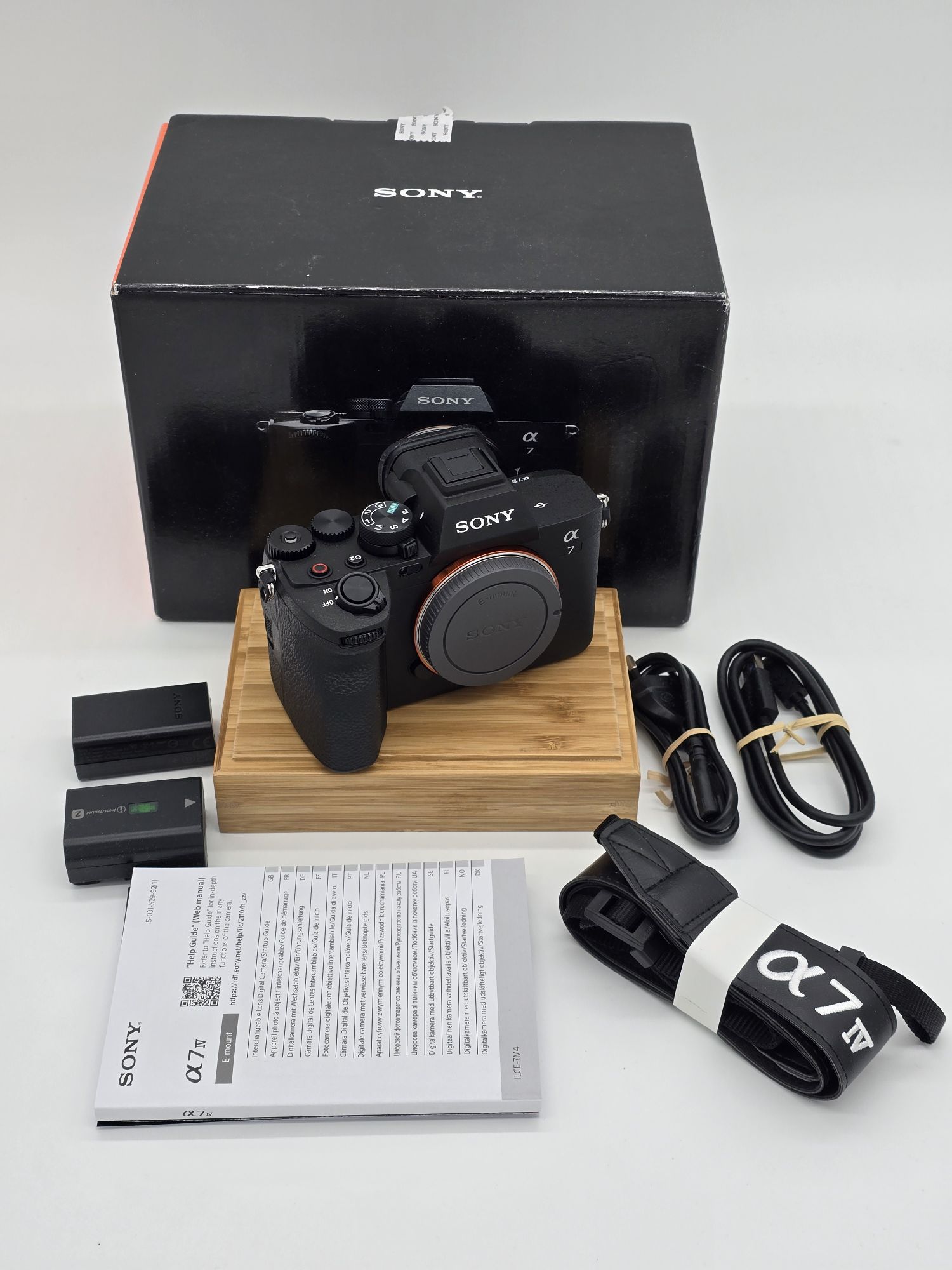
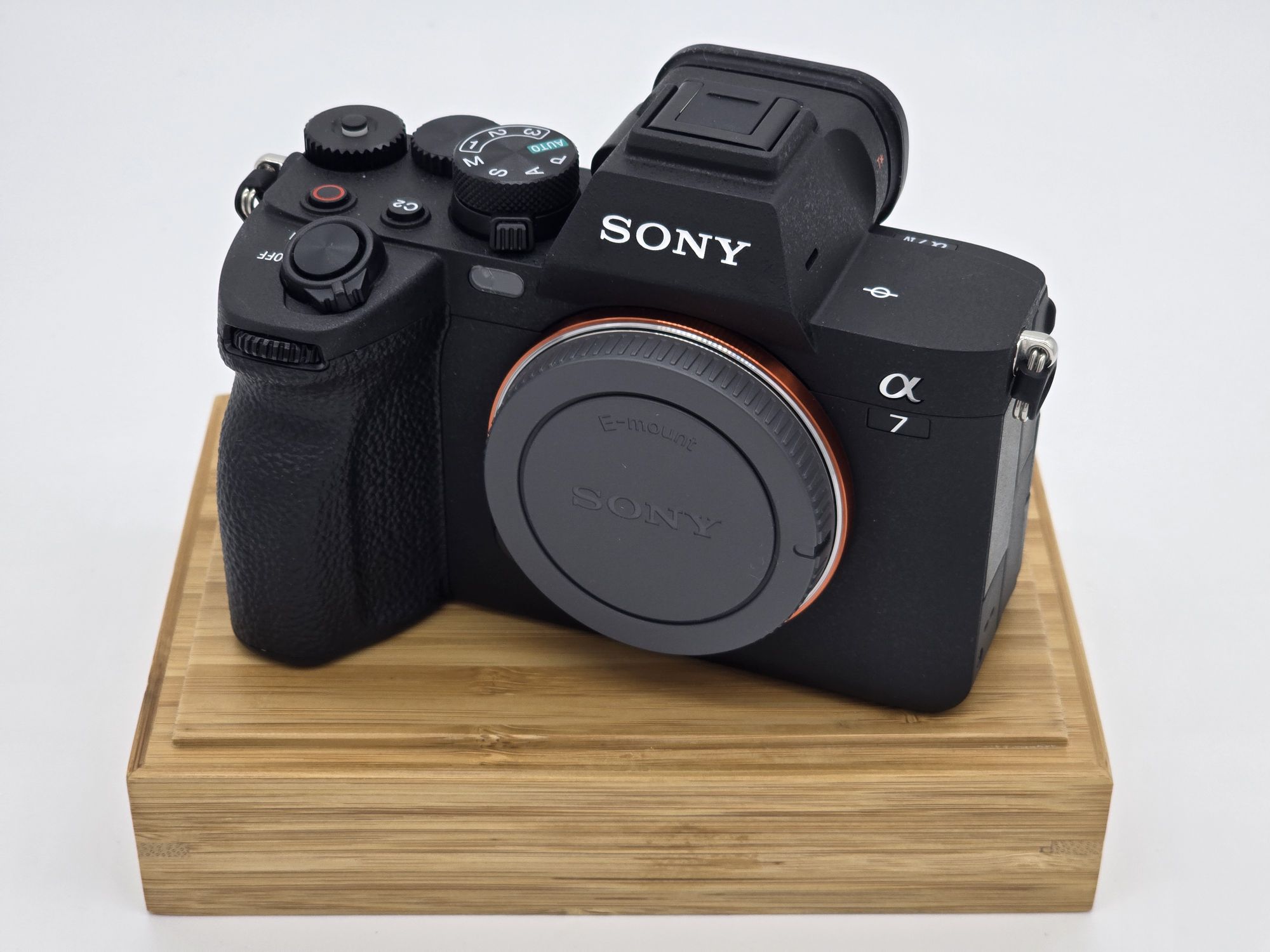
- Sony A7 IV – 33 MP, in-body stabilisation, a fully articulating display and good video. A replacement for a quality DSLR with no compromises; a comparison is in Sony A7III vs. A7IV.
- Canon EOS R6 Mark II – 24 MP, fast autofocus and in-body stabilisation; the comparison with Sony is in R6 Mark II vs. A7 IV.
- Canon EOS R7 – APS-C with 32.5 MP and stabilisation, a light body for travel and sport. A natural step for owners of Canon APS-C DSLRs.
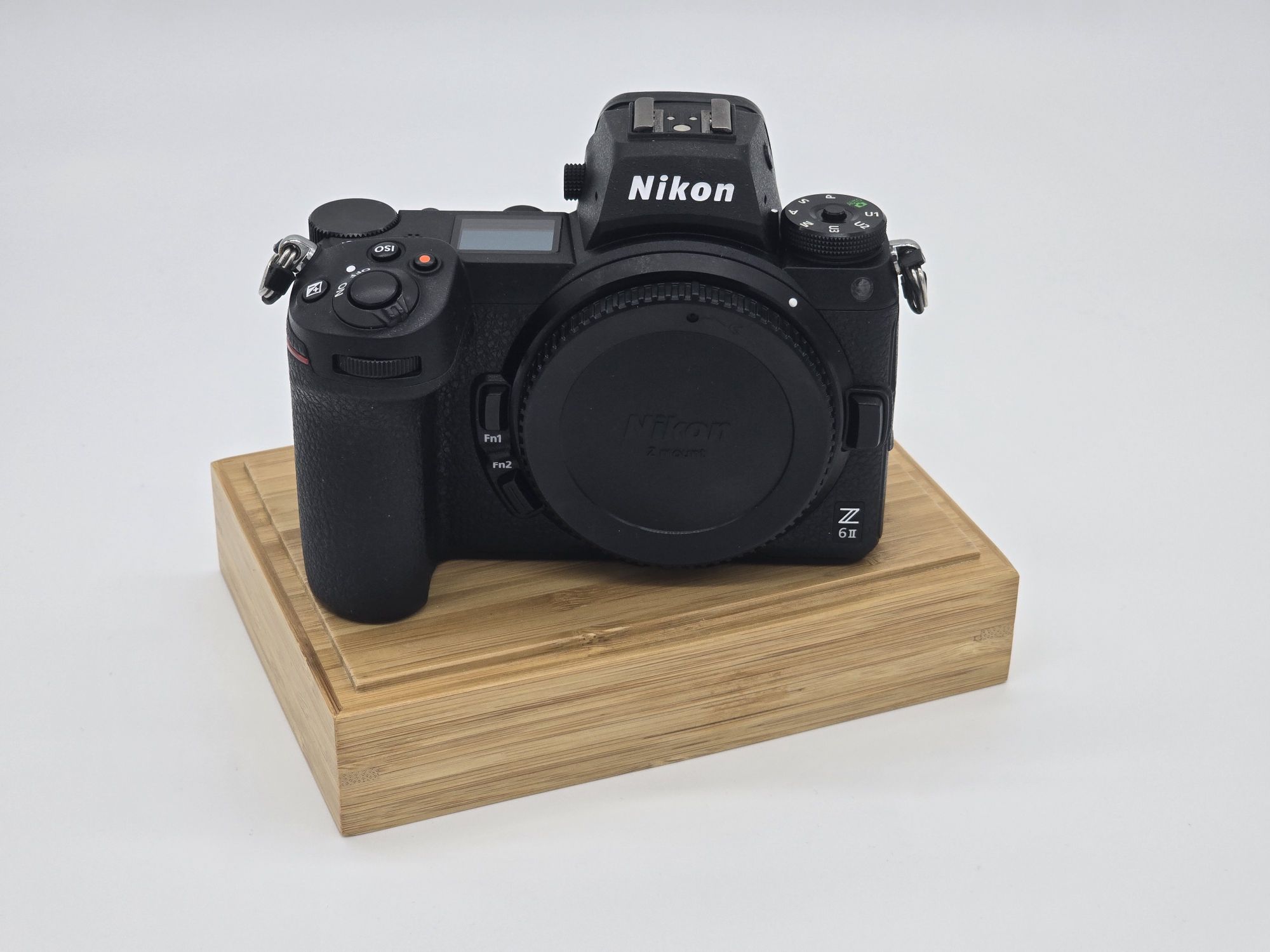
- Nikon Z6 II – 24.5 MP, stabilisation, two card slots. A comparison is in Nikon Z6 II vs. Sony A7 III.
What to check on a used mirrorless camera
The basic procedure is in How to check a used camera before buying. On mirrorless cameras also check:
- The sensor. With no mirror the sensor is exposed when the lens is off, so dust is more common. Look at a test shot of a bright surface at f/11.
- Stabilisation. With the body switched off a sensor with IBIS may rattle slightly; that is normal. Buzzing, drumming or a jerky image in the viewfinder with stabilisation switched on is not.
- The viewfinder. Look for scratches on the lens, dead pixels and colour patches, ideally on a white and a grey surface.
- The battery. A mirrorless camera drains it faster than a DSLR. Ask about the battery condition and whether an original charger is included.
Settings after the switch
Most of the disappointment in the first week comes from factory settings. What to set first:
- AF-C autofocus with tracking and eye detection. For static landscapes a single point or a small zone is enough.
- Exposure preview in the viewfinder. This is the biggest advantage, use it. With studio flash, though, switch it off, otherwise the viewfinder is dark.
- Electronic shutter. It is silent and fast, but banding can appear under artificial light and fast movement gets distorted. You usually cannot use it with flash. Turn on anti-flicker if the body offers it.
- Battery. Get at least one spare. On trips, charging via USB-C from a power bank helps if the body supports it.
- Adapted lenses. If the body cannot read the focal length itself, enter it manually so that stabilisation works correctly.
Typical mistakes when switching
- A body without a thought for lenses. Find out in advance which lenses exist for the system and what they cost.
- Electronic shutter for everything. For sport under hall lighting, banding in the frame will surprise you.
- One battery for the whole day. You end up with a dead camera in the afternoon.
- Selling the DSLR kit in advance. Wait until you have shot with the new system for at least a month.
What I would do
I would sell the DSLR and lenses gradually. First I would buy the body, try the adapter with my lenses and only after a month decide which lenses to replace with native ones. What is on offer right now is shown in the cards below, or have a look at the offer. Tell me which brand and lenses you have now and I will suggest the least painful switch.