Buying advice
Body or lens? Where to put your money first
The classic dilemma: buy a new body or better glass? Usually glass first, but not always. When each rule applies and how to check a used copy.
When you choose new equipment, sooner or later you hit the question of whether to invest in the body or in the glass. The short answer is: usually glass first. But the rule has exceptions, and it is good to know them before you spend money in the wrong direction. What decides is what stops you today from taking the photos you want, not what is newer.
Why glass is a long-term investment
A body becomes obsolete faster than a good lens. The mount stays while bodies change: within five years two or three generations appear with better autofocus and stabilization, while the optics stay the same. Quality glass outlives several generations of bodies and has the largest influence on how a picture looks: sharpness, rendering, background blur and behaviour against the light.
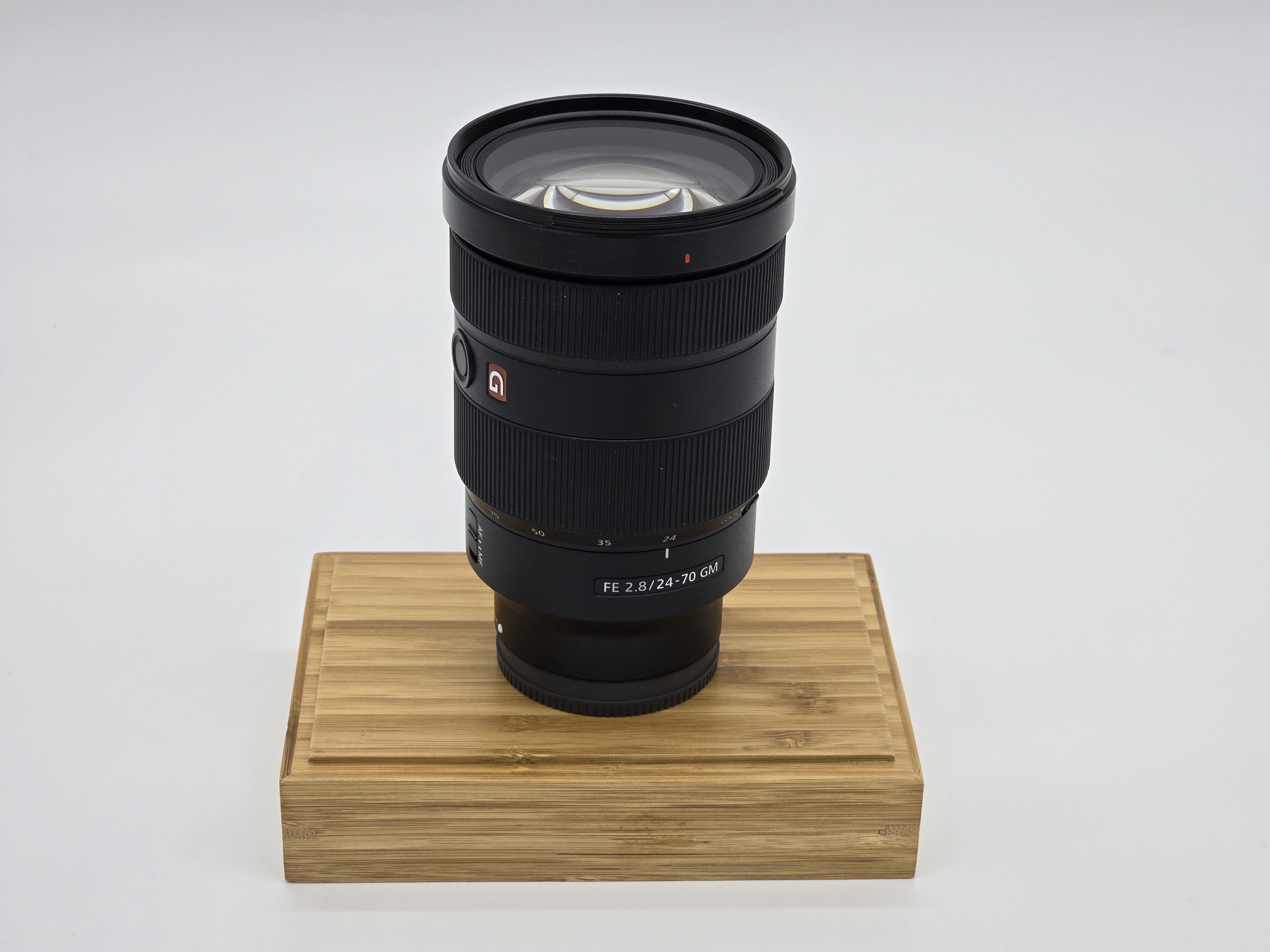
A practical rule: if you have a decent body and an ordinary kit zoom, invest in a fast lens. If you have good glass and an old body without modern features, upgrade the body. It shows well on the used market, where fast glass, such as the Sony 35 mm f/1.4 GM or Sony 24–70 mm f/2.8 GM, holds its value better than bodies. A comparison of prices and differences is in the article on 35 mm f/1.8 vs f/1.4 GM.
When the body comes first
The rule "glass first" does not apply when the body itself blocks the result. Typical cases:
- Autofocus: you shoot sport, children, birds or anything fast and your body cannot keep up. The best lens focuses badly if it is driven by a slow autofocus without subject recognition.
- Video: you need in-body stabilization, 10-bit recording or 4K without a crop. Only the body solves this; more in the article on a video set.
- High ISO: you often shoot at dusk and noise limits you. A newer sensor helps more than a faster lens, but only to a degree.
- A DSLR at the end of its life: if you are moving from a DSLR to mirrorless, buying the body is the logical first step and your existing lenses will keep working on an adapter; more in the article on moving to mirrorless.
How to choose a body
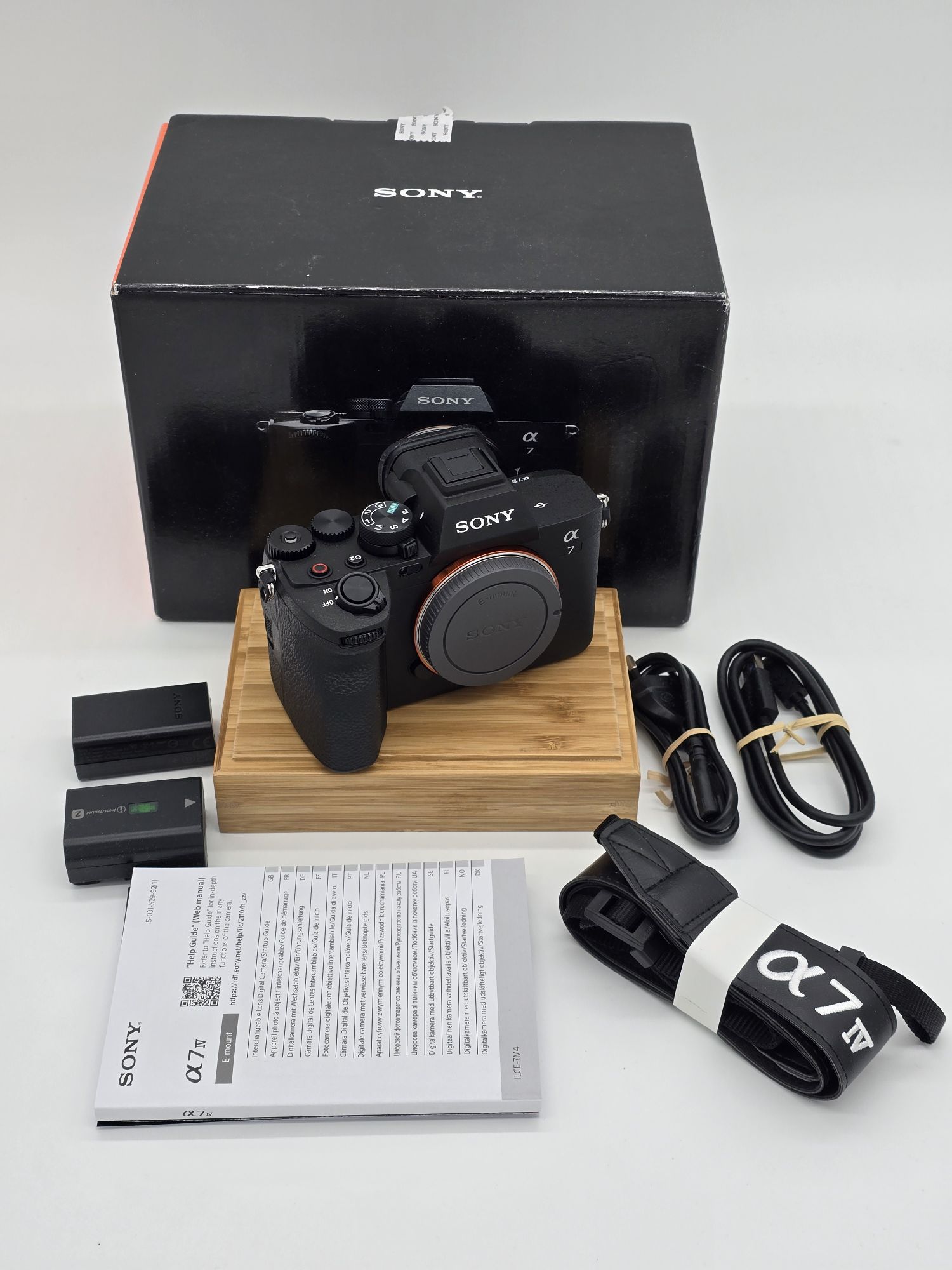
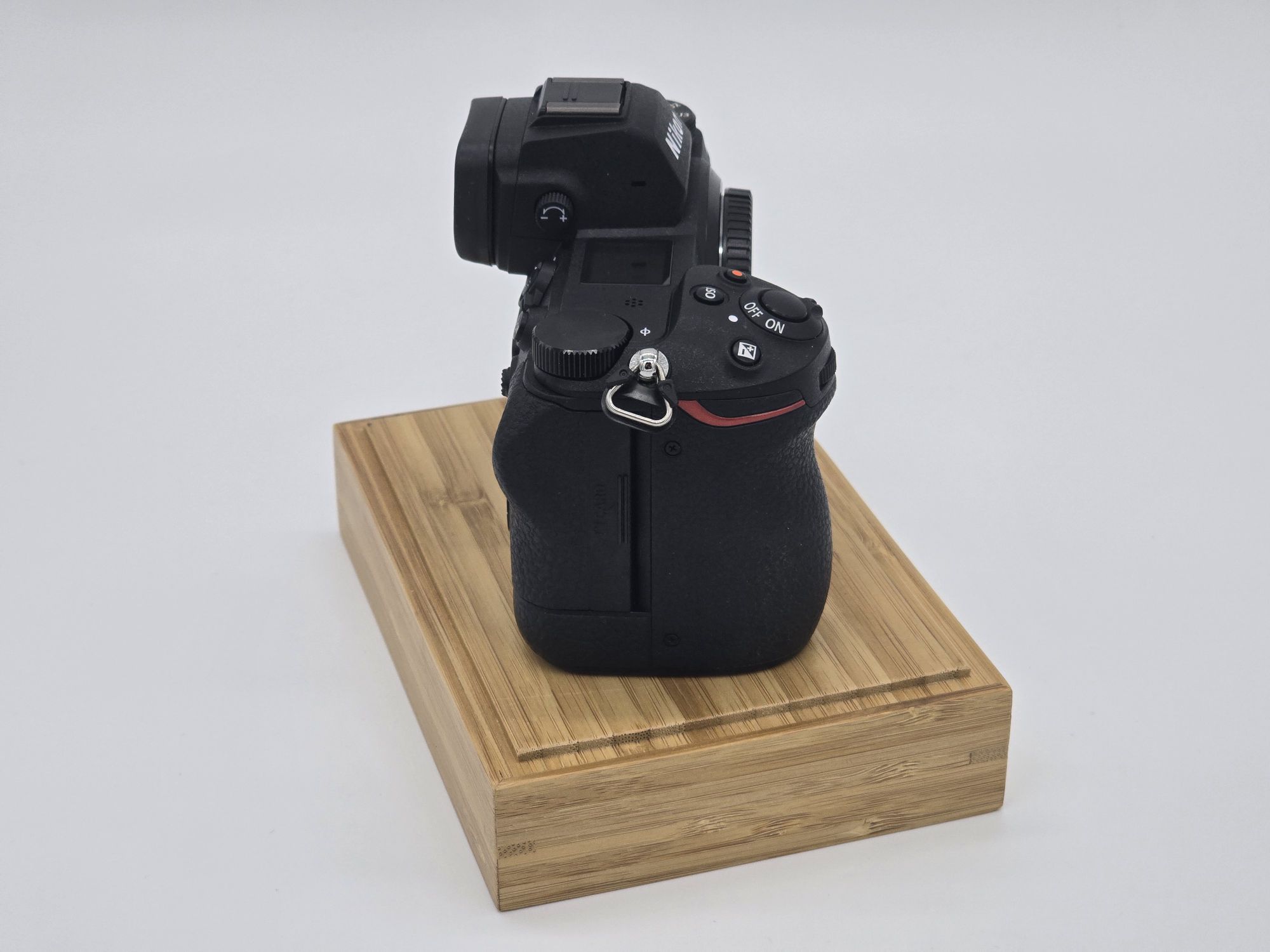
When choosing a body, focus on the features you will really use. The Canon EOS R6 and R6 Mark II, thanks to their robust construction and very good autofocus, are a reliable choice for more demanding work. For beginners and travellers the Sony A7 IV or Nikon Z6 II may suit better. Differences between generations are described in the articles A7 III vs A7 IV and Canon R6 Mark II vs Sony A7 IV.
An older generation is often the better buy once it gets cheaper than the newest model: if you cannot tell the difference while shooting, there is no point paying for it. Used bodies can be found far cheaper than new ones and offer features that mainly higher-end models had a few years ago.
How much on what
As a rule of thumb, not a hard law: if you are starting out, try putting roughly half the budget or more into glass. For the body, a reliable model with working autofocus is enough. For the lens, look at speed and build quality, not the number of features. A 24–70 mm f/2.8 zoom is a good start, a 35 or 50 mm prime is the second step. How to start is in the article on a first full frame.
Checking condition before buying
With used gear it is key to verify function, and differently for a body and a lens:
- Body: shutter wear (shutter count), sensor condition, battery, display and buttons. The procedure is in the article on checking a used camera.
- Lens: focusing across the whole range, clean glass without fungus or haze, play in the mount, smooth rings. See checking a used lens.
With a lens you invest in a certainty that a body cannot offer: well-kept glass loses value more slowly than a body.
What I would do
If I had a single sum today and a decent body, I would buy a fast lens, probably 35 or 85 mm, or a 24–70 mm f/2.8 zoom. If I had a body whose autofocus could not keep up or which limited me in video, I would buy the body first, but used, not new. The difference between two generations of bodies is in practice often smaller than the difference between a kit zoom and fast glass.
What I currently have on offer you will see in the cards, or tell me what you already own and I will say where to add first, through the shop.