Comparison
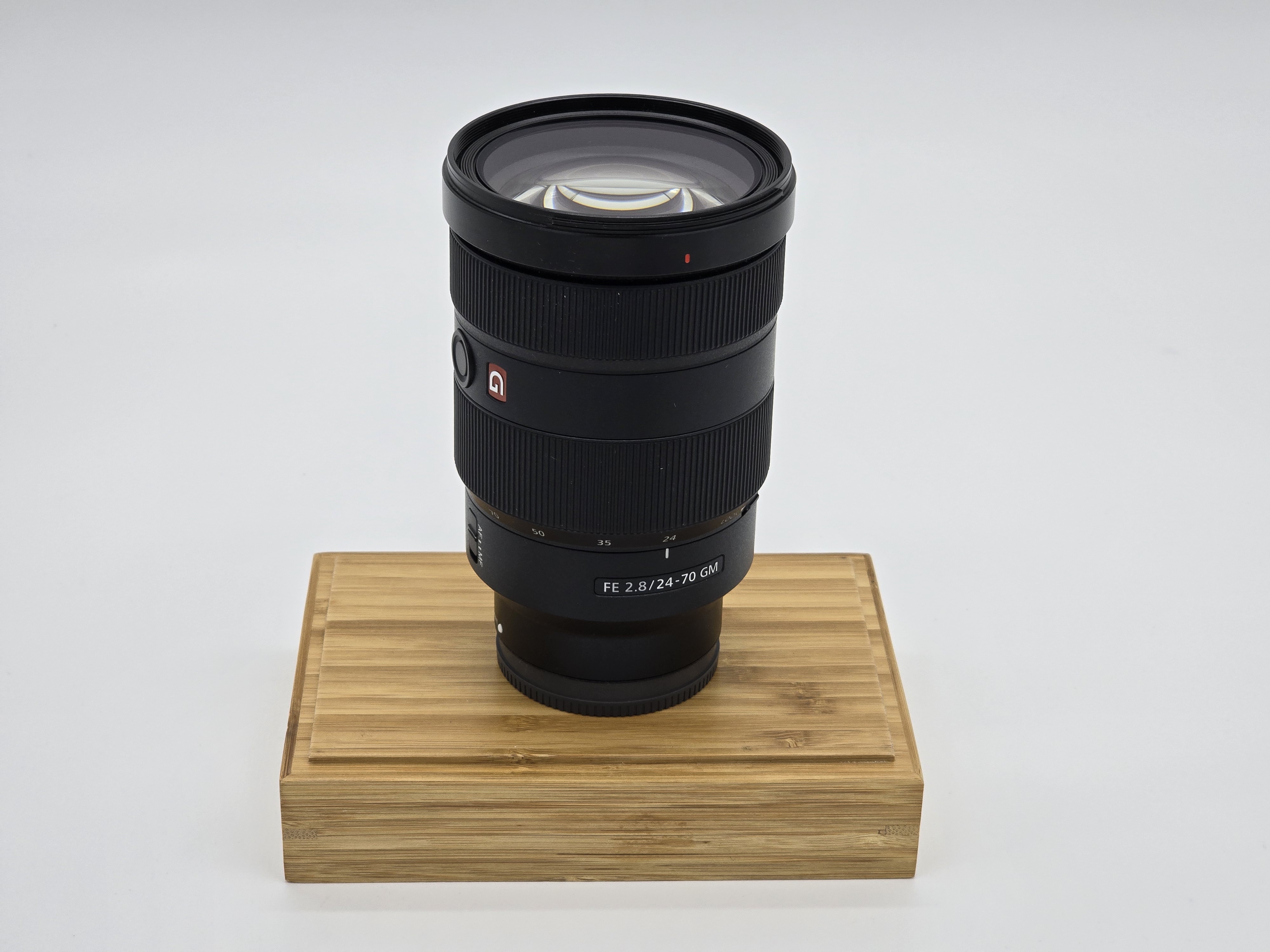
Tamron 28–75 mm G2 vs. Sony 24–70 mm GM: half the price, so what’s the catch?
Tamron 28–75 mm G2 or Sony 24–70 mm GM? Where the real differences lie in focal range, sharpness, autofocus and build – and when the cheaper option is more than enough.
Choosing between the Tamron 28–75 mm f/2.8 G2 and the Sony FE 24–70 mm f/2.8 GM is a classic trade-off between performance and price. Sony offers a top professional standard, while Tamron promises roughly 90% of the same experience for half the price.
Let’s see where the real difference between these two zooms lies.
Focal length: 24 or 28 mm
The biggest psychological hurdle is losing four millimeters at the wide end. The Sony starts at 24 mm, which is considered the gold standard for landscapes and architecture: more context fits into the frame and the image feels more dynamic.
The Tamron starts at 28 mm. That’s also a very versatile focal length; you just have to take a step back now and then. If you shoot cramped interiors or wide landscapes, the Sony will be more comfortable for you.
For portraits and everyday event shooting, the difference between 24 and 28 mm is negligible.
Sharpness and optical performance
This is where a clearer difference starts to emerge. The Sony GM is extremely sharp wide open and holds high contrast right into the corners of the frame. It’s a tool for situations where every pixel matters.
The Tamron G2, however, comes surprisingly close. In the center it’s practically indistinguishable from the Sony, and in the corners you just need to stop down to f/4–f/5.6.
For social media and prints up to A3, the Tamron is perfectly adequate. You’ll mainly see the difference on a large monitor at 100% magnification or in challenging light, where the Sony more often delivers a cleaner result.
Autofocus and handling
The Sony GM focuses very quietly and at lightning speed, which you’ll appreciate for sports, nature and fast-paced portraits. The Tamron G2 uses its own VXD linear motor and is also very fast. In dynamic situations, though, it can occasionally “hesitate” when jumping between foreground and background.
For static portraits, landscapes and product photography, the Tamron’s autofocus is completely reliable and accurate.
Build and ergonomics
The Sony GM is a robust, weather-sealed lens that feels like a tool for everyday professional work. It is, however, heavier and bulkier.
The Tamron G2 is lighter and smaller. It lacks the “premium” heft of the Sony, but it still feels solid and trustworthy. For travel and all-day trips it’s much more pleasant – you’ll feel the weight savings after a few hours of carrying it.
When the Tamron is enough
The Tamron 28–75 mm G2 is ideal for photographers who don’t work in extreme conditions and want great value for money. For most enthusiasts, semi-pros and pros creating content for the web and social media, the Tamron is fully sufficient. You can put the money you save into lights, a tripod or a second lens.
The Sony GM is an investment that pays off if:
- you shoot weddings, where you need speed and reliability at any cost
- you make a living in advertising, where every pixel is critical.
Conclusion
It’s a choice between perfectionism and pragmatism. The Sony GM is a tool that won’t let you down and holds its value well. The Tamron G2 is a smart choice that offers roughly 90% of the performance for half the price.
If you don’t mind a slightly narrower field of view and don’t need top-notch sharpness in extreme conditions, the Tamron will be a great companion.