Comparison
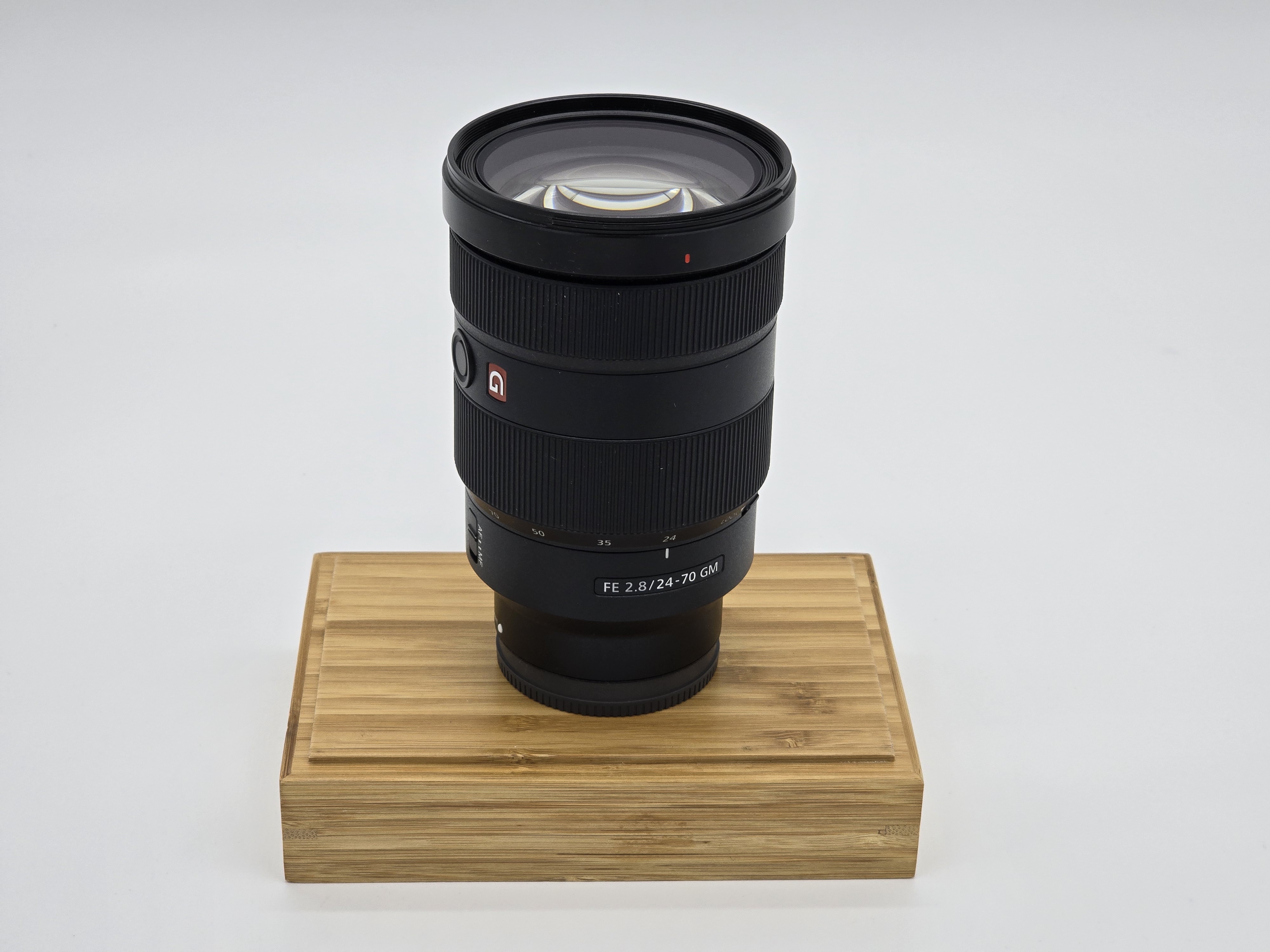
Sony FE 24–70 mm f/2.8 GM II vs. GM I: is it worth paying more on the used market?
I compare the first and second generations of a legendary zoom. When is it worth paying extra for the newer version, and what do you actually gain?
Can’t decide between a proven classic and the new version? The difference between the first and second generations of this zoom isn’t just in the numbers on the box, but also in how the lens handles – and that shows in your final images too.
What changed in the second generation
Version II brought more than a new look – it also brought major technical advances:
- it’s significantly lighter and shorter
- it now has an aperture ring, which the first generation lacked
- it uses a new optical design that improves both rendering and autofocus speed.
The first generation was top of the line in its day, but the second better matches what photographers need today.
Sharpness and optical performance
Both lenses are very good, but the second generation has clear advantages. The first version delivered its best performance only when stopped down to f/4–f/5.6, while the second is sharp wide open at f/2.8.
In practice, with dynamic scenes or portraits with a blurred background, you get clean detail without having to stop down and lose light. The corners are better corrected and distortion is lower, which saves you work in editing.
Weight and ergonomics
This is where the difference is huge. The first generation weighs 886 g, and you feel it during longer shoots. The second weighs just 695 g, almost 200 g less.
You’ll notice it on all-day shoots, on hikes or when covering events. The smaller lens sits better in the hand and is better balanced even on smaller Sony bodies such as the A7C or the A6000 series.
Autofocus
The second generation has faster motors and better focus control. The first version was reliable, but the second is faster and more accurate, especially when tracking eyes and faces in motion.
You’ll appreciate this with sports, animals and action scenes, where every millisecond counts. In practice, it means fewer out-of-focus shots.
Price difference on the used market
On the used market, prices of the two generations differ significantly – the second is noticeably more expensive. The first generation is still a fully capable tool, though, if you don’t mind the extra weight and slightly weaker wide-open performance. The second generation is an investment in comfort and the future.
Conclusion
The choice depends on your style and priorities. If you shoot handheld a lot and want maximum sharpness and the lightest build, the second generation is worth it.
If you don’t mind a bit more weight and want to save money and still get a reliable lens with top-notch performance, the first generation is a great choice. Both versions deserve attention on the used market, but for modern performance and comfort, the second generation wins.

Objektiv
Sony FE 24-70mm f/2.8 GM II