
Review
Sony A9 used: a sports camera at a reasonable price
Sony A9 used: 20 frames per second without viewfinder blackout and a silent shutter. What it still does, where newer models passed it and what to check when buying.
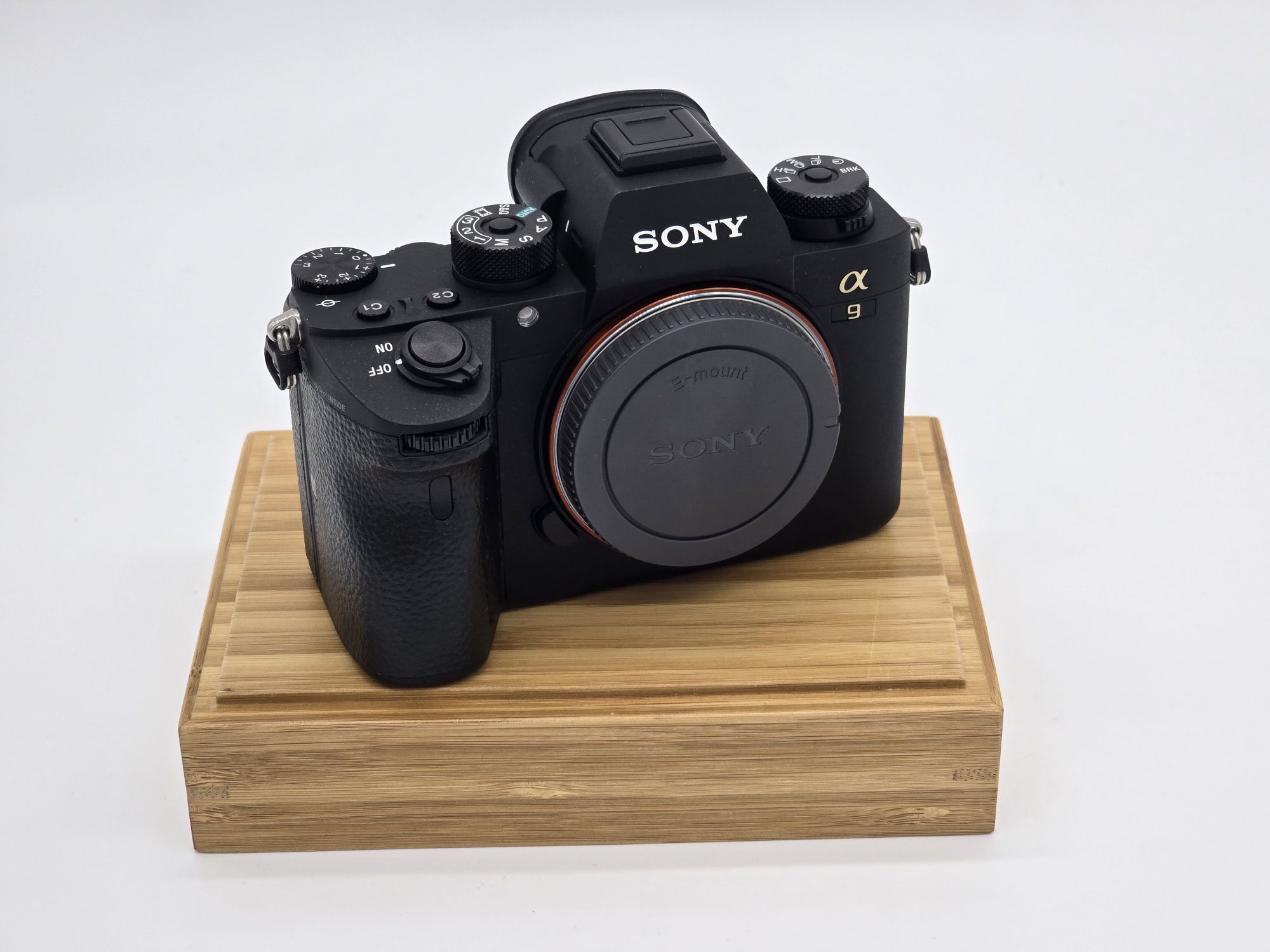
The Sony A9 arrived in 2017 as the first full-frame mirrorless camera with a stacked sensor, and since then it has been a byword for sports and reportage photography. Today it is an interesting used route to a fast body, but older technology has its limits. I will go through what the A9 still does very well, where newer models have overtaken it and what to check before buying.
Why the A9 still makes sense
The core is a 24 MP stacked sensor that reads out very fast. That lets it shoot silently with the electronic shutter, and during a burst the viewfinder does not black out: you see a smooth feed of the scene, not alternating frames. In sports it is a difference you notice the first time you use it.
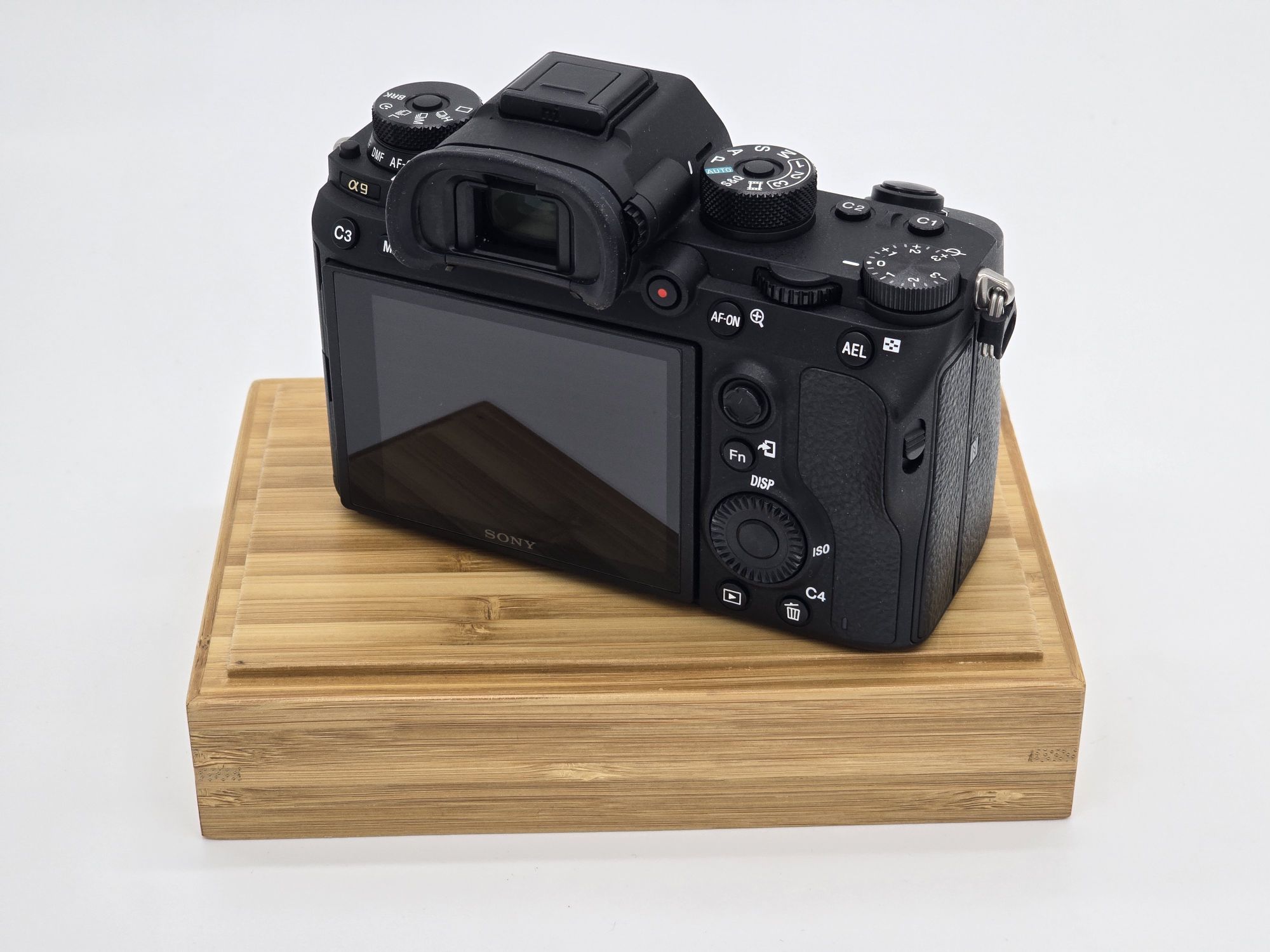
Other advantages that have not changed: two SD card slots, sensor stabilisation, a 3.69 M-dot electronic viewfinder and an NP-FZ100 battery that lasts considerably longer than on older mirrorless bodies. 24 MP is more than enough for the web, newspapers and ordinary presentations, and the files stay reasonably small.
Burst shooting and autofocus in practice
Up to 20 frames per second with the electronic shutter is a number that holds even while the camera is focusing continuously (AF-C). The autofocus has 693 phase-detection points covering most of the frame, so you can keep the subject off-centre. Tracking and eye autofocus still work well today, but compared with the newest bodies the A9 uses older algorithms: it recognises fewer types of subjects and gets lost more easily in complex scenes.
What I would set for sports:
- Focus mode: AF-C, Zone or Flexible Spot area, tracking on.
- Shutter speeds: 1/1000 s or faster for running players, 1/2000 s or faster for a ball and quick movements, and for panning 1/250–1/500 s instead.
- Aperture and ISO: f/2.8 or f/4 in a hall and auto ISO with an upper limit of about 6400, so the shutter speed stays shorter than 1/1000 s.
- Shutter: silent for theatre, golf and tennis, mechanical for a hall with artificial light.
The last point matters: with the electronic shutter and artificial lighting (LED, discharge lamps) banding can appear in the frame, and flash does not behave the same as with the mechanical shutter. Try it in the hall where you shoot before an important event. More on halls in the guide Sport v hale: rychlost autofokusu i do šera.
Comparison with newer bodies
The A9 II (2019) added better ergonomics, a faster mechanical shutter, better connectivity and other tweaks for journalists. The image is practically the same 24 MP sensor, though, so for shooting itself the difference is smaller than the price would suggest. The A9 III with its global shutter is a different league: a tool for professionals at a matching price, and you will not see many on the used market yet.
If you shoot mostly sports and fast scenes, I recommend buying the A9 used and investing the price difference in a lens. Fast telephoto lenses decide the result more than the body's year of manufacture. Consider for example the Sony 70–200 mm f/2.8 GM or f/4 G, or the 200–600 mm for outdoor sports and nature.
What to look at when buying used
The full procedure is in the article How to check a used camera before you buy. With the A9, pay particular attention to:
- Sensor and shutter: condition depends on how the body was used; look for dust on the sensor and try both the silent and the mechanical shutter.
- Both slots: put a card in each, shoot a burst and check that the frames are saved to both.
- Stabilisation: switch it on with a longer lens and check that it does not rattle and that the image holds smoothly.
- Firmware: update to the latest version. Newer versions improved tracking and subject handling.
- Wear: worn dials, rubbed paint and damaged rubber are a sign of heavy use. That is not a problem in itself, but it should affect the price.
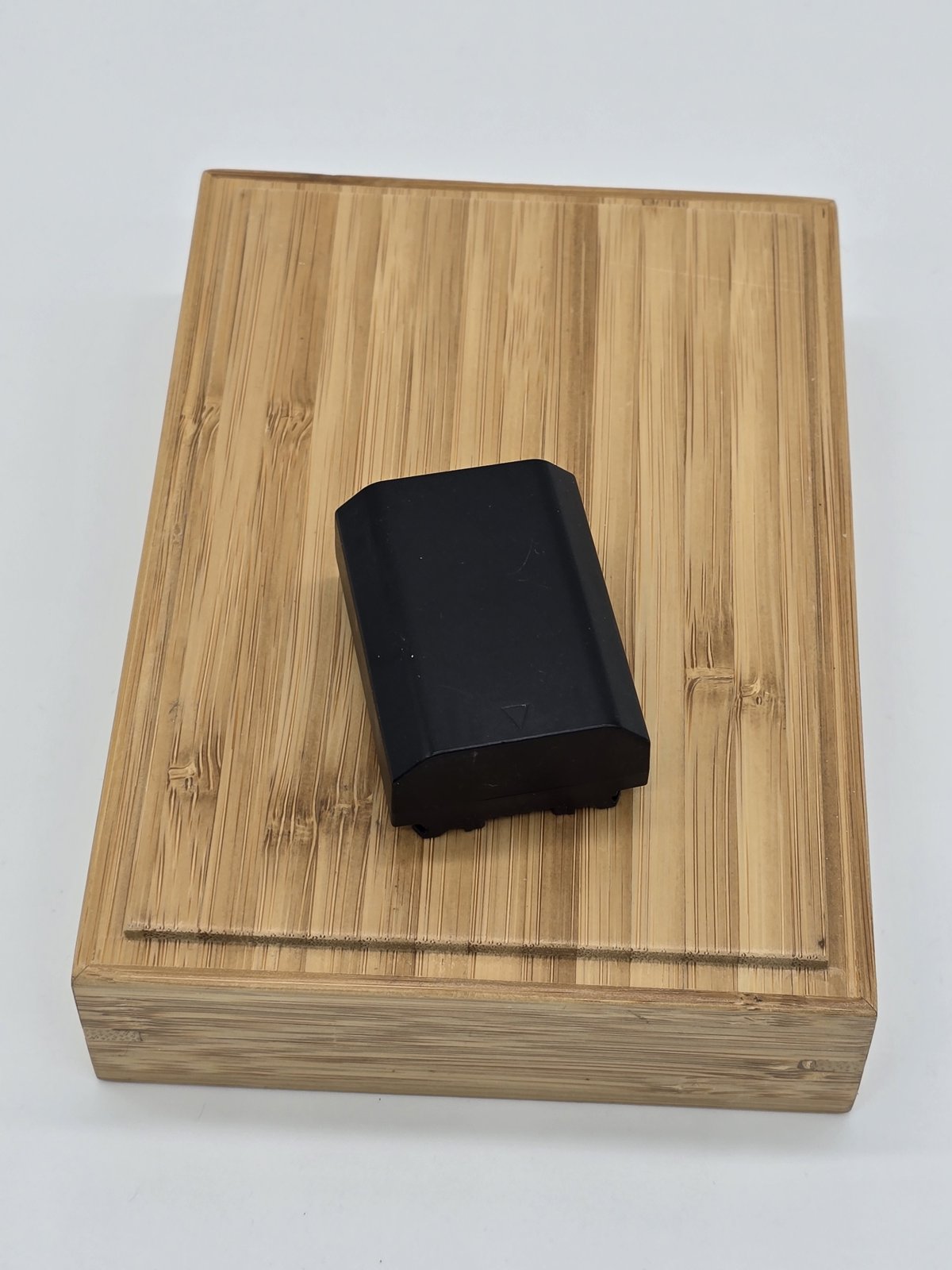
The electronic shutter does not wear mechanically, but on a body that has served thousands of frames, check the mechanical one as well. A spare battery is worth buying with the body; the card below shows a compatible NP-FZ100 and what I currently have on offer.
Weaknesses worth knowing
- Video: the A9 records 4K 30p and its menu is less clear than on newer bodies. If you will shoot more than occasional video, look for another model.
- Screen: you can focus by touch, but you cannot operate the menu by touch.
- Resolution: 24 MP is a limit for large crops or big prints. For that, the A7R IV or V are better.
What I would do
If I shoot sports, theatre, concerts, weddings or kids and need a quiet fast burst, I take the A9 used and add a fast zoom. If I need more advanced video or the latest subject recognition, I skip it and look for a newer body. Browse the current offer in the shop.