Comparison
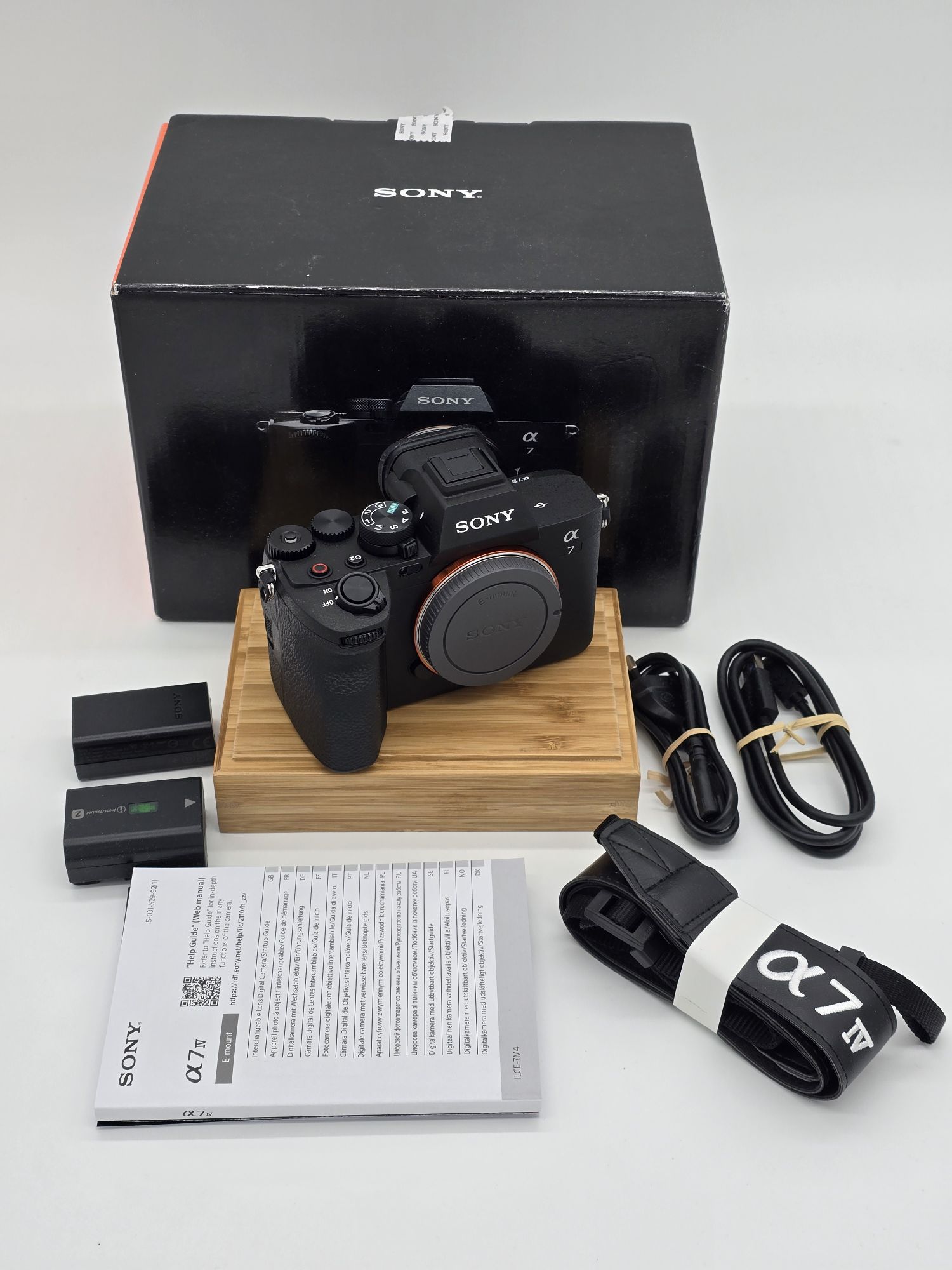
Sony A7 III vs. A7 IV: few reasons to upgrade when buying used
Sony A7III and A7IV from a used-market buyer's view: resolution, autofocus, video and handling. When the A7IV premium pays off and when to keep the A7III.
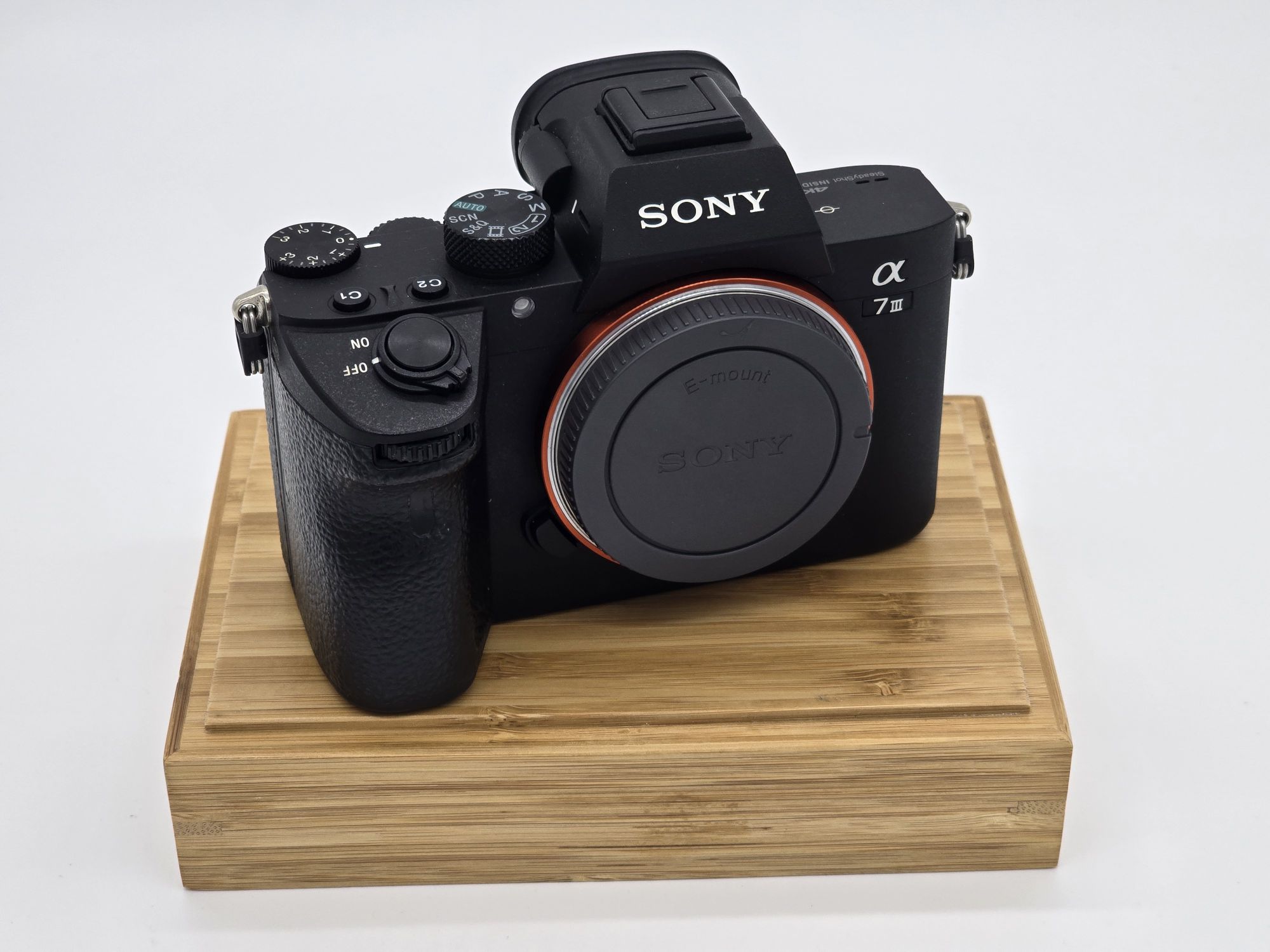
The Sony A7III is still a very solid body today, and on the used market you can get it for noticeably less than the newer A7IV. The A7IV is better in many ways, but the question is whether the difference is big enough in practice to justify the extra money. Take this from the viewpoint of a buyer picking up a used body who counts every thousand crowns.
Sensor and resolution
The A7III has 24.2 MP, the A7IV 33 MP. More pixels give you more room for cropping, large prints and heavier retouching. For landscapes and portraits where every detail counts, the difference is visible. Files are also bigger, so expect to need faster cards, more disk space and slower processing on the computer.
For everyday needs, including social media and prints up to A3, the A7III is more than enough. In high-ISO noise and dynamic range the two bodies are not far enough apart to justify a change on those grounds alone.
Autofocus: a leap or just an improvement?
For its time the A7III had an excellent autofocus and it is enough for most situations. The A7IV, however, brought newer processing and subject recognition: eyes, heads and bodies of people, animals and birds are held more reliably, especially on moving subjects. If you photograph children, birds or sport, you will feel the difference. For static portraits, landscapes and architecture it is practically negligible.
A practical note: for fast movement, set tracking with eye detection on the A7III and a short shutter time (1/1000 s and faster), otherwise you may be blaming the body for a settings problem. Try it before you go for an upgrade.
Video: the A7IV leads here
If you plan to shoot video, the A7IV is the clear choice:
- internal 10-bit 4:2:2 recording, which you will appreciate in colour correction,
- 4K 60p (with a crop), 4K 30p from the full sensor width,
- slightly better sensor stabilization and a fully articulating screen.
The A7III records 4K 30p in 8 bits. That is fine for occasional video but not for demanding editing and colour work. If you shoot mostly stills, you can ignore the video specs.
Viewfinder and burst shooting
On paper burst shooting is the same on both, 10 fps, but the A7IV copes better with longer bursts and makes use of faster cards. You will also see a difference in the viewfinder: the A7IV has an electronic viewfinder with 3.69 million dots, the A7III 2.36 million. In harsh light or with glasses the finer viewfinder is pleasant, but it is not a reason to upgrade by itself.
Handling and ergonomics
The A7IV has a reworked menu, a bigger grip and a fully articulating touchscreen. It is more pleasant to work with than the A7III, whose menu is less clear and whose screen cannot be used to operate the menu. If you change settings on the go a lot, this is a real advantage.
What to look at on a used body
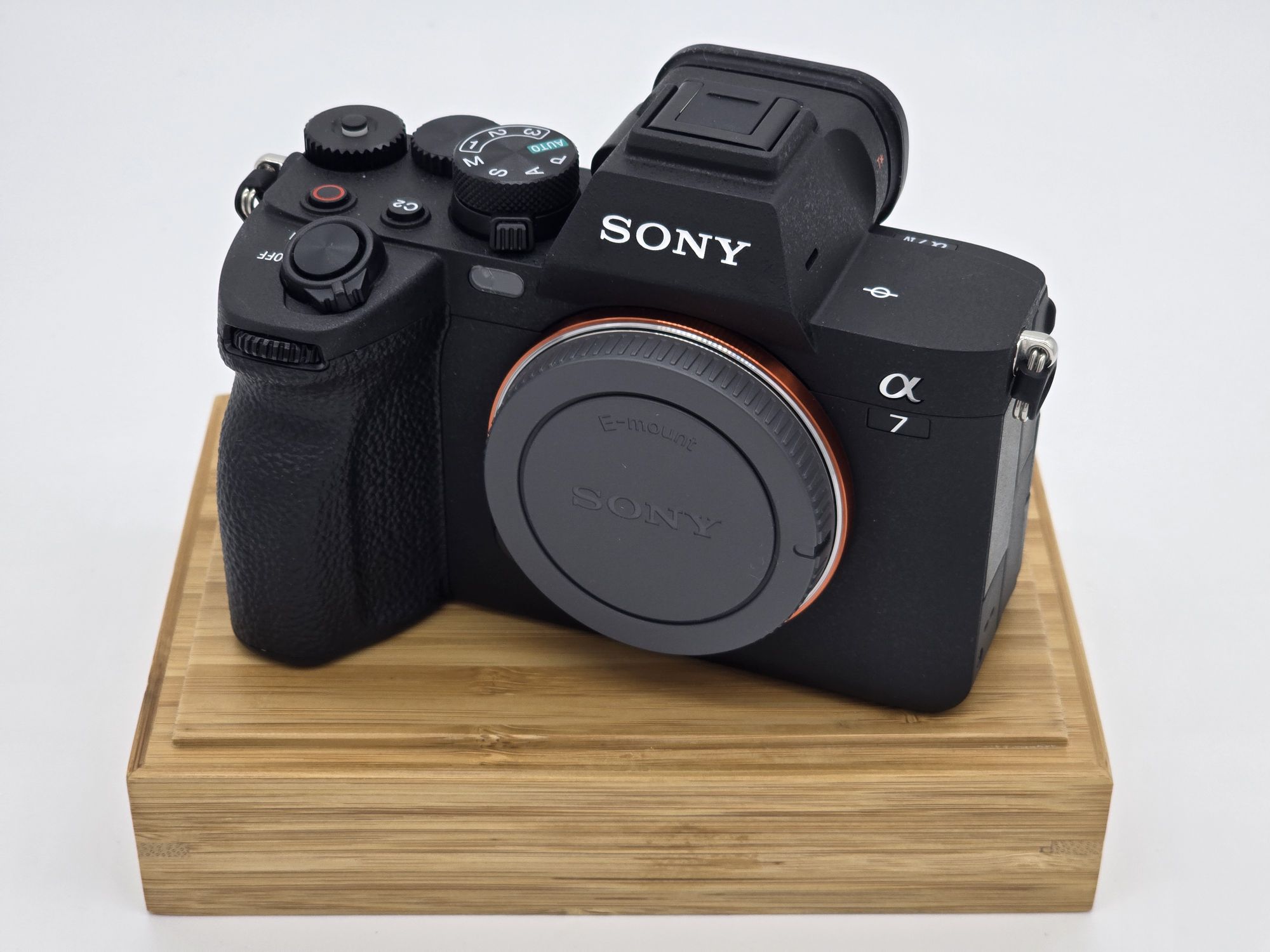
The same basics apply to both models: shutter count, a clean sensor, the condition of the mount, slots and buttons, and an original NP-FZ100 battery. On the A7IV, also check that the articulating screen moves smoothly and look at the card slot (a combined CFexpress A and SD slot). The whole procedure is in the article How to check a used camera before you buy. Both models share batteries and most accessories, so if you switch, you do not lose chargers and spare batteries.
When to upgrade and when not to
Upgrading to the A7IV makes sense if
- you often shoot video and need 10 bits,
- you photograph sport, animals or events and want more reliable tracking,
- you need higher resolution for printing or cropping,
- you want a body for several years ahead and the extra cost does not bother you.
Stay with the A7III if
- you mostly shoot static scenes (landscapes, portraits, architecture),
- your A7III works reliably and the autofocus is not holding you back,
- you are looking for the best value for money,
- you do not plan demanding video.
What I would do
The difference on paper is big, in everyday shooting smaller than it seems. If you are happy with your A7III, I would not rush. If you are about to buy and the budget allows, I take the A7IV for the autofocus, handling and video. I would always weigh the price difference against a good lens, though, which often does more than a new body. For alternatives, see the comparison of the Canon R6 Mark II and Sony A7 IV or the Sony A7C and A7C II. You will see what I currently have on offer in the cards below, or in the shop.