Buying advice
Your first full-frame camera: where to start without losing money
Choosing your first full-frame body? Here are sensible entry points from my stock and the beginner mistakes to avoid.
Moving to full frame is an exciting milestone, but it doesn’t have to be the most expensive route. Many photographers get carried away by marketing on their first purchase and pay extra for the brand, when older, still capable models often deliver a real step up in quality.
The body is only half the story – the other, often more important half is the lenses. If you have a collection of crop lenses, consider an adapter or a system that supports them. If you’re starting from scratch, choose in a way that leaves room to grow without going into debt right away.
What to look for in a used body
With a used full-frame body, condition and history are what count:
- Shutter count: always check it. More important than the number itself, though, is the physical condition.
- Autofocus: make sure it focuses reliably, and test the body in different lighting.
- Sensor: inspect it for dust and scratches.
- Stabilization (IBIS): it’s standard today and also stabilizes older lenses without their own stabilization, so prioritize it.
Sensible entry points and trade-offs
Not every ideal combination is always in stock, but there are solid starting points:
- The Canon EOS R6 is still a very attractive balance of performance and price. The newer R6 Mark II is the logical step for more demanding users.
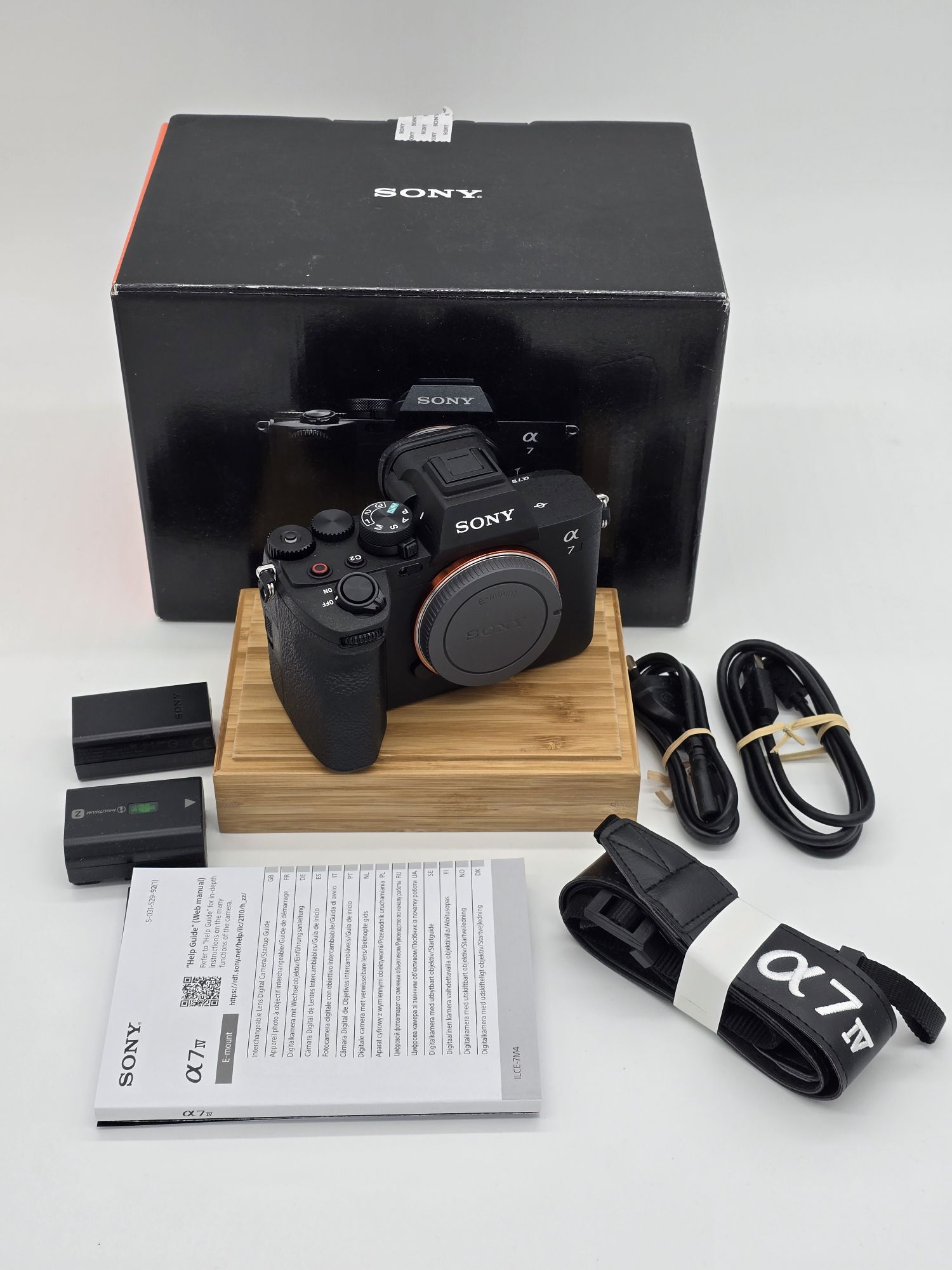
- Sony offers top-notch autofocus and a wide range of lenses. The A7 IV is a proven standard; if you don’t need the best video, you’ll save with the older A7 III.
- The Nikon Z6 II is a quiet and reliable workhorse.
Keep in mind that lenses tend to cost more than bodies. The Sony FE 35 mm f/1.4 GM is a great start, but full frame is an investment in the whole system.
Common beginner mistakes
The biggest mistake is buying a body without any idea of which lenses you’ll need. Full frame changes how focal lengths feel: 50 mm is the standard on full frame, while on crop it behaves like a short portrait telephoto (roughly 75–80 mm).
- Don’t rush into buying the most expensive lenses. Start with one quality zoom or prime and add to it gradually.
- Don’t underestimate accessories – batteries and chargers can be expensive.
And finally: gear goes out of date faster than it loses its practical value. A full-frame camera bought today will still be a great tool five years from now, as long as you know how to use it.
Tell me which brand you’re considering and what you shoot – I’ll recommend a body and a first lens.