
Buying advice
Portraits: what to shoot with and what else you need
How to put together a portrait kit – a full-frame body and a fast prime. Where to save and where to invest.
Shooting portraits with fast glass is a great goal, as long as you know what you want from it. Many people think the key is the highest-resolution body. In reality, portraits are mostly about the optics – a fast prime separates your subject from the background in a way an ordinary zoom can't.
You can go for top-tier glass and a cheaper body, or the other way around. But the look of a portrait is determined first and foremost by the lens.
Choosing the lens and focal length
I have several great candidates at hafoto.cz:
- Sony FE 85 mm f/1.4 GM is the classic portrait lens, giving your images a three-dimensional look and beautiful bokeh.
- Sony FE 50 mm f/1.4 GM is the versatile choice for those who want to show more of the surroundings.
- Sony FE 35 mm f/1.4 GM offers outstanding sharpness and rendering for both portraits and documentary work.
Bodies and practical tips
The lenses above are for Sony E – they mount directly on the Sony A7 IV. If you shoot Canon or Nikon, pick a similar focal length and aperture in their system. Bodies that are still very capable for portraits:
- Canon EOS R6 – a legendary body with excellent autofocus that handles any conditions.
- Sony A7 IV – newer, but still a great compromise.
- Nikon Z6 II – quiet and reliable.
- Canon EOS R7 – a cheaper alternative with an APS-C sensor, though you lose the advantages of full frame.
With used copies, keep an eye on the shutter count. These models have a long shutter life, but always have the condition checked anyway.
What to watch out for
There's no point buying the most expensive body if you don't have a quality lens for it. Megapixels aren't a priority for portraits; the lens's aperture and rendering matter more. With a fast prime, you don't need the latest body – reliable, fast autofocus is enough.
On the lens, check that it's clean, free of fungus and has a working aperture ring. On used bodies, look for scratches and check the battery condition. Functionally, though, these models are still top-tier.
In short
- 85 mm is king for tight headshots, 50 mm also handles waist-up shots.
- Choose a body by its condition and shutter count, not by its generation.
Tell me what and where you shoot – we'll match the body and lens exactly to your needs.

Objektiv
Sony FE 85mm f/1.4 GM
Objektiv
Sony FE 50mm f/1.4 GM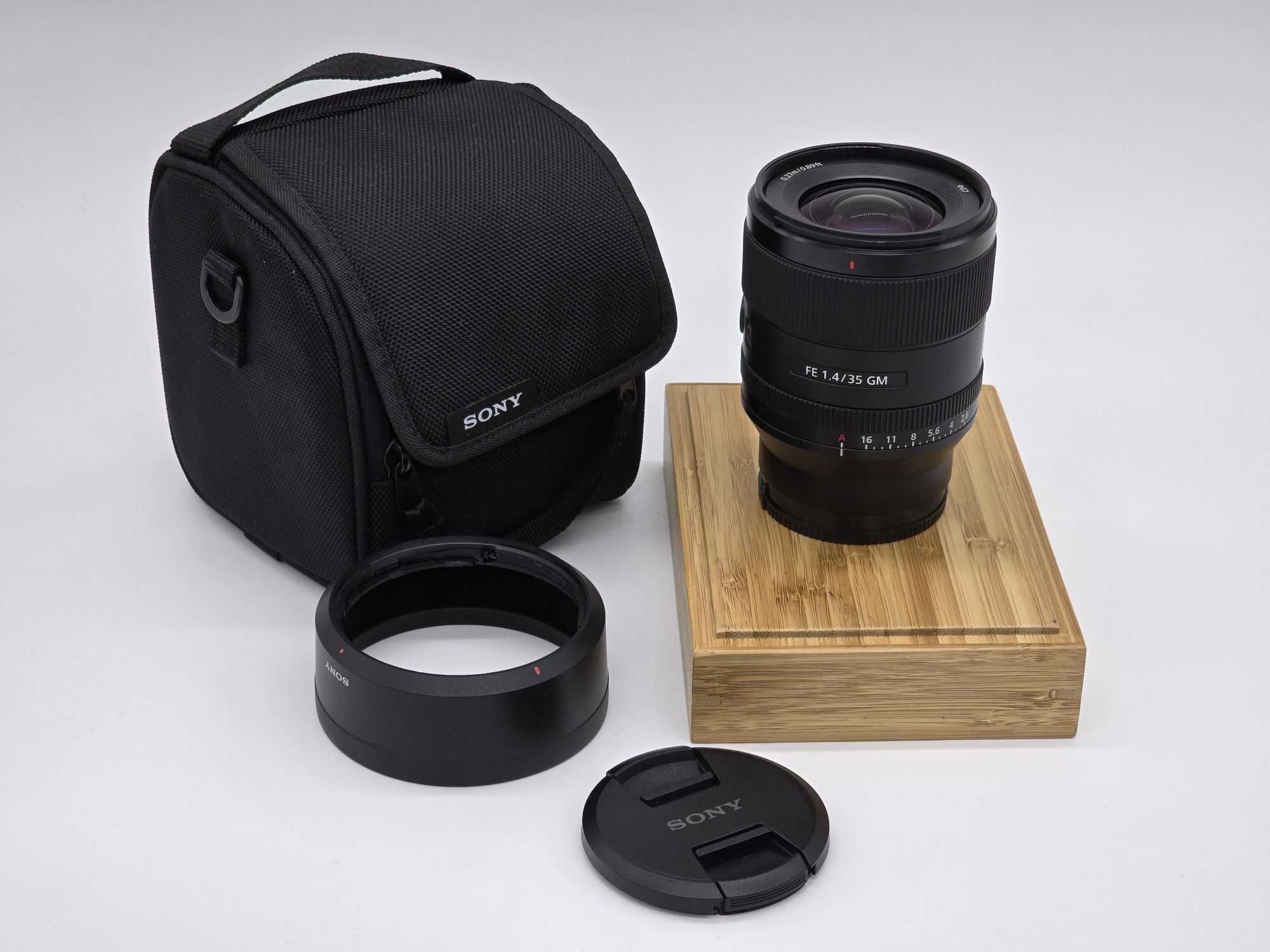
Objektiv
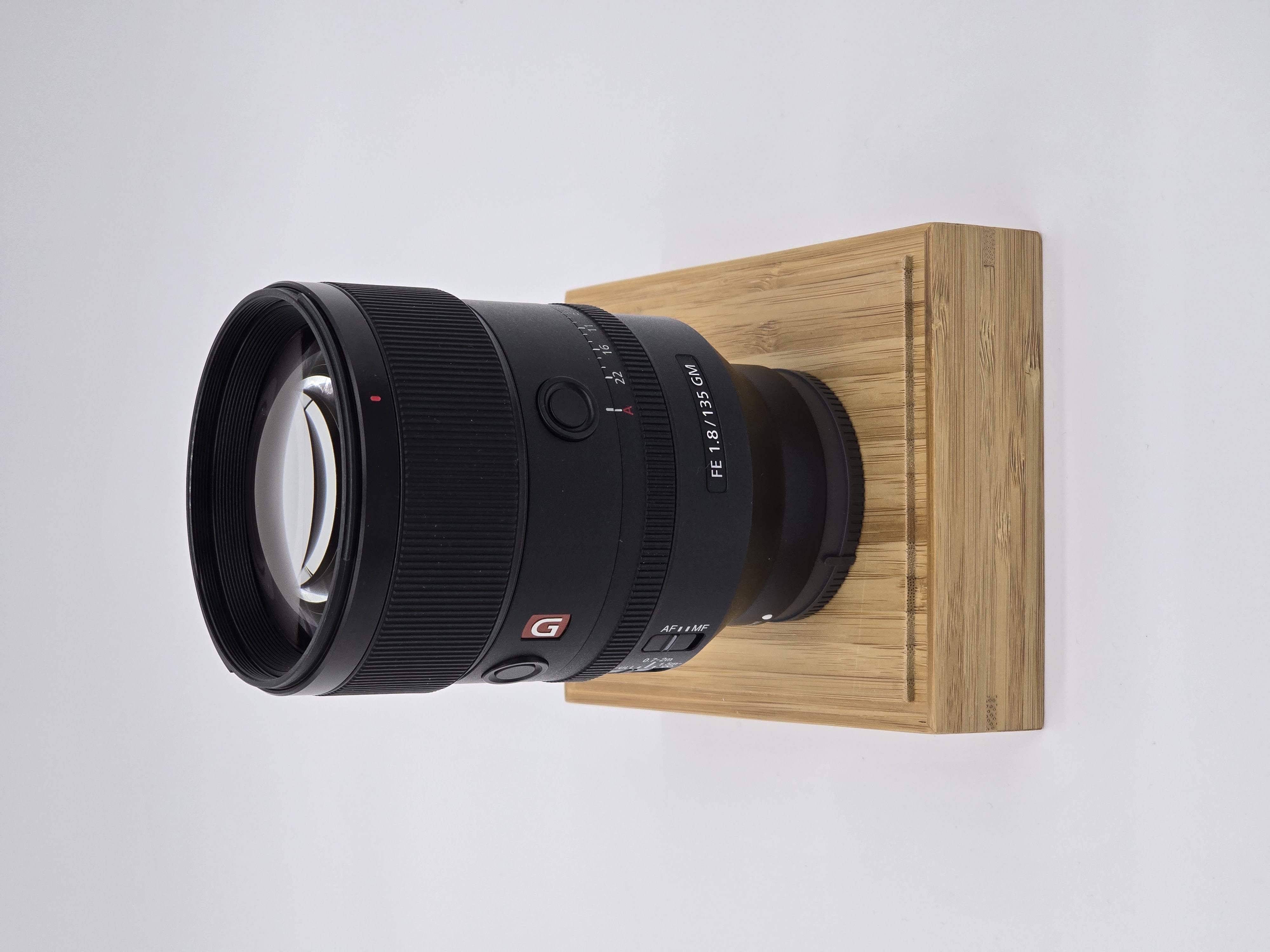
Sony FE 135mm f/1.8 GM