
Body comparison
Sony A7III vs. Canon R6 vs. Nikon Z6II compared
Sony A7III, Canon R6 and Nikon Z6II are among the most common used full-frame bodies. Who should buy which, what to watch for and how lenses decide.
Sony A7III, Canon R6 and Nikon Z6II are the three bodies people compare most often on the used market. None of them is clearly the best, but each is an excellent buy for a slightly different person. A spec sheet alone will not decide it: in practice you should weigh autofocus, lens choice, battery life and how the body feels in your hand. Here is how I think about them, what to watch for when buying each one second-hand, and when I would choose differently.
The three bodies at a glance
- Sony A7III: 24 MP, 10 fps burst, two SD card slots (only one of them UHS-II), and an NP-FZ100 battery with really good endurance.
- Canon R6: 20 MP, 12 fps with the mechanical shutter and up to 20 fps with the electronic one, two UHS-II SD slots, sensor stabilization and a high-resolution viewfinder.
- Nikon Z6II: 24.5 MP, up to 14 fps, one CFexpress/XQD slot and one SD slot, a deep grip and an excellent viewfinder.
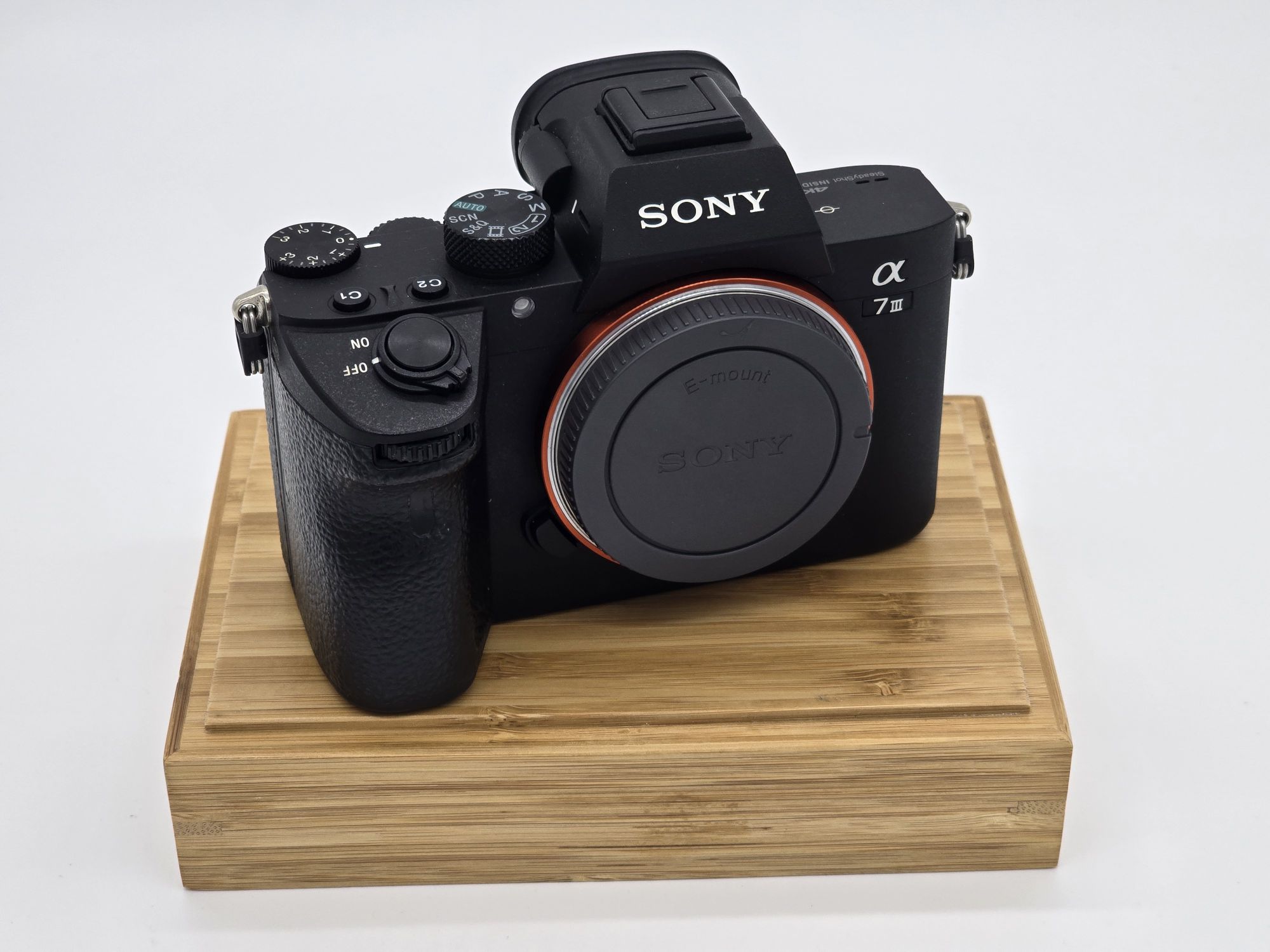
Sony A7III: the most versatile choice
For most people it is still the most sensible starting point. For reasonable money you get 24 MP, a very good autofocus with eye detection, sensor stabilization and a battery that lasts a whole day of shooting. The main advantage, though, is the E mount: there are so many native and third-party lenses that you can build a kit for any budget.
The weaker point is handling. The menu is large and not always logical, the touchscreen cannot be used in the menu, and the ergonomics are not as pleasant as on the Canon or Nikon. You get used to it, but try it before you buy.
On a used body I would look mainly at the sensor (dust, scratches), the shutter count, wear on the rubber grip and the function of both card slots. The door and slots get opened often, so check that they hold and click shut properly.
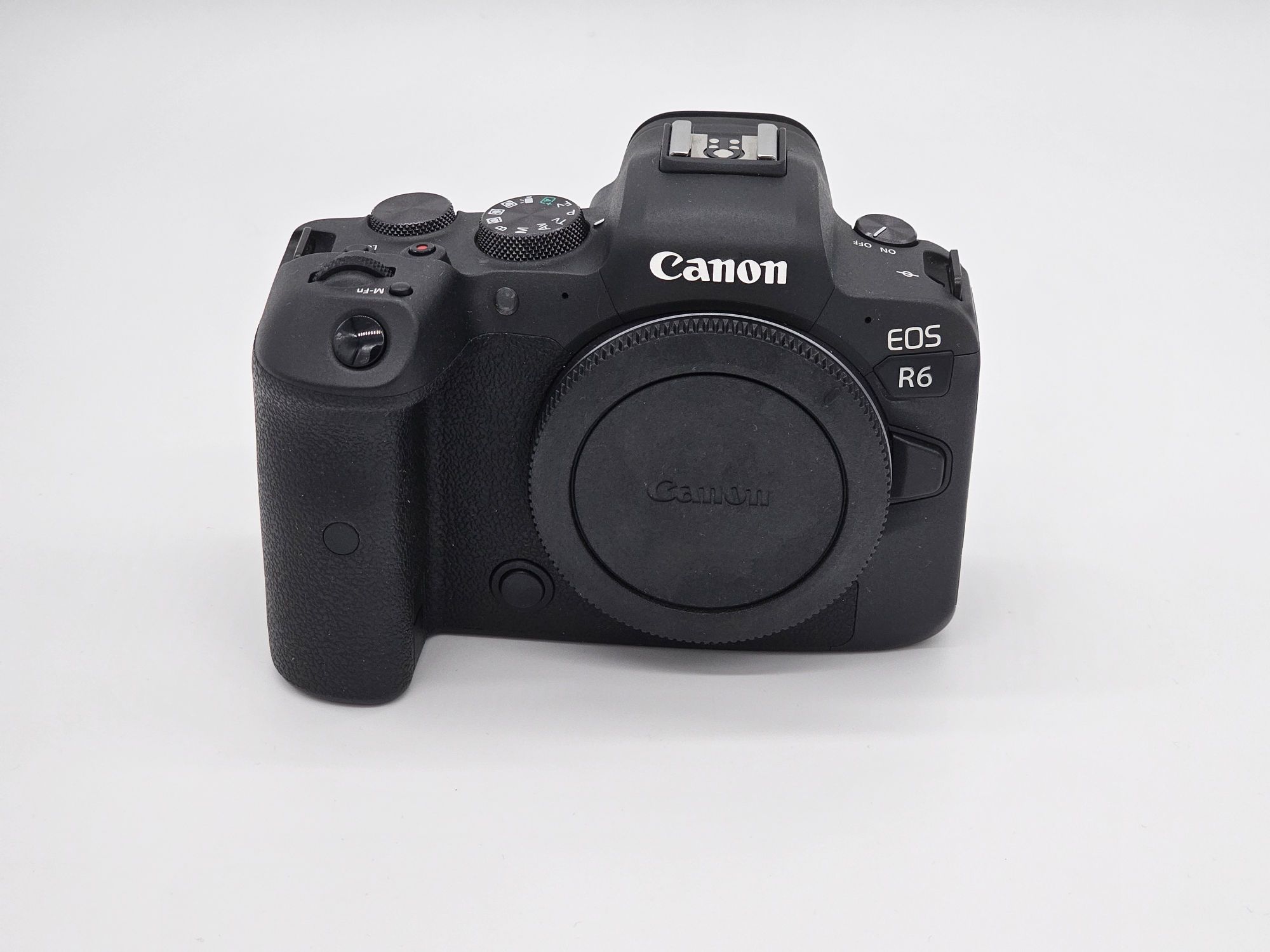
Canon R6: best for people and movement
I would take the Canon R6 for weddings, family, reportage and events. The Dual Pixel autofocus is dependable, tracking of people and animals works without complicated setup, and the body sits very well in the hand. The menu is clear, so you get to the setting you need quickly.
Do count on 20 MP, though. It is plenty for everyday shooting and social media, but with heavy cropping or detailed product work the resolution can become a limit. Video is another point: the first R6 is remembered for overheating limits during long recording at the highest quality, so if you mainly shoot video, read up on the firmware version in question and consider the pricier R6 Mark II (see the comparison of the R6 Mark II and Sony A7 IV).
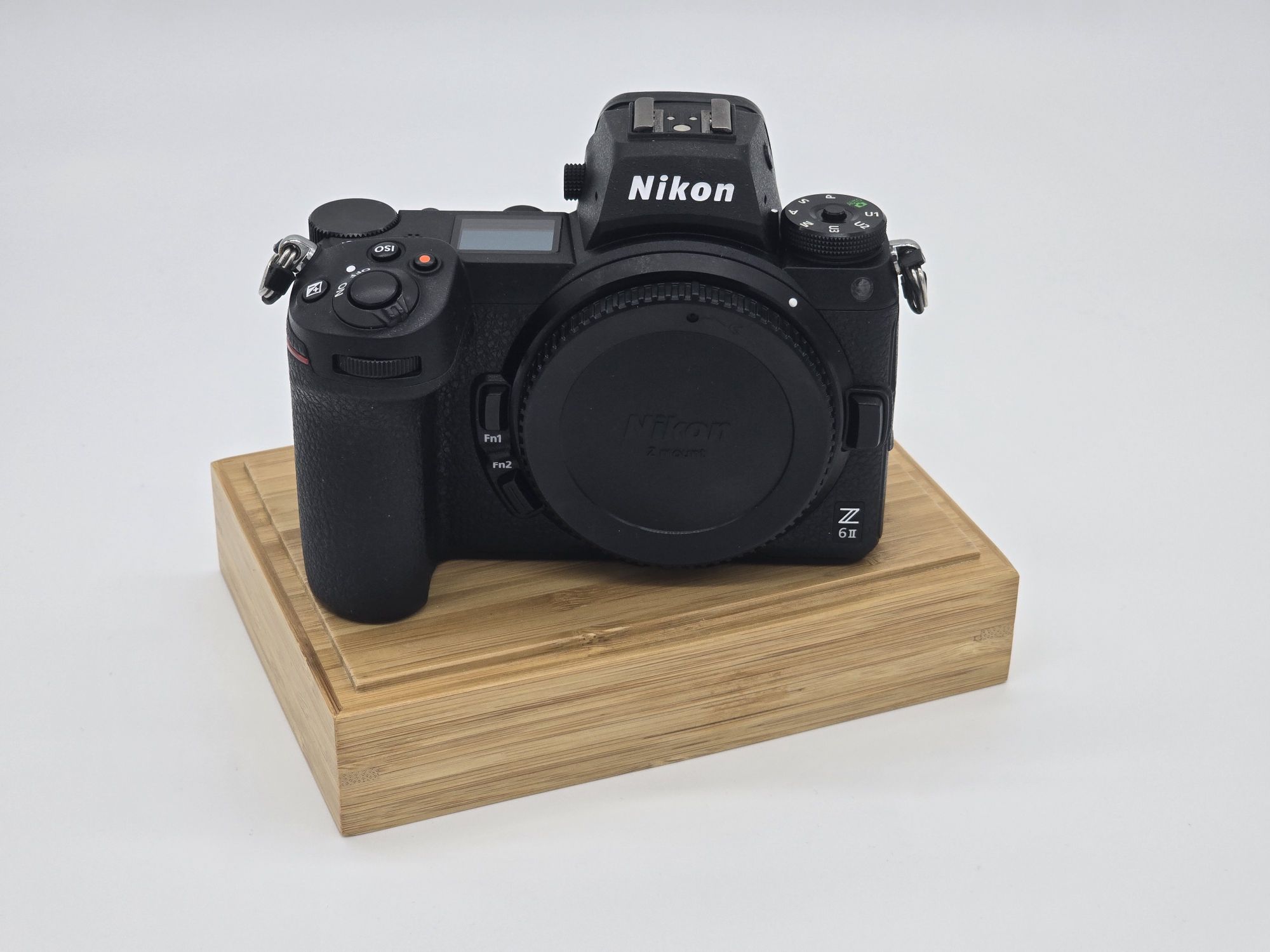
Nikon Z6II: a calm workhorse with a good grip
The Z6II is for anyone who wants pleasant ergonomics, a nice image and relaxed work. It has a deep grip, an excellent viewfinder and good dynamic range. If you are used to Nikon controls, you will feel at home immediately. The autofocus is usable for fast tracking, but for children and sport I would prefer the Canon R6. A closer comparison with the Sony is in the article Nikon Z6 II vs. Sony A7 III.
When buying second-hand, test the memory card slots (CFexpress/XQD needs expensive cards, the SD slot is more universal) and check the battery. The EN-EL15c lasts less than the Sony NP-FZ100, so plan for a spare.
Lenses matter more than the body
When choosing between these three systems, the lens range plays a bigger role than the differences between the bodies:
- Sony E: the widest choice, including Sigma, Tamron and other third-party makers, and the most used units are commonly available.
- Canon RF: the original lenses are excellent, but third-party autofocus lenses for RF are limited. A cheaper route is older EF lenses on an adapter.
- Nikon Z: the native line is high quality, and older F lenses can be used on the FTZ adapter, though not all with full autofocus.
Think of the whole: the body plus a lens you will actually use. Good glass stays with you after you change bodies.
What to check when buying second-hand
- shutter count and the condition of the shutter,
- a clean sensor (a test shot at f/16 against a bright surface),
- wear on the mount, buttons and the rubber grip,
- the original battery and charger,
- signs of a fall or moisture,
- the price including a lens, not only the body.
The whole procedure step by step is in the article How to check a used camera before you buy.
What I would do
For most people I would recommend starting with the Sony A7III: it is the most versatile and has the biggest lens range. If you mostly photograph people and movement and want the surest autofocus, I go for the Canon R6. If ergonomics and a pleasant image matter most to you, the Nikon Z6II is an excellent choice.
I am happy to help you pick a specific kit through the advice page on the site, or have a look at the shop. You will see what I currently have on offer in the cards below.
