
Buying advice
Shutter count: how to find it and what it means
What the shutter count measures, how to find it on Nikon, Canon and Sony, how much is too much against rated life, and how to test a shutter without the number.
When people buy a used camera, they most often ask one thing: how many shots does it have. It is a reasonable question, but the number alone does not decide anything. What matters is what exactly is counted, how to find the figure, how to compare it with the rated shutter life, and what to do when it is high or when the camera does not show it at all. The procedure below suits checking any used body.
What the shutter count actually is
The shutter count is the number of cycles of the mechanical shutter: how many times the shutter curtains opened and closed. The shutter is one of the few parts of a camera that physically wear out in use, so the counter gives an idea of how the body lived, much like the mileage on a car.
Only the mechanics are counted. Frames taken with the electronic shutter (silent mode, high-speed bursts on bodies that offer them) do not raise the mechanical counter on many bodies (it can differ by model), because no curtain moves. The same goes for video. A body used a lot for video or in silent mode can therefore have a low number and still be worn in other ways, for example buttons, dials or battery. The real number of pictures taken may be much higher than the counter shows.
The exact counting rules differ by manufacturer and model, so treat the number as a guide, not an accounting document.
How to find it by brand
In general there are three ways: read the figure from the EXIF data of a photo, use a program or online tool, or have a service read it. What works depends on the manufacturer and often on the specific model.
- Nikon. The figure is often stored in the EXIF metadata of the photo as Shutter Count. Take the original file straight from the card, open it in an EXIF reading tool (for example the free ExifTool) or upload it to an online reader. On the Z series the figure is usually accessible, but if a tool does not show it for a particular body, do not panic: ask the seller or a service.
- Canon. On SLRs the count is often read with specialised programs over a cable. On EOS R mirrorless bodies it depends on the model: some write the value to EXIF, others do not and only a service can read it. Do not take "nothing in EXIF" as proof that the body is fine, or the opposite.
- Sony. Sony often stores the figure differently from other brands, and on some models you will not find it in EXIF. Some tools can derive a count, others return only a rough value or nothing. If the seller quotes a number, ask where it came from (a service, a tool) and get it backed up with a screenshot or a document.
Two practical rules. First, always use the original file straight from the camera, not an image from a messenger, from a phone or edited in an editor, because metadata is lost or changed on those paths. Second, do not upload private photos to online tools; a test shot of a wall or the sky is enough. If you cannot find the number at all, look at other signs of age: the serial number, the production date, battery condition and wear on the grip and buttons (see the body check before purchase).

Rated shutter life
For some models manufacturers state a tested shutter life in the tens to hundreds of thousands of cycles. In general, entry-level bodies have a lower rating (roughly tens of thousands up to a hundred thousand), mid-range bodies around two hundred thousand, and professional sports bodies several hundred thousand. Always check the figure for your specific model with the manufacturer, because it differs even between generations of the same line.
It is important to understand what the figure means. It is not a guarantee, nor the date when the shutter will stop working. It is the value at which the manufacturer still expects faultless operation in testing. Many shutters exceed it, others fail earlier. That is why the count is best taken as a risk indicator, not as a verdict.
How much is too much
A rough guideline, not an exact science: work out what share of the rated life the body has used.
- Under a quarter of the rated life, the body is practically fine and there is no reason to discount the shutter.
- Between a quarter and a half is a normal used condition. It affects the price little if the other checks come out well.
- Above half a clear discount is in order, along with a question whether and when the shutter was serviced.
- Close to the rated value or above it, buy only with the cost of a shutter replacement in mind, knowing it can fail at any time.
The number must never be read in isolation. A body with twenty thousand shots that was neglected and stored badly is worse than one with seventy thousand that was kept clean and used with care. The surrounding facts decide too, such as the state of the mount and the sensor, the function of every button, a working screen and the battery. For a specific model it is also worth finding out whether the manufacturer or users report typical shutter faults.
What if the number is high or cannot be found
A high number is not the end of the world, but it has to show in the price. You can verify the shutter without the number.
- Switch the body to the mechanical shutter, otherwise you are not testing the mechanics at all. Shoot an evenly lit white surface (a wall, a bright sky) at 1/4000 s and 1/8000 s, stopped down so the frame is not overexposed. Some bodies (for example the Canon EOS R8) have 1/4000 s as the shortest time without the fully electronic shutter; there, test the shortest time available. On the enlarged picture the brightness must be the same across the whole frame. A darker band along one edge means the curtains do not move in sync and the shutter has a problem.
- Listen to a burst. The shutter must sound even, without stuttering and without changes of sound between shots.
- Also try a time of about 1 s and longer and check that the pictures have the right brightness and that the shutter closes after the exposure without odd noises.
As for the cost of a replacement: the shutter is a part that can be replaced, but it is a service job at an authorised or independent workshop. The price depends on the model and the service and is generally in the range from a few thousand to the low tens of thousands of crowns, higher for professional bodies. Always get the actual amount from the service in advance. If you count on a replacement when buying, subtract the estimate from the price.
What I would do
The procedure is short. Ask the seller about the shot count and about service. If possible, read the figure from an original photo. Compare it with the rated life of the model. Run the 1/4000 s and 1/8000 s test and listen to a burst. With a low or medium count decide by the overall condition of the body, with a high count ask for a discount matching the replacement cost. When estimating wear, keep in mind that the electronic shutter and video do not show up in the counter.
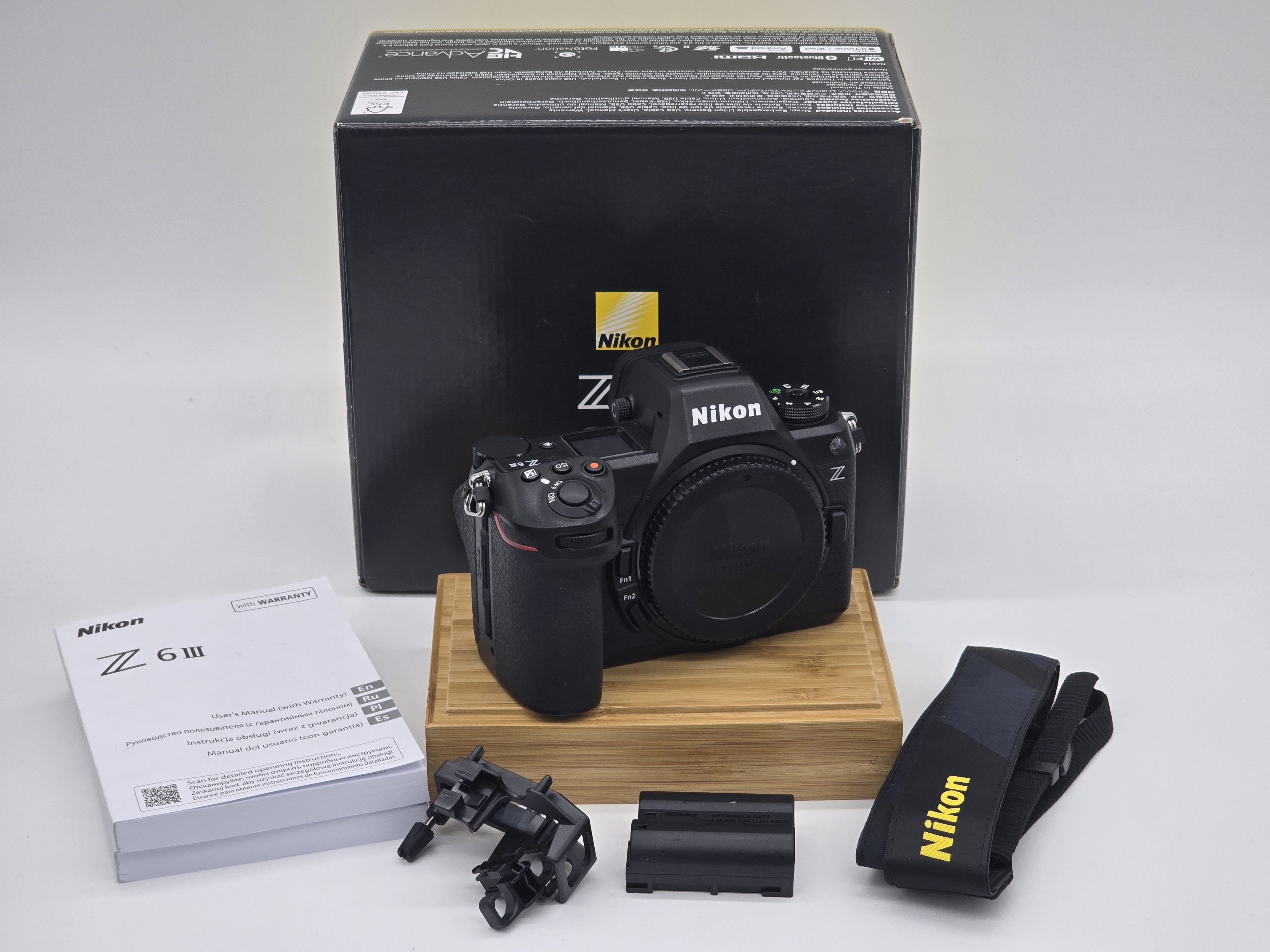
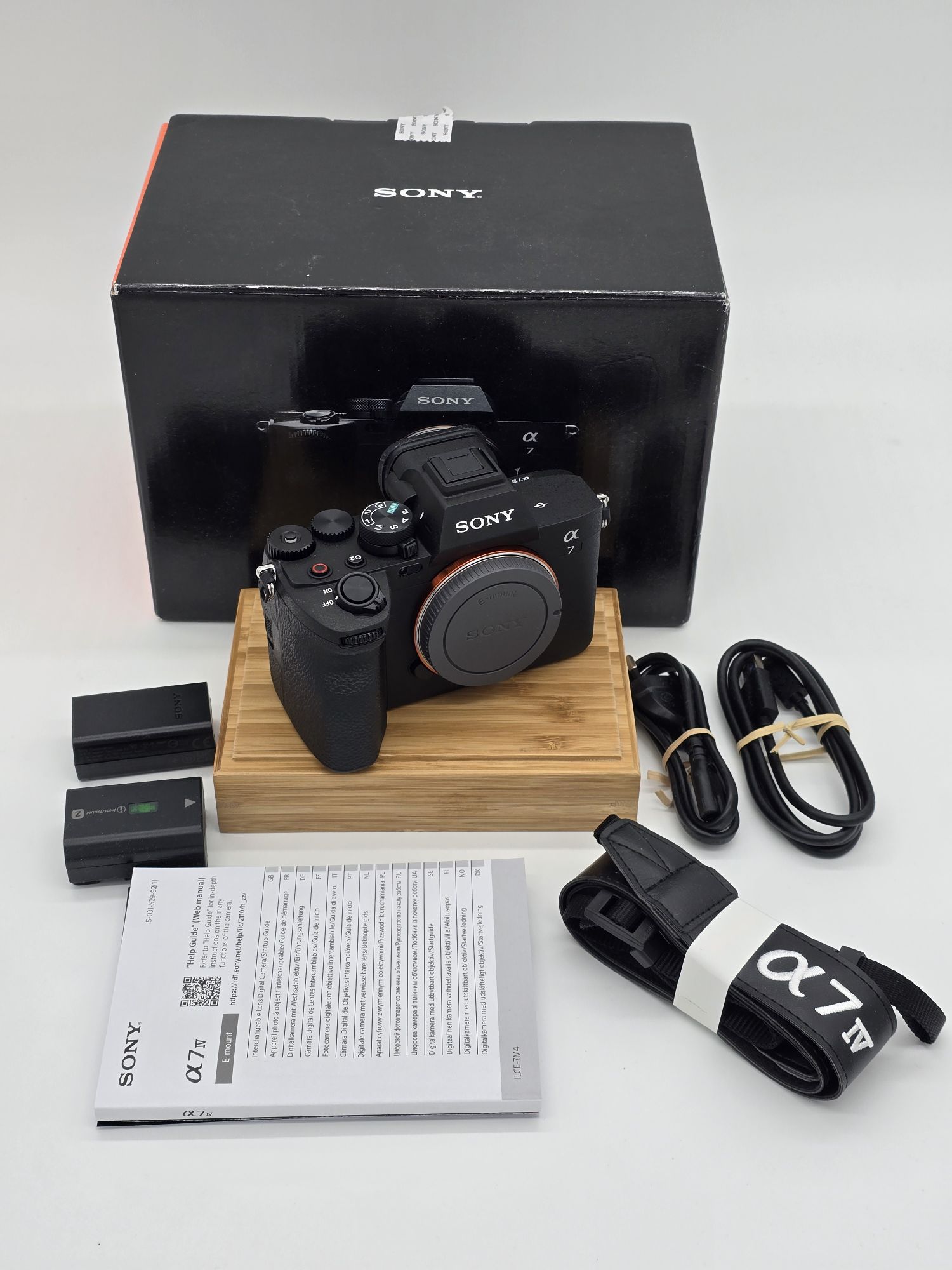
What I currently have on offer, you will see in the cards below:
If you are choosing between specific bodies, see the review of the Canon EOS R8 or the offer. If you need advice, write to me through the contact on the website.