Review
Nikon Z6 III from the used market: a versatile full frame for photo and video
The Nikon Z6 III for hybrid work: internal RAW video, cards, lenses and power, comparison with rivals and how to check a used copy before buying.
The Nikon Z6 III is a versatile mirrorless camera for people who need one body for both photography and video. It combines a 24.5 MP full-frame sensor, fast autofocus, in-body stabilization and internal RAW video recording. This article focuses on video, hybrid work and everything that goes with the body: lenses, cards, power and checking a used copy. The stills side and autofocus setup for sport and reportage are in the other article, Nikon Z6 III from the used market: who it is for and why it pays off.
Who it is for
The Z6 III makes sense for people who do not want a body specialized in one discipline: solo creators, small productions, photographers who add video to a job, and families who want one quality body for holidays. If you shoot mostly stills and video does not matter, you need not pay for the hybrid features; an older and cheaper body is enough, see Nikon Z6 II vs. Sony A7 III.
Sensor and readout
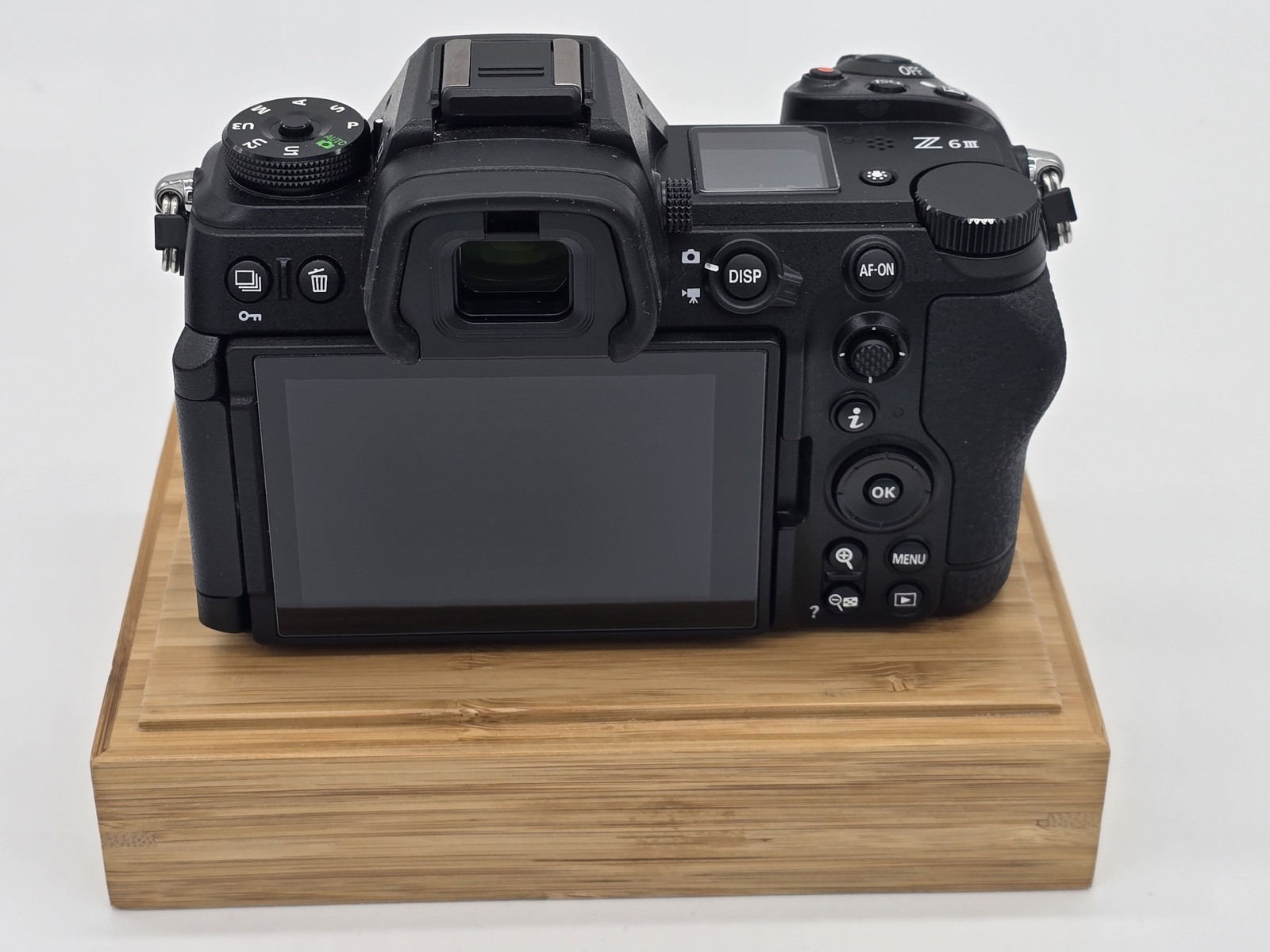
The partially stacked full-frame 24.5 MP sensor and the EXPEED 7 processor provide fast readout. For video this has two consequences: less rolling shutter when panning quickly and snappier autofocus. 24.5 MP is a compromise: enough detail for prints and crops, and clean video without excessive storage demands.
Video: 6K RAW and practical matters
The body can record internal RAW video up to 6K. RAW preserves the maximum information about exposure and colour, so in post you can correct exposure and white balance without breaking the image. You pay with large files, fast cards and a powerful computer. For ordinary YouTube or social media video, recording in a common codec is often better: files are smaller and processing is faster.
What to prepare:
- Cards: for RAW and high data rates use a fast CFexpress Type B card; the second slot is for an SD card. Check the documentation for the exact speed requirements of each recording mode.
- Power: EN-EL15c battery; for long shoots plan several batteries or power over USB-C.
- Sound: an external microphone and headphones monitor sound better than the built-in microphone.
- Stabilization: IBIS helps with hand-held shots, but for smooth tracking and walking shots a gimbal is better.
- Cooling and recording time: for long recording at the highest quality, check how the body behaves in warm conditions; I cannot promise it for every situation.
The wider picture is in Video set: which body is worth investing in.
System and lenses
The Z6 III belongs to the Nikon Z system with the Z mount. Z lenses are good, but the system is smaller than Sony E. Older Nikon F lenses work through the FTZ adapter, although not all with the same autofocus. For video, fast primes or a 24–70 mm f/2.8 zoom suit it well, see Nikon Z 24–70 mm f/2.8 S. A fast 85 mm serves well for portraits; manual lenses with a long focus ring throw, such as the ZEISS Milvus 135 mm, are pleasant for video.
What to compare it with
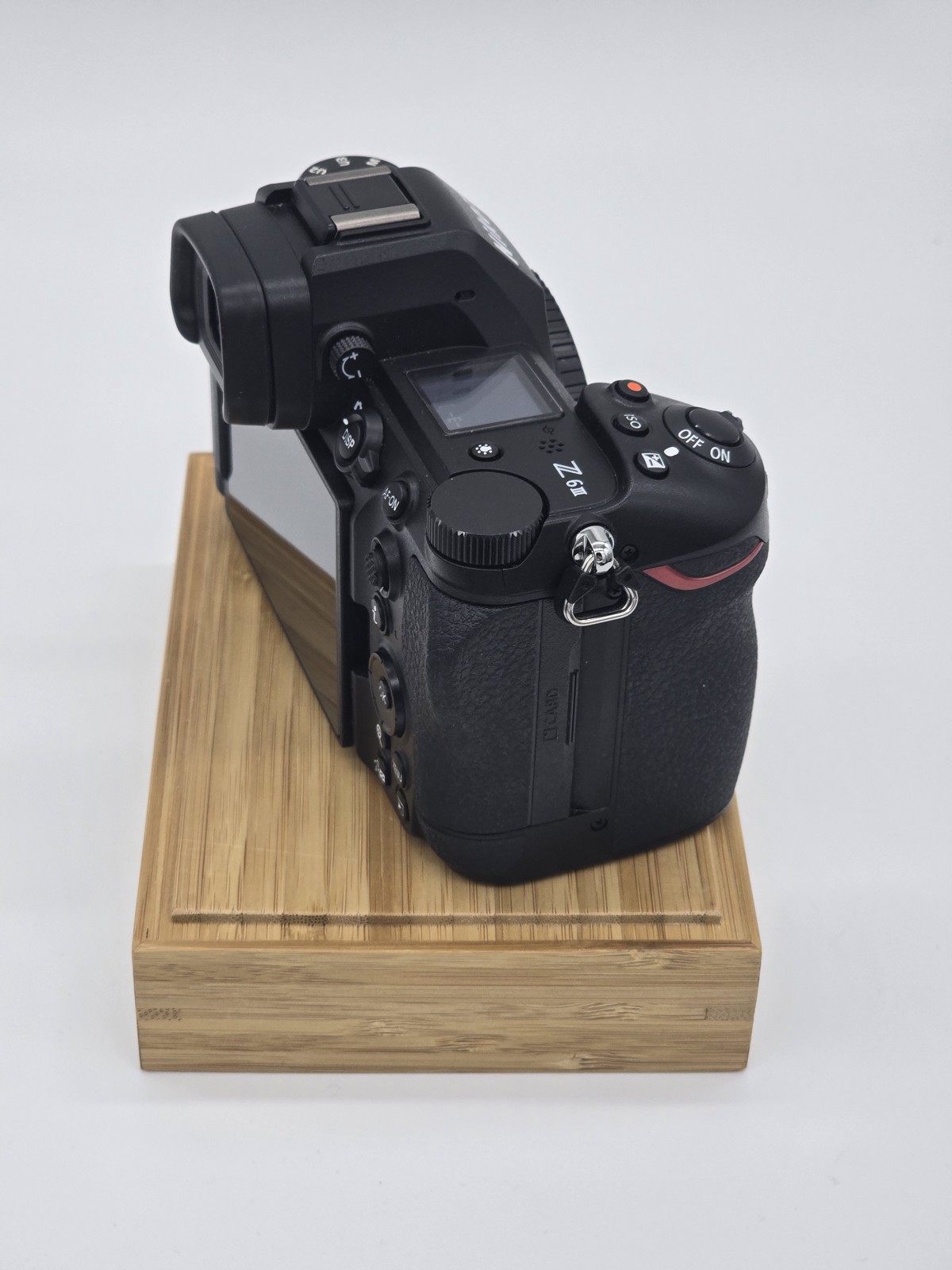
Against the Z6 III stand hybrid bodies from other brands: the Sony A7 IV and the Canon EOS R6 Mark II. The deciding factors are the lenses you already own, ergonomics and whether you need internal RAW. A comparison is in Canon EOS R6 Mark II vs. Sony A7 IV. Try the controls in your hand: Nikon has a different button layout from Sony, and what suits one person does not suit another.
What to check when buying used
- Mount, caps, screen and viewfinder: no scratches, cracks, dead pixels or a loose screen hinge.
- Slots and doors: insert both cards and test recording and a burst of stills.
- Video: record a short clip, play it back and check sound, stabilization and focus.
- Functions: Wi-Fi, Bluetooth, USB-C, HDMI and audio connectors.
- Firmware: check the version and update from the manufacturer's website.
- Shutter count and condition: see Shutter count and How to check a used camera before buying.
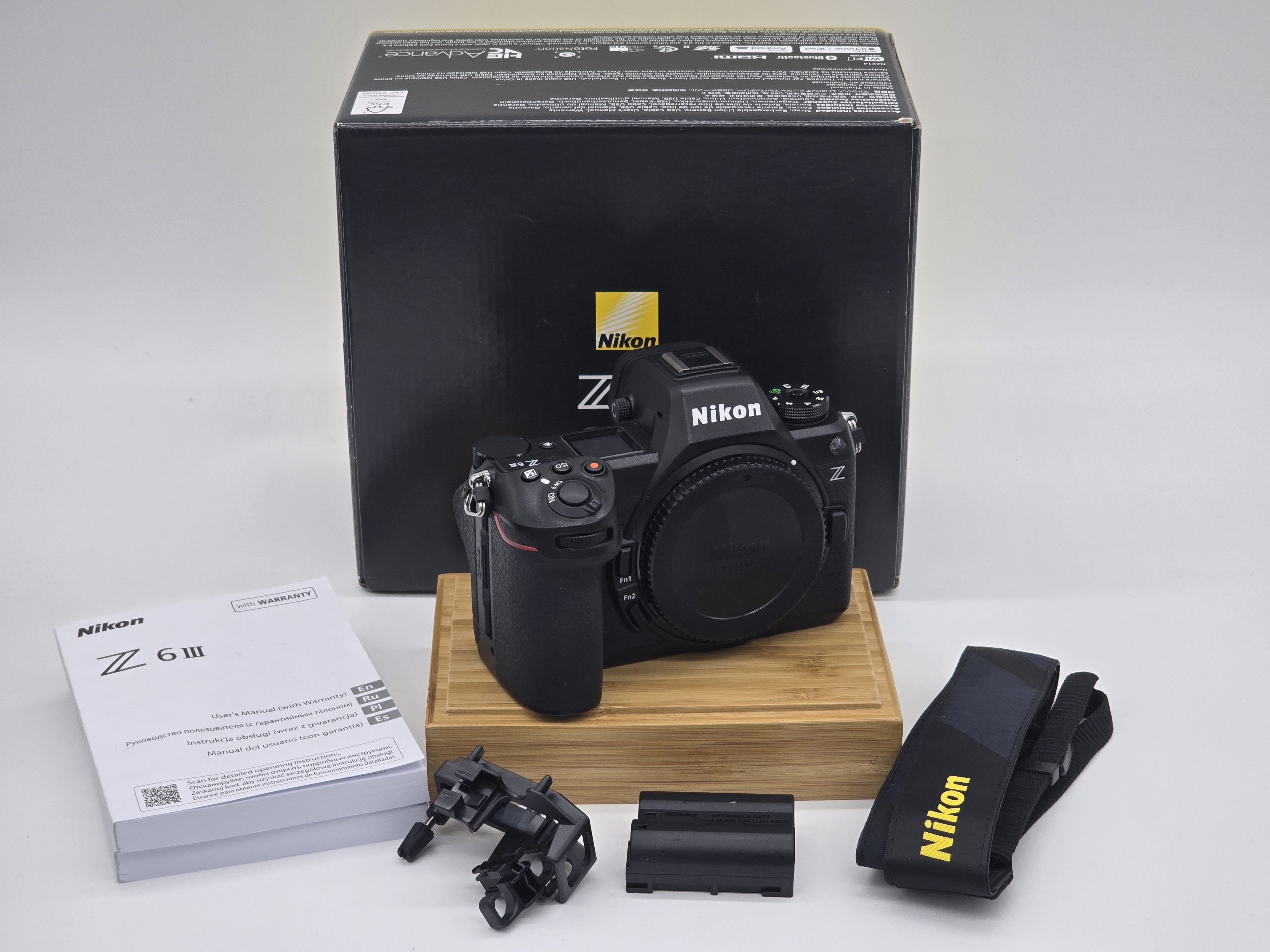
- Completeness: the box, battery, charger, strap and manual make resale easier.
What I currently have on offer you can see in the cards.
What I would do
If I shoot video regularly and want to take quality stills with it, the Z6 III is a sensible middle between a basic body and an expensive professional camera. If I need video only occasionally, a cheaper body is enough and I put the money into a lens and a microphone. With a used copy, record a short clip and test both slots. Gear is in the shop.