Review
Nikon Z6 III from the used market: who it is for and why it pays off
The Nikon Z6 III from a photographer's view: sensor speed, autofocus setup for reportage and sport, comparison with rivals and what to check when buying used.
The Nikon Z6 III is a full-frame hybrid aimed at reportage, sport and fast situations, without the price of a flagship. Occasionally a copy in almost new condition turns up on the used market. This article is written from a photographer's point of view: what the Z6 III can do when shooting stills, how I would set it up for an event or sport, and what to check when buying a used one. Video and the wider system are covered separately in Nikon Z6 III from the used market: a versatile full frame for photo and video.
Who it is for and who it is not
The Z6 III is a workhorse for advanced amateurs and professionals. You will appreciate it mainly in these genres:
- weddings, portraits and family events
- reportage and indoor events
- sport and children in motion
- travel, where you want one body for everything
If you need maximum detail for large prints or heavy crops from a distance, 24.5 MP is less than higher-resolution bodies offer. For most work, however, it is a reasonable compromise between detail, file size and cleanliness at high ISO. I would not recommend it to complete beginners: the menu is extensive, and you get more out of the body once you know the basics.
Sensor and speed
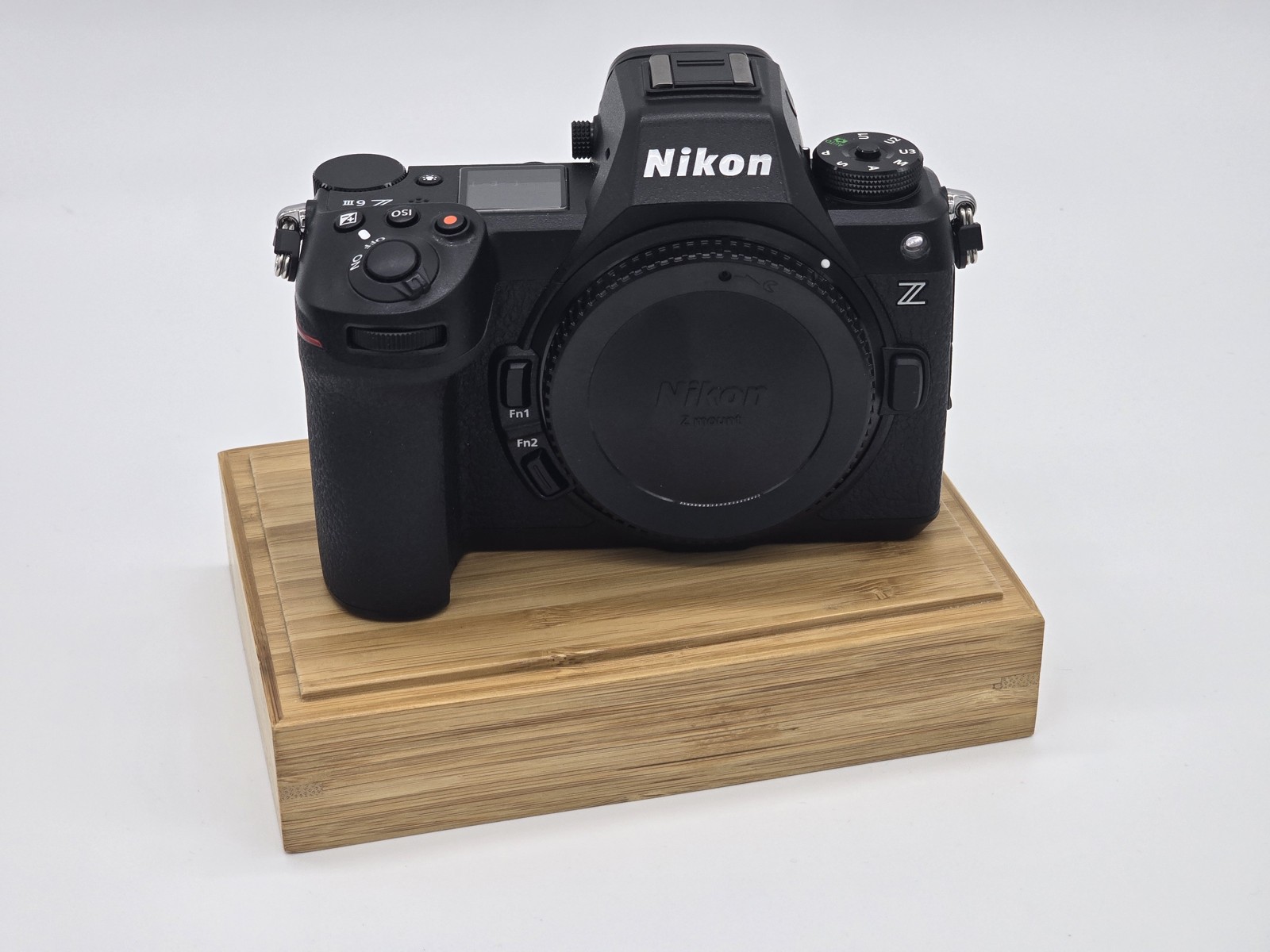
Inside is a partially stacked full-frame sensor with 24.5 MP and an EXPEED 7 processor. The stacked design speeds up readout. In practice this means less distortion of fast-moving subjects with the electronic shutter (rolling shutter) and a snappier live view and autofocus.
The electronic shutter allows bursts of up to 20 frames per second and is completely silent, which you will appreciate at ceremonies, in theatres or at concerts. On the other hand, under artificial light (fluorescent, LED, sports halls) watch for banding; if it appears, switch to the mechanical shutter or try a longer exposure time. The body can also record frames from before you press the shutter (pre-release capture), which helps with sudden moments you cannot predict.
Autofocus: how I would set it up
Subject detection recognizes people, animals and vehicles and tracks the eye or face even in motion. Recommended starting setup for action:
- Focus mode AF-C (continuous), wide AF area, people detection on.
- For sport: 1/1000 s or faster, aperture f/2.8–f/4, auto ISO limited to, say, 6400.
- For children and family events: 1/500 s, f/2.8, a medium burst speed. There is no point in shooting a thousand frames if you then have to sort through them.
- In dim light, add ISO rather than slowing the shutter and risking motion blur. A clean ISO 6400 frame beats a blurred ISO 800 one.
For reportage, make sure the camera holds focus on the intended person and not on whoever steps into the frame. In a crowd, narrow the AF area. For indoor sport tips see Sport in a hall.
Stabilization and low light
The manufacturer rates in-body stabilization at up to 8 stops (CIPA measurement, ideal conditions). In practice you can hand-hold a portrait with an 85 mm lens at 1/30 s if the subject stays still. Stabilization does not stop subject motion, though: with moving people the shutter time decides, not IBIS.
What to compare it with
- The older Nikon Z6 II is considerably cheaper and enough for calmer shooting; the Z6 III adds sensor speed and a more advanced autofocus.
- On the Sony side the natural rival is the A7 IV, see A7 III vs. A7 IV.
- On the Canon side the EOS R6 Mark II is worth comparing, see R6 Mark II vs. Sony A7 IV.
The choice often depends not on the body but on the lenses you already own. Switching systems costs more than the difference between the bodies.
What to check when buying used
The Z6 III is a relatively new model, so seriously worn copies are rare. It is more important to check condition and completeness:
- Shutter count: usually low on lightly used copies. Verify it from the EXIF of your shots and treat it as a guide. The background is explained in Shutter count.
- Mount, screen and viewfinder: no scratches, dead pixels or a loose screen hinge.
- Card slot and doors: insert your own card and shoot a burst.
- Firmware: check the version and update from the manufacturer's website if needed.
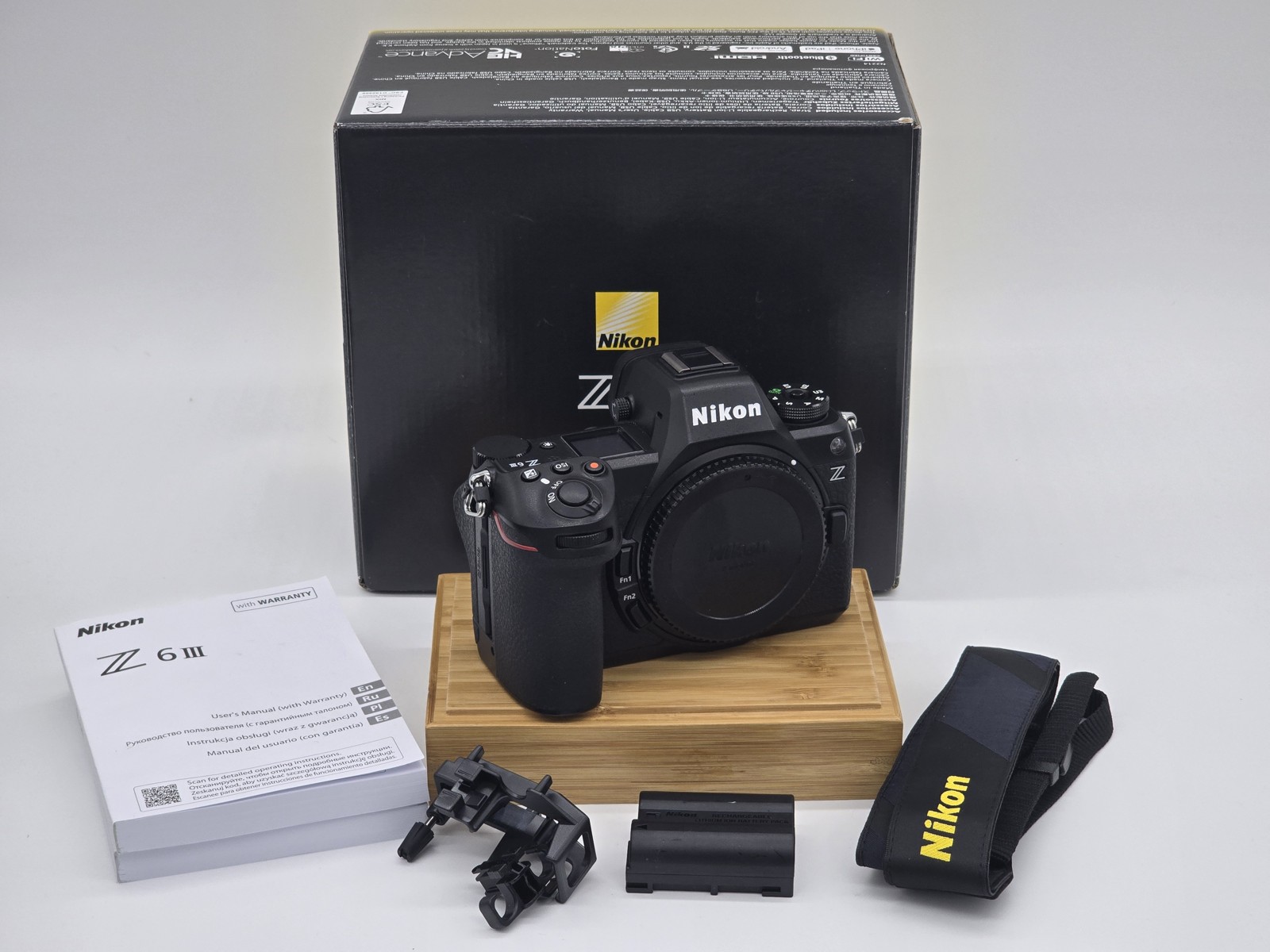
- Completeness: the original box, battery, charger and strap make a later resale easier.
A general procedure is in How to check a used camera before buying.
What I would do
For reportage, family events and sport on a reasonable budget I would take the Z6 III over the older Z6 II, provided the faster autofocus and silent electronic shutter are worth the extra money to me. For static landscape and studio portraits a cheaper body is enough, and I would rather put the money into a fast lens. What I currently have on offer you can see in the cards below the article, and more gear is in the shop.