
Comparison
Nikon Z6 II vs. Sony A7 III – two used-market legends
Nikon Z6 II and Sony A7 III for second-hand buyers: sensor, autofocus, video, battery and lenses. Which full frame suits you and what to check on a used body.
On the used camera market the Nikon Z6 II and the Sony A7 III are pillars of the mid range. They came out several years ago, but their performance still keeps up and they offer excellent value for money. For many people the question is therefore not whether to buy a used full-frame camera but which of these two. Here is how I see them, what to watch for on a used body and which one I would recommend to whom.
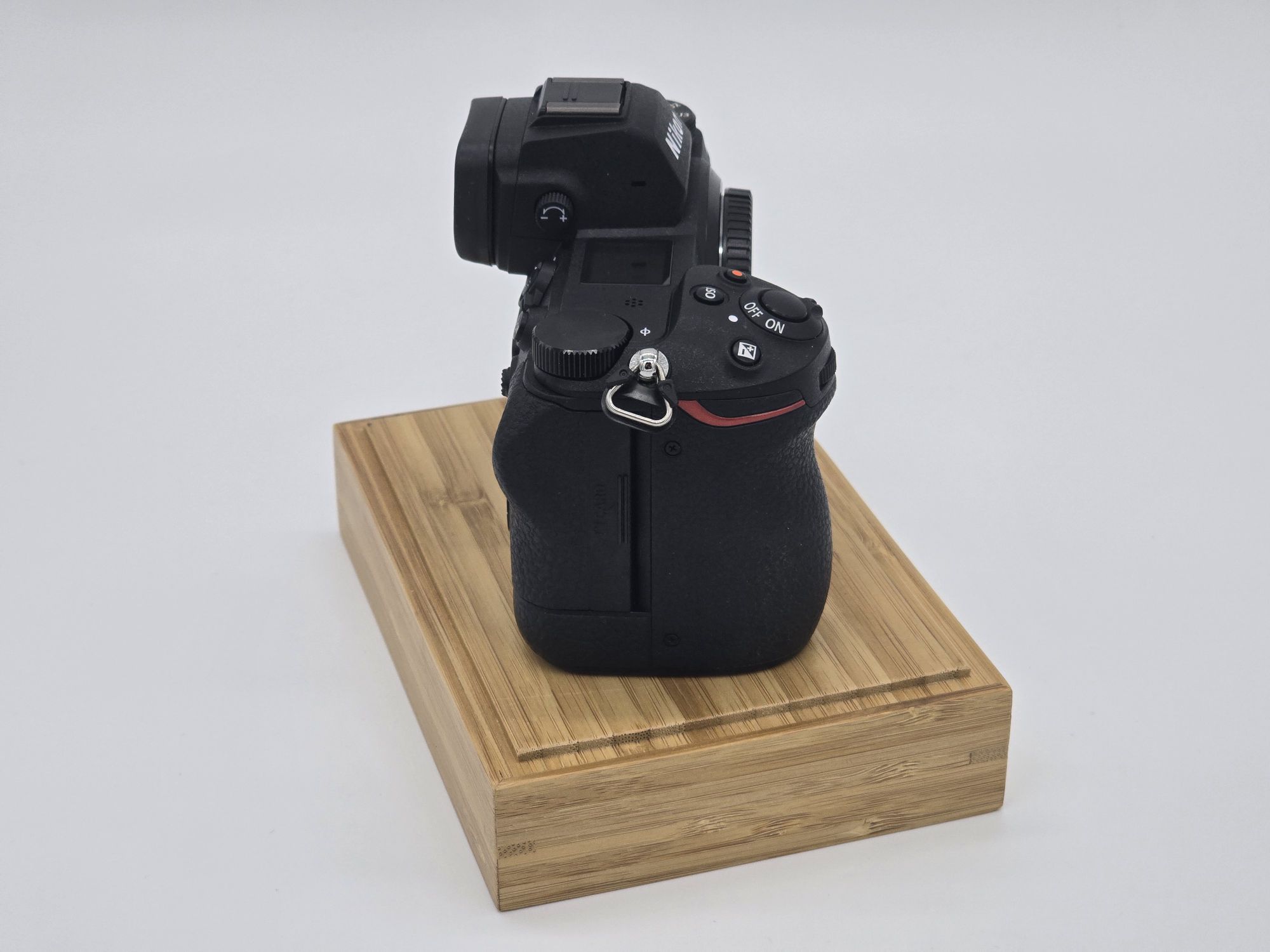
The basic numbers side by side
- Nikon Z6 II: 24.5 MP, BSI sensor, two EXPEED 6 processors, up to 14 fps, 273 autofocus points, a viewfinder with 3.69 million dots, CFexpress/XQD and SD slots, EN-EL15c battery.
- Sony A7 III: 24.2 MP, BSI sensor, 10 fps, 693 phase-detect autofocus points, a viewfinder with 2.36 million dots, two SD slots (only one of them UHS-II), NP-FZ100 battery.
Sensor and dynamic range
Both sensors have around 24 MP and both are backside illuminated (BSI). The image from both is clean and usable at higher ISO, in practice up to roughly ISO 6400, with slight compromises even higher. The Nikon is often credited with slightly more pleasant colour and dynamic range, but in everyday shooting the difference is small and images from both look professional. In contrasty scenes such as a sunset or an interior with windows, it is enough to shoot RAW and lift the shadows, so the choice of body hardly matters.
Autofocus
The Sony A7 III is known for reliable eye tracking (Eye AF), which is fast and accurate, especially for portraits. It also follows moving people well. The Nikon Z6 II has two EXPEED 6 processors and an improved autofocus compared with the first Z6: eye and face detection works reliably. When switching between subjects and with fast movement it is, according to user experience, slightly less responsive.
- Sport and fast-moving children: the Sony A7 III is more predictable.
- Portraits and slower movement: the Nikon Z6 II offers very stable tracking.
Video
If you plan to shoot video, the Nikon Z6 II is more interesting. It records 4K 30p with the full sensor width (4K 60p was added with firmware 1.10, with a crop) and can also output 10-bit 4:2:2 over HDMI to an external recorder, which is handy for colour work. The Sony A7 III records 4K 30p in 8 bits and has no 10-bit recording. For occasional video the two are equal, for more demanding work it is a difference.
Ergonomics and battery
The Nikon has a deep grip and a great viewfinder, so it is comfortable to work with for a long time. The Sony is lighter and its menu is less clear. The biggest practical difference is endurance: the NP-FZ100 battery in the Sony lasts considerably longer than the EN-EL15c in the Nikon. With the Nikon, therefore, plan for a spare battery, especially when shooting all day with the viewfinder.
Lens availability
Sony E offers a huge choice of third-party lenses (Tamron, Sigma, Laowa, Samyang), and Sony itself has dozens of excellent lenses from cheap ones to top G Master. Nikon Z is younger but growing fast. With the FTZ adapter you can keep using older Nikon F lenses, though not all with full autofocus. There are fewer native Z lenses, but their quality is high.
- You own a collection of Nikon lenses: the Z6 II is the logical step.
- You are starting from zero: with Sony a huge lens market opens up to you.
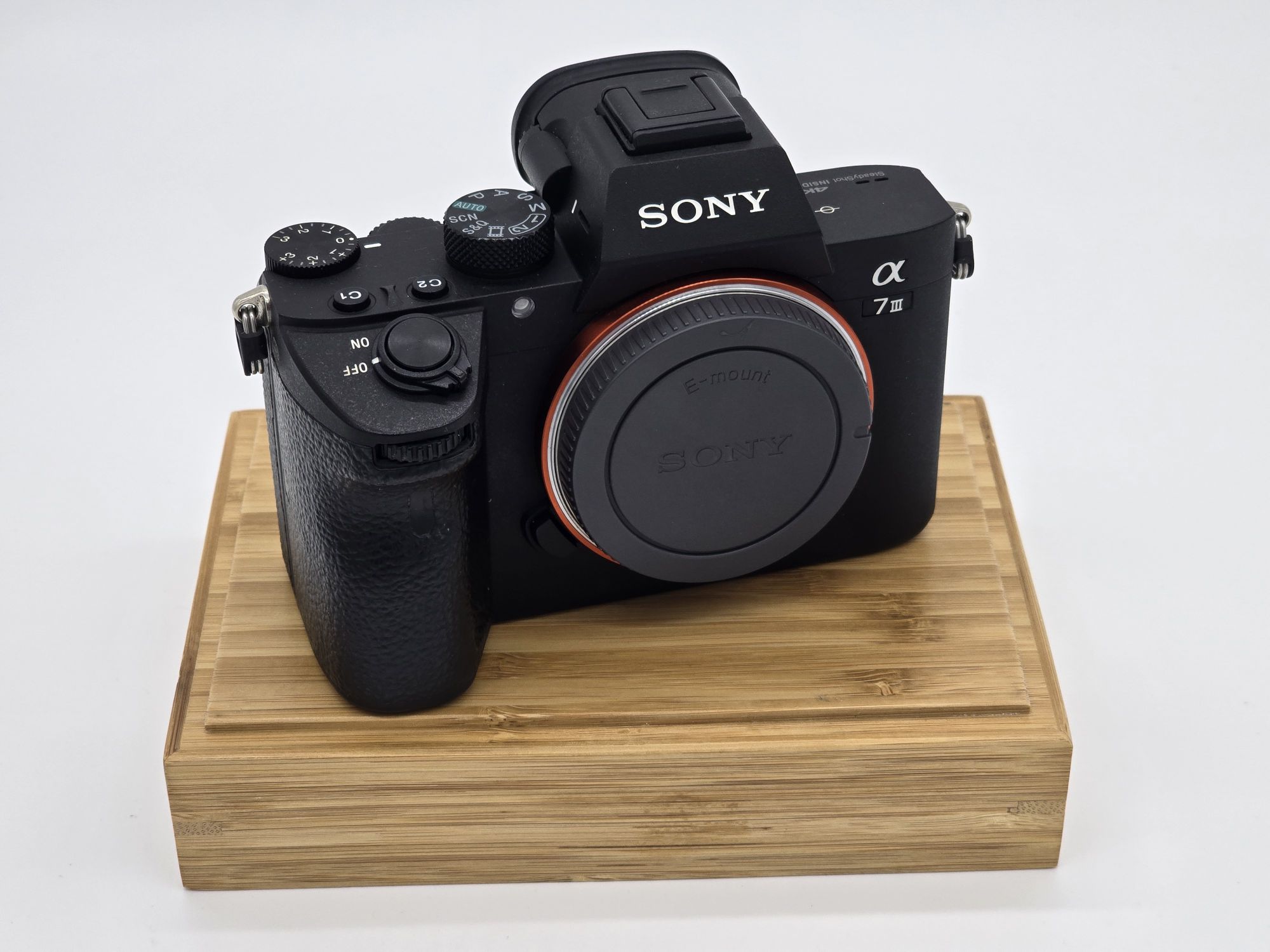
Used prices and what to check
The Sony A7 III can often be found cheaper than the Nikon Z6 II because it has been on the market longer and there are more offers. The difference is usually a few thousand crowns, which can decide it. When buying, always compare the condition of the body, shutter count, a clean sensor, the card slot and the original battery. The whole procedure is in the article How to check a used camera before you buy. With the Nikon, make sure you have a card the slot accepts; CFexpress/XQD cards are more expensive, the SD slot is more universal.
What I would do
If you want better video and viewfinder, a deep grip and like Nikon controls, I take the Nikon Z6 II. If you want reliable autofocus, the biggest lens choice and a lower entry price, I take the Sony A7 III. Both will serve you well for years. Decide by what you need more: video and ergonomics, or versatility and lens availability. For a third option, also see the comparison with the Canon R6. You will see what I currently have on offer in the card below, or in the shop.
