Buying advice
Best value for money for photo and video
Why a previous-generation full-frame body is often the smart buy, what is worth paying extra for and how to set up an older body.
When you look for the best value for money it is easy to reach for the newest model that promises everything. In practice the most sensible purchase is usually a previous-generation full-frame body in good condition and, with the money saved, a better lens. This article shows where that sweet spot lies, when it pays to spend more on a newer body and how to set up an older model so that it gives its best.
Why the previous generation
Novelty is paid for. A new generation usually adds only a few improvements, and most photographers do not notice them in everyday work. An older full frame still has a large sensor, good autofocus and usable video, and costs a fraction of a new unit. You can see this in three lines:
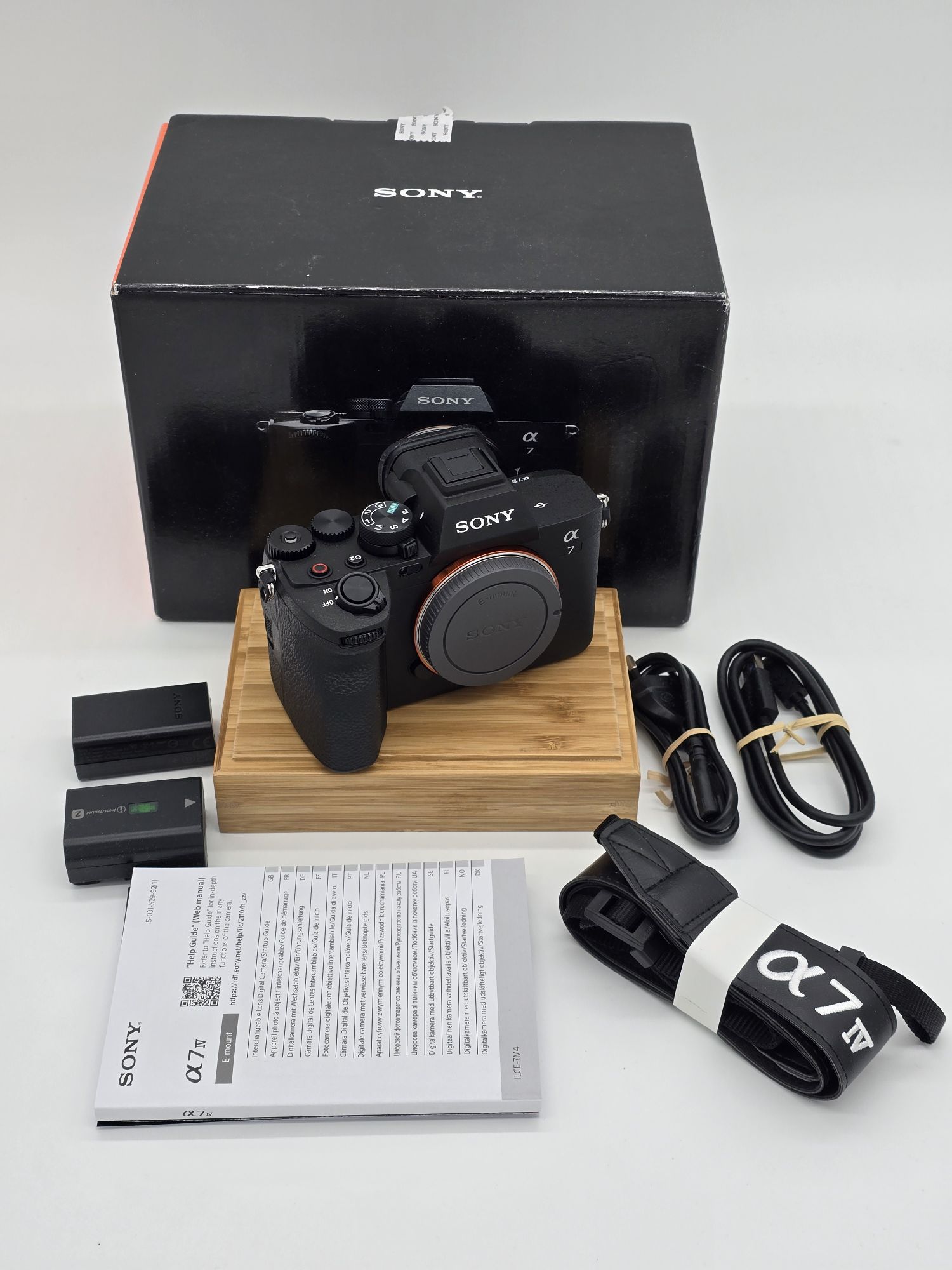
- Sony: A7 III (2018) and A7 IV (2021).
- Canon: EOS R6 and EOS R6 Mark II.
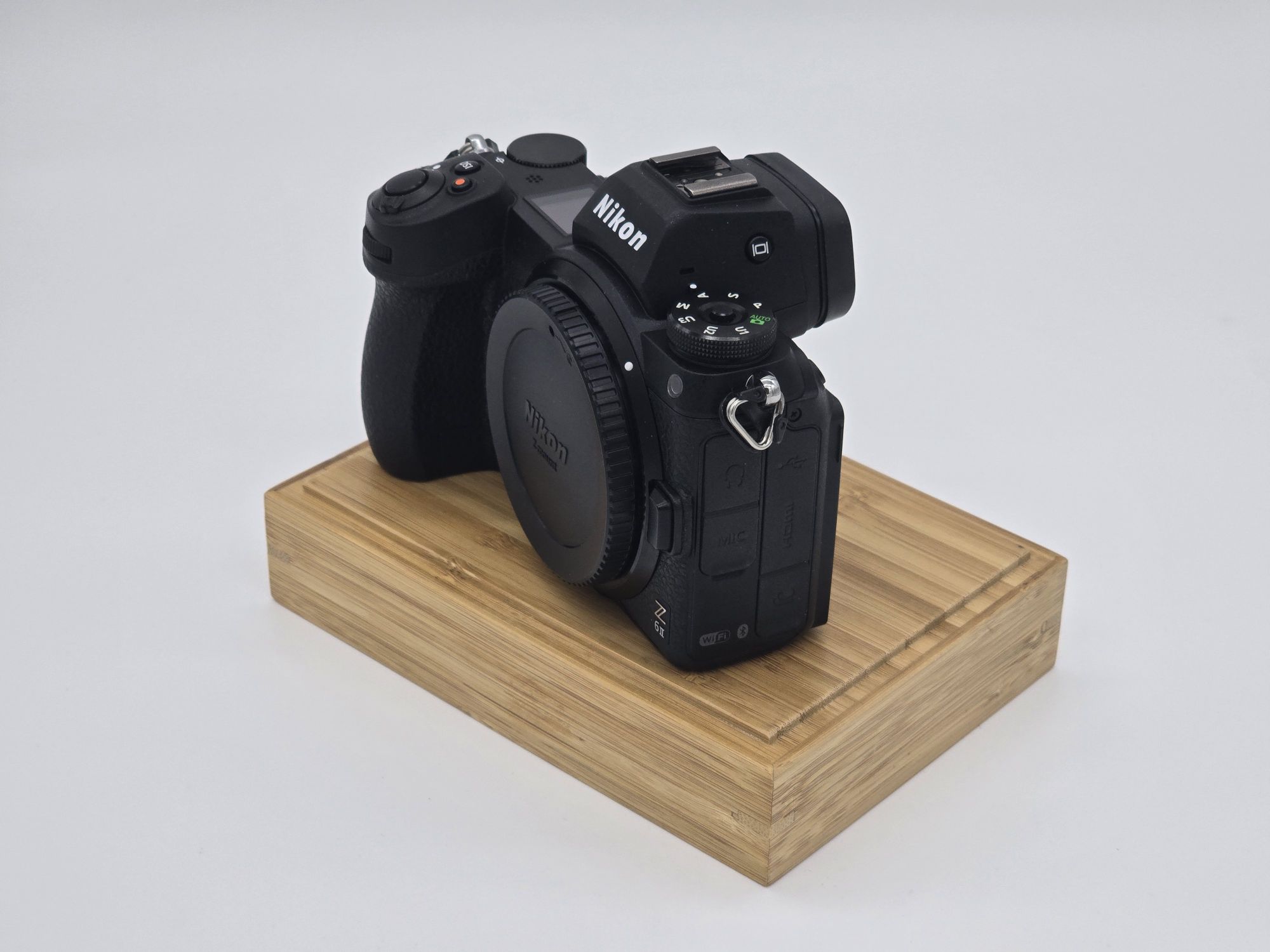
- Nikon: Z6, Z6 II and Z6 III.
As a rough guide, older generations on the used market sit at about 20–30 thousand CZK and newer ones around 35–50 thousand CZK, depending on condition, shutter count and what is in the box. Prices change, so take the numbers only as a guide.
What is worth paying extra for
A newer generation makes sense when you need something specific:
- Video. The A7 IV offers 10-bit recording and a fully articulating screen, while the older A7 III has only 8 bits and a screen that only tilts up and down. Details in Sony A7III vs. A7IV.
- Resolution. The A7 IV has 33 MP against 24 MP, which helps with crops and large prints.
- Autofocus on animals and sport. Newer bodies track subjects better; you notice the difference mostly with fast movement.
- Screen and ergonomics. You appreciate an articulating screen and a better viewfinder every day.
If you mostly shoot landscapes, street or portraits, the difference between the generations will be small for you. A comparison of the three most common used bodies is in Sony A7III vs. Canon R6 vs. Nikon Z6II.
The lens matters more than the body
The difference between a good and an average lens shows in the photo more than the difference between two generations of body. So it pays to save in a different way with lenses:
- A universal f/2.8 zoom. The Tamron 28–75 mm f/2.8 G2 costs roughly half of a comparable Sony GM lens, and the Sigma 24–70 mm f/2.8 Art is also much cheaper. Where the catch is, you can read in the Tamron vs. Sony GM comparison.
- A prime. The Sony 35 mm f/1.4 GM is great in dim light, but it is heavier and dearer. Whether the difference pays off is covered in 35 mm f/1.8 vs. f/1.4 GM.
- The second generation is not always a must. The older version of a lens is usually cheaper used and is enough for most situations. An example is the Sigma 24–70 mm Art.

APS-C as a cheaper route
A body like the Canon EOS R7 with 32.5 MP and stabilisation is a good choice for travel and sport. Achieving a shallow depth of field is harder on APS-C and in weak light it has more noise than full frame. Another obstacle is the limited choice of APS-C lenses in some systems. If you plan to expand the system over time, consider the mount for which you can find lenses to fit your future plans. A comparison is in Canon R7 vs. Sony A7III.
Settings that get the most from an older body
- Autofocus: AF-C with tracking and eye detection. On older bodies use a zone or the centre point, not the wide area, where the body is easily fooled.
- ISO: auto with an upper limit of about 6400. Older 24 MP sensors are still usable in this range.
- Format: RAW. Older sensors have enough dynamic range, but you need room for editing.
- Shutter speed: for a static subject handheld roughly 1/focal length; with a stabilised body even two to three stops slower. Always check sharpness by zooming in on the display.
- Firmware: update it, because older bodies often received bug fixes and new features.
Typical mistakes
- Chasing the novelty. You pay for a feature you will not use.
- An expensive body and a cheap lens. The result is worse than an older body with good glass.
- Buying a body by shutter count. The overall condition and the behaviour of the shutter matter more, see shutter count.
- Forgetting the accessories budget. Cards, batteries and a bag together swallow a surprising amount.
- Buying without an inspection. The procedure is in How to check a used camera before buying.
What I would do
For stills I would take an older full frame (A7 III, Z6 II or R6) and put the rest of the budget into a quality f/2.8 zoom. For stills and video I would pay extra for the A7 IV or the R6 Mark II. What is on offer right now is in the cards below, or have a look at the offer. Tell me your budget and main use and I will find the best value precisely for you.