Buying advice
Weddings: a reliable set of bodies and lenses
A wedding gives no second chance. Which body and fast lenses to choose so that your gear does not let you down, and what to check on used units.
A wedding cannot be repeated. However good the photographer, the gear must not let them down: that goes for the body, lenses, cards and batteries. A good wedding kit is therefore not about the most expensive pieces but about reliability, fast glass and backup. A well thought-out combination of one zoom, one or two fast primes and a second body will serve you well.
The body: what it must do
For weddings I would look for a full-frame body with these features:
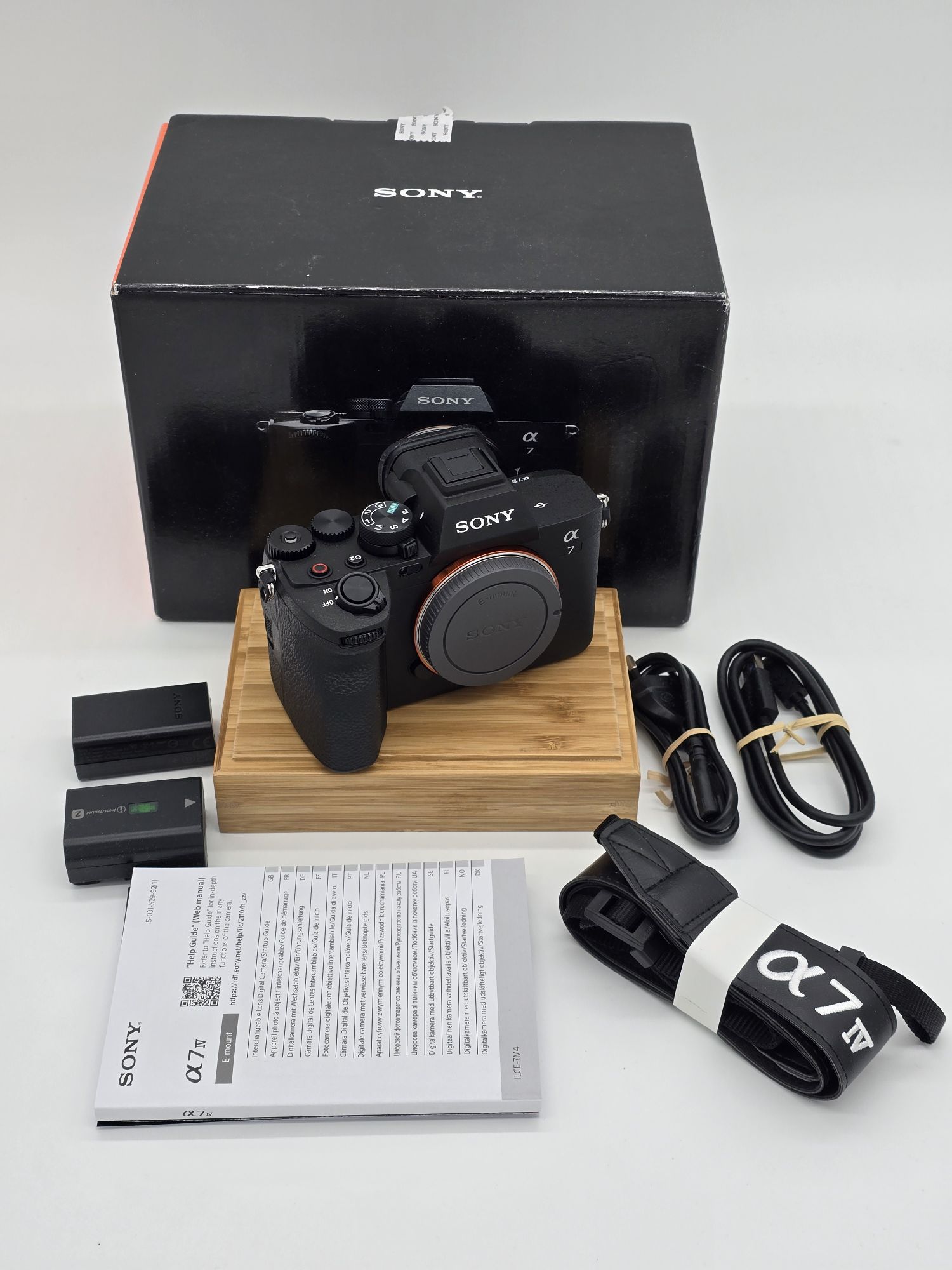
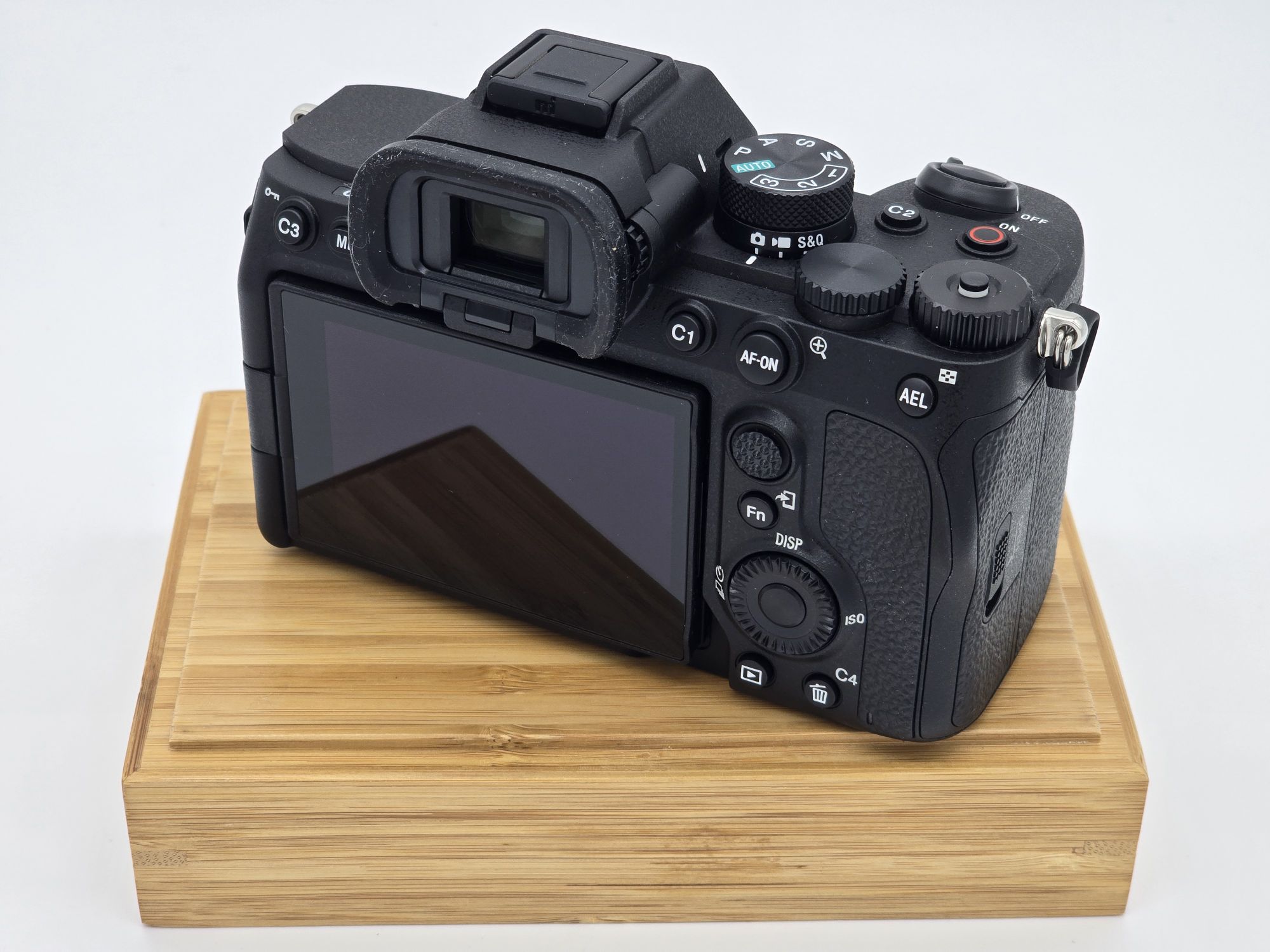
- Two card slots. Writing to a second card is essential, because a damaged card on a job can mean losing the whole day. The Sony A7 IV and Nikon Z6 II have two slots, the Sony A7C and Canon EOS R8 only one.
- Reliable autofocus with eye detection. A groom in backlight, a bride in a white dress, darkness in a church: the body must keep focus on the eyes even in difficult light.
- Good high-ISO performance. A church ceremony is often shot at ISO 3200–6400, and a body with 24–33 MP handles that without trouble.
- A quiet shutter so it does not disturb the ceremony. Check how the body behaves with the electronic shutter under artificial light, because banding can appear.
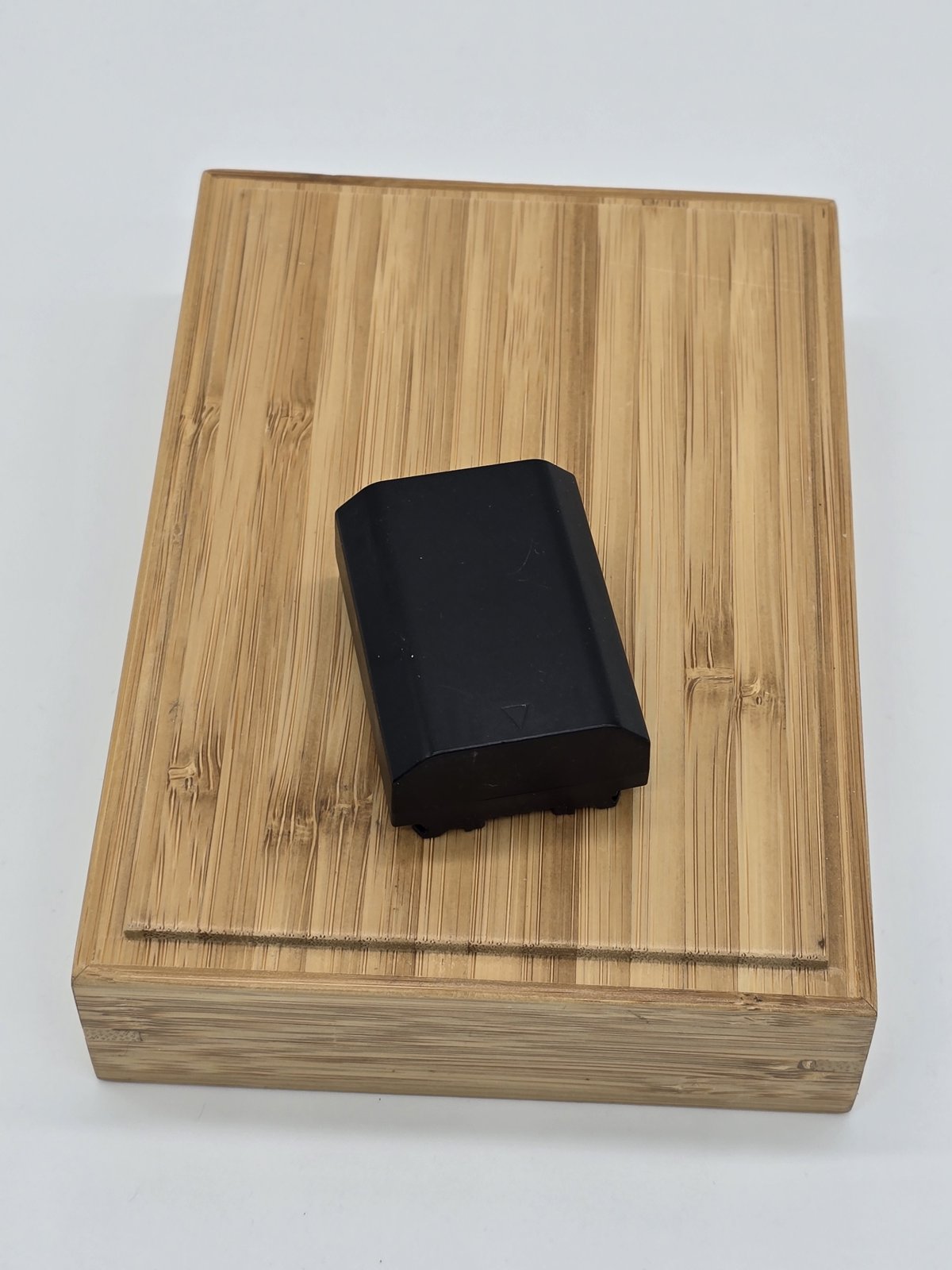
- Battery life and cheap spare batteries. Plan for at least three for a wedding, since one will not last the whole day.
Among used bodies the Sony A7 IV and Nikon Z6 II fit best, and also the Canon EOS R6 and R6 Mark II. The APS-C Canon EOS R7 works as a backup body or for details, but you must account for the 1.6× crop factor in your focal lengths.
Lenses: the core and the extras
A wedding day has three types of situations: preparations and details in small rooms, the ceremony and group shots in ordinary light, and portraits of the couple, often in evening light.
- A fast 24–70 mm f/2.8 zoom is the workhorse. It covers preparations, the ceremony and groups, and you do not have to change lenses. Candidates are the Sony FE 24–70 mm f/2.8 GM, the Sigma 24–70 mm f/2.8 DG DN Art or the Tamron 28–75 mm f/2.8 Di III VXD G2, which is lighter and cheaper.
- A fast 35 mm f/1.4 prime is great for dark interiors, reportage and details. The Sony FE 35 mm f/1.4 GM is sharp and quick.
- An 85 mm f/1.4 prime is the wedding classic for portraits and for the ceremony from a distance. The Sony FE 85 mm f/1.4 GM is heavier (around 820 g) but renders beautifully.
- The Sony FE 100 mm f/2.8 STF GM OSS is a special portrait lens with very smooth background blur. The apodization element that makes the blur so smooth transmits light like a T5.6 lens, much less than f/2.8 suggests, so it is slow for wedding reportage. It suits calm portraits.
A full minimum is therefore two fast lenses and a second body: the 24–70 mm f/2.8 zoom on one body and a 35 or 85 mm prime on the other. Changing lenses in a church in the middle of the ceremony is awkward and risky.

Flash, cards and batteries
A wedding can be shot without flash, but in a dark hall without suitable light you quickly come to rely on one. Bouncing it off a white ceiling or wall gives softer light than direct flash. Use reputable cards, not the cheapest, with a speed of at least V60 for video and UHS-II for photos if the body supports it. After each wedding format a card only after copying the files to two places, never earlier.
Checking used units
- Body. Check the shutter count, the state of the controls, slots and screen. On a wedding body function matters more than cosmetics. Test autofocus in continuous mode and on eyes.
- Lenses. Inspect the front and rear element, play in the mount and the action of focus and aperture. Dust inside does not matter, fungus does.
- Card and battery. Try recording to both cards at once.
The general procedure is in the article How to check a used camera before buying.
What I would do
For a wedding I would take two identical or compatible bodies, a 24–70 mm f/2.8 zoom and a fast 35 or 85 mm prime, plus three batteries and two cards. Do not rely on the cheapest gear: fast glass and reliability matter more than the newest number on the box. If you cannot get everything at once, start with a body and the zoom and add the second body and the prime gradually.
What I currently offer you will see in the cards. Write to me how many weddings you shoot a year and I will advise on backup and cards. More gear is in the shop.