Buying advice
Mountains and outdoors: light, tough, reliable
How to put together a light and tough mountain kit, set it up for snow, fog and frost, and what to check on a used body and lens.
In the mountains you count every gram, yet you need equipment that will not let you down in fog, rain or frost. Repairing or replacing gear there is not an option, so it pays to choose by reliability and by the weight of the whole kit, not by a single parameter. This article shows how to put together a light kit, how to set it up and what to check on a used body and lens.
A light kit: body and lens together
You carry the whole kit, so count the body and the lens together. Roughly:
- Sony A7C with the Sony FE 24–50 mm f/2.8 G: about 1 kg, in-body stabilisation, 24 MP.
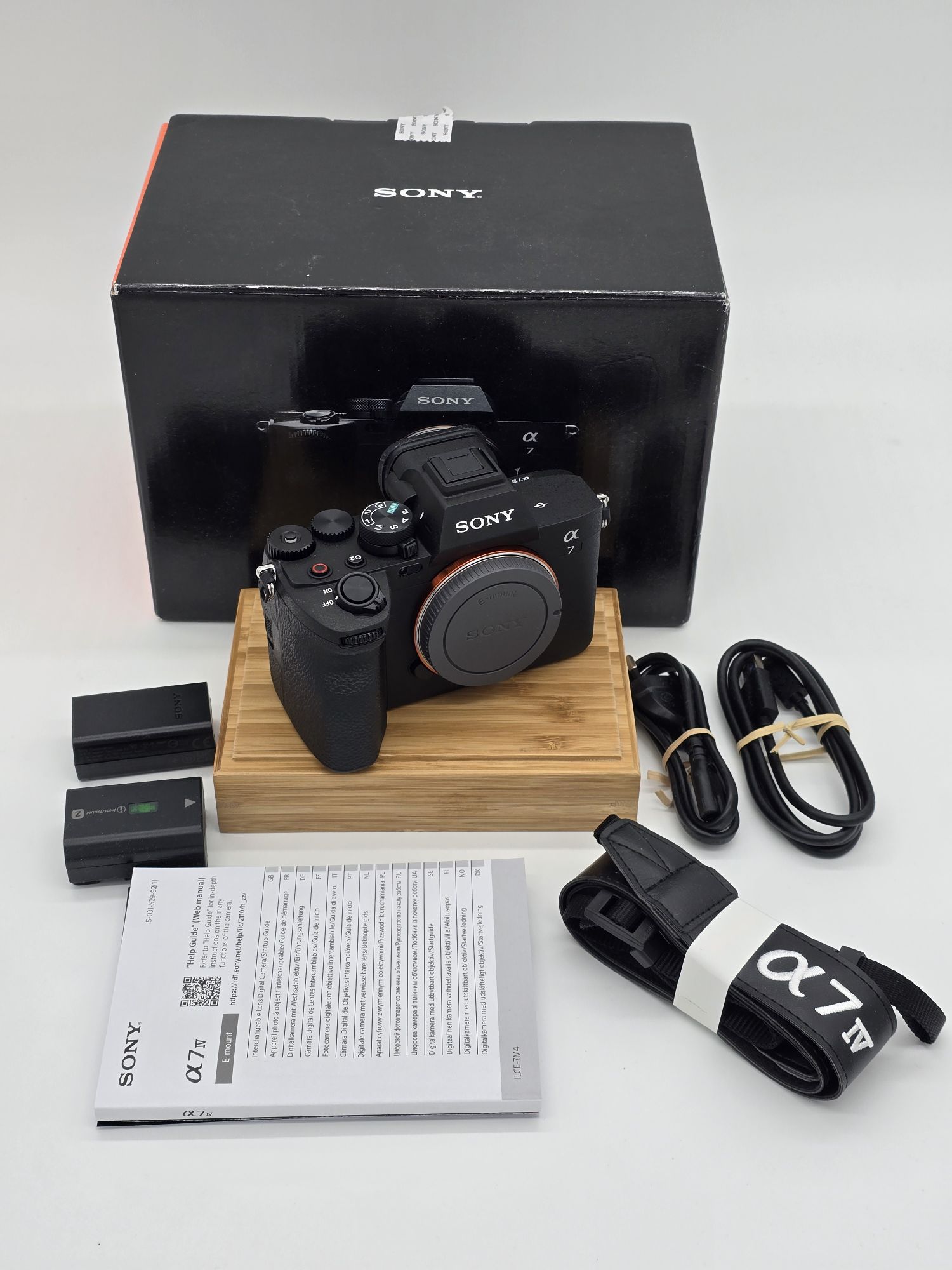
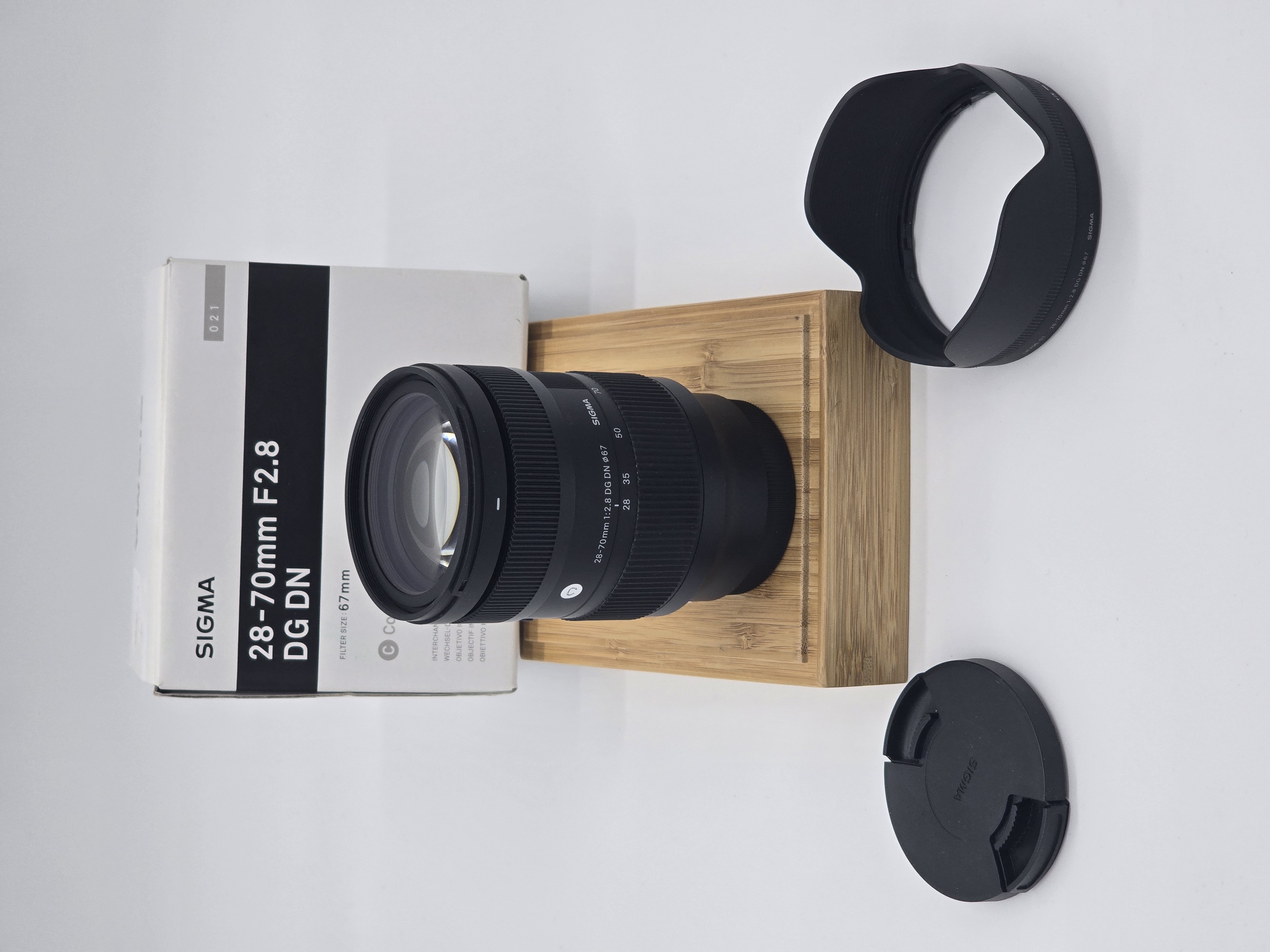
- Sony A7 IV with the Tamron 28–75 mm f/2.8 G2 or the Sigma 28–70 mm f/2.8 Contemporary: about 1.2 kg, 33 MP.
- Nikon Z6 II with a lighter zoom: roughly 1.2–1.3 kg, a robust body with two card slots.
You do not need to carry the heavy f/2.8 "big trinity" zooms into the mountains (the Sony 24–70 mm f/2.8 GM weighs around 900 g). A quality compact f/2.8 zoom handles landscapes and details. For travel a universal 24–70 mm range is ideal. More about that in Travel lens: one piece for everything.
If you want one extra wide-angle lens, make sure you will really use it. In the mountains a 16–35 mm covers the view into the valley, but you will shoot the rest of the day at 35–70 mm.
What survives and what does not
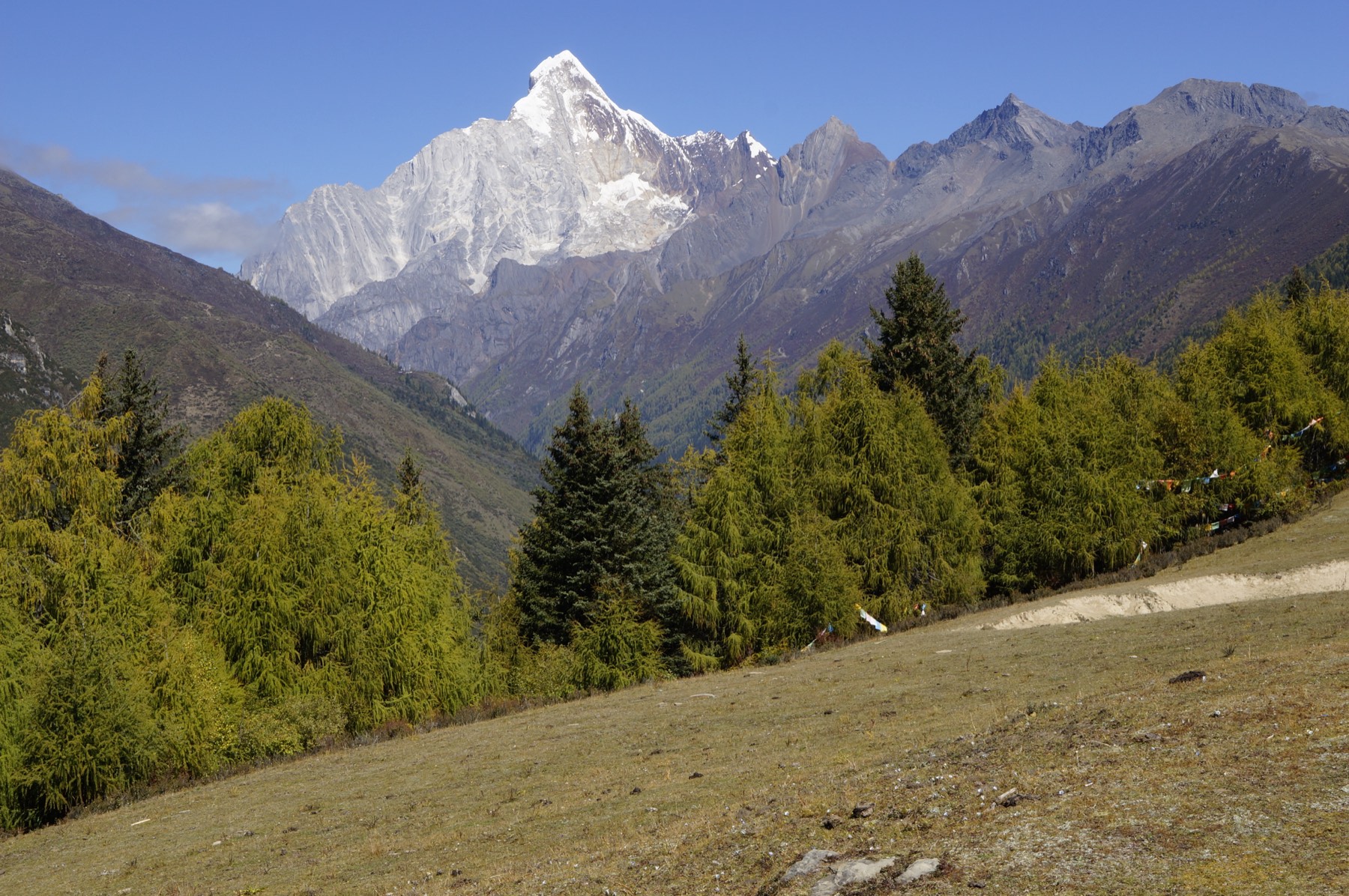
Tough bodies have seals against dust and moisture, but that is not waterproofing. Seals cope with fog, snow and light rain, not immersion or wind-driven rain over a long time. The same applies to lenses: only selected models are sealed, and the combination is resistant only with a sealed body. Seals also wear out over time.
A far more common problem than water is frost. Batteries lose capacity quickly in winter, so take at least two spares and carry them in a pocket close to your body. And when you come from the cold into a warm room, prevent condensation: leave the camera packed in its bag until it warms up. The whole procedure is in Winter and mountain photography.
If you shoot in fog, rain or dusty terrain, a rain cover for the body, a lens hood and a microfibre cloth help. Change lenses in a tent or inside your backpack rather than in the wind, so that dust and snow do not get into the body.
Settings that work in the mountains
- Landscape: aperture f/8–11, ISO 100–200, a single AF-S point. On a tripod switch stabilisation off if the body or lens recommends it.
- Handheld: at least 1/250 s at 50–70 mm; with a stabilised body even 1/60 s. In wind and while moving, faster.
- Snow and fog: add +0.7 to +1.3 EV, otherwise white turns grey. Check the histogram, not just the display, which looks different in the sun.
- Contrast in bright light: shoot RAW to save highlights in the sky and shadows in the rocks. The background is explained in RAW or JPEG.
- White balance: in fog and shade set it manually or correct it in RAW; auto is often too cold.
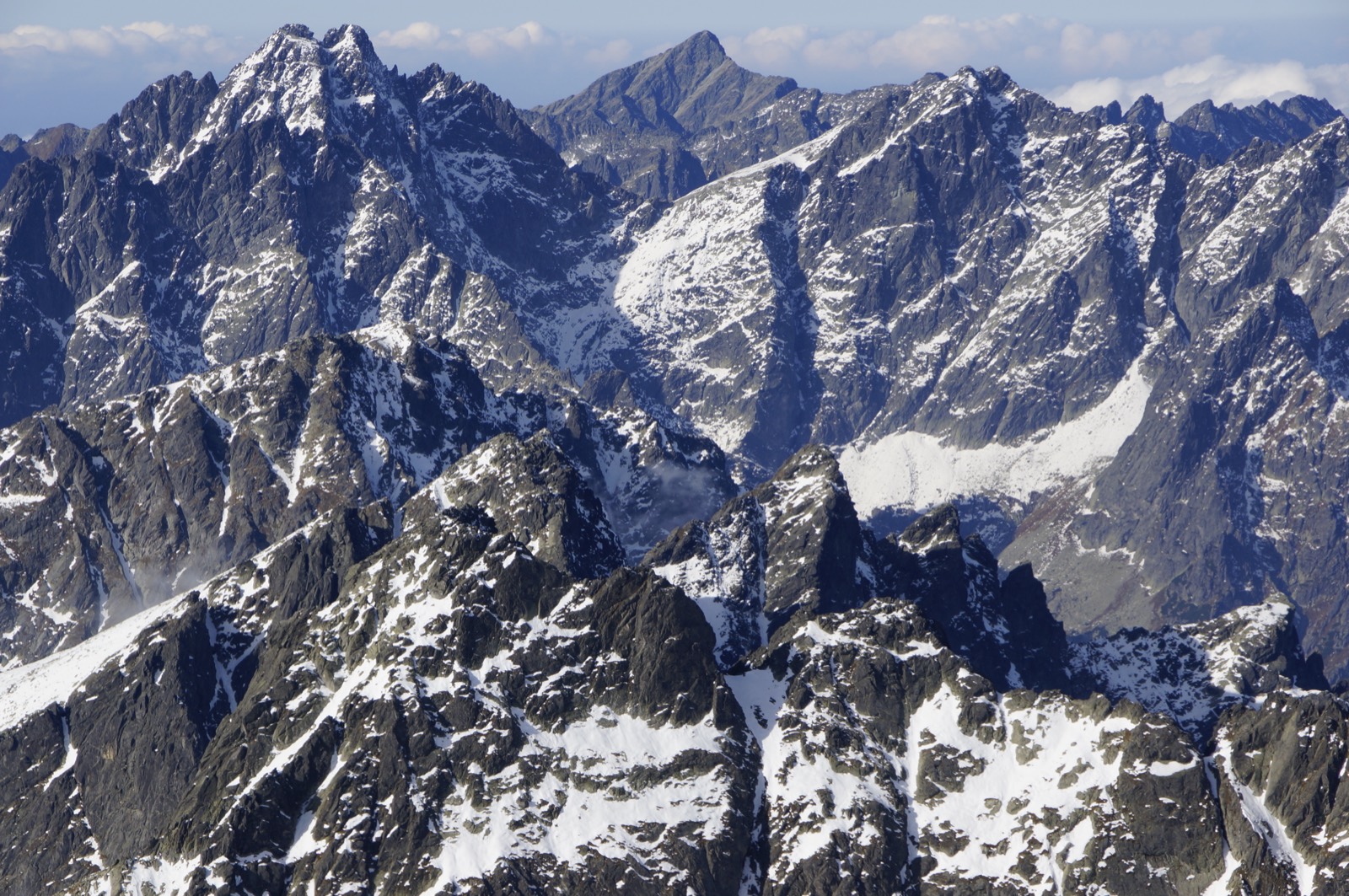
- Light: morning and evening, when contrast is at its best. Midday is the worst for mountains. More in Landscape composition.
What to check on a used body and lens
The basic procedures are in the articles on checking a camera and a lens. For mountain photography also watch for:
- Seals around the card cover, ports and the battery door. They should be intact, soft and springy.
- Signs of moisture: fogged optics inside, corrosion on contacts, white deposits. It can be early mould, see the article on mould.
- The sensor: lenses get changed often in the mountains, so dust is common. Verify with a test shot of a bright surface at f/11.
- The battery: find out the condition of the original battery, because frost reveals weak cells first.
- The lens zoom: it must not extend by itself and should not rub.
Typical mistakes
- Too much gear. Two bodies and five lenses add weight but rarely improve photos.
- One battery. It is not enough in frost and on an all-day hike.
- A forgotten card or cloth. Check your backpack before you set out.
- Opening the bag after coming into the warm. Condensation settles on the lenses and inside the body.
- A cheap filter on the front element. It adds flare and haze in backlight.
- Shooting only at midday. The sky looks pale and the shadows are harsh.
What I would do
For the mountains I would take a small body with stabilisation, one fast zoom in the 24–70 mm range, two spare batteries, a microfibre cloth and a rain cover. As the only addition I would consider a prime around 35 mm. What the e-shop currently offers is in the cards below, or have a look at the offer. Tell me whether you prefer hiking or ski touring and I will fine-tune the kit and the protection.