
Buying advice
The travel lens: one lens to do it all
On the road, weight and versatility matter most. Why one good prime is worth considering – and when a zoom makes more sense.
When you travel, weight and versatility are what count. If you don't want to carry three lenses, one good prime around 35 mm is the way to go – it handles landscapes, street and portraits.
Why a prime
It's lighter, faster and sharper than most travel zooms. A 35 mm focal length feels the most natural – “what you see is what you get.” For most situations, 35 mm or 50 mm is enough.
When a zoom makes sense
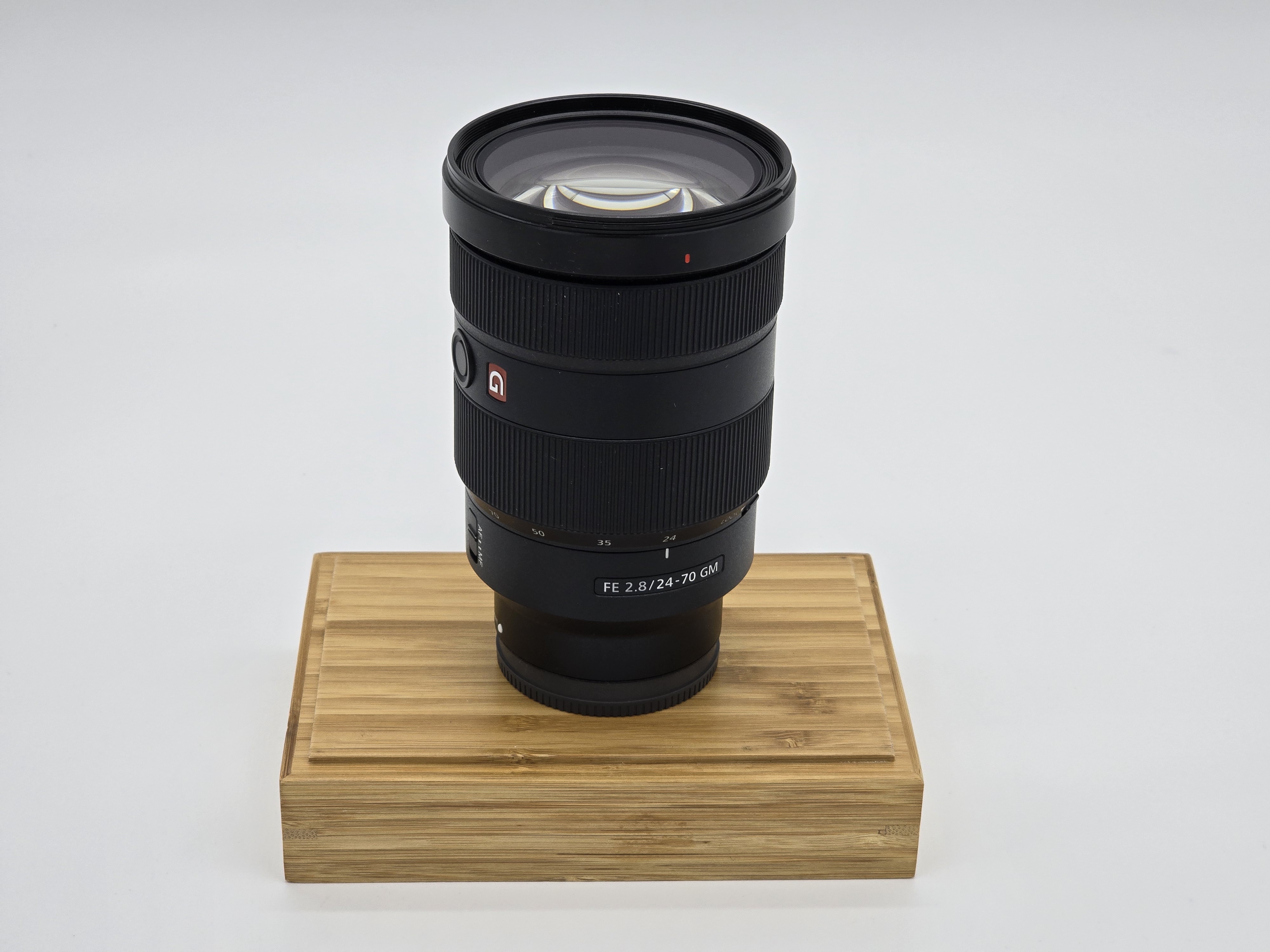
If you want one lens to cover more, reach for a zoom. The Sony FE 24–70 mm f/2.8 GM is the most versatile choice – it covers both landscapes and portraits. For a lighter kit, the Sony FE 24–50 mm f/2.8 G is an alternative.
Always check compatibility with your body – whether it's full frame or APS-C – to avoid disappointment.
What to watch for with a used lens
When buying second-hand, a thorough inspection is key:
- Glass: look at the front element and the inner elements. A bit of dust is fine; scratches or fungus are a deal-breaker.
- Autofocus and stabilization: make sure the lens focuses properly across the whole range and isn't noisy or jerky.
- Mount: check that there's no play, because it can affect sharpness.
If you're buying a body too, check the shutter count and sensor condition. My stock includes the Sony A7 IV and Canon EOS R6, among others, often in flawless condition – both make a great base for travel.
The ideal combination won't always be in stock. In that case, focus on the condition and history of the specific copy: a less-than-perfect lens in hand beats no lens at all.
Tell me where you travel and how light you want to pack – I'll recommend a specific combination.

Objektiv
Sony FE 70-200mm f/4 G
Objektiv
Sony FE 24-50mm f/2.8 G