Comparison
Canon EOS R6 Mark II vs. Sony A7 IV: which full-frame camera should you choose in 2026?
Canon EOS R6 Mark II or Sony A7 IV? I compare the sensor, autofocus, video, ergonomics and lens lineup to help you pick the right full-frame body in 2026.
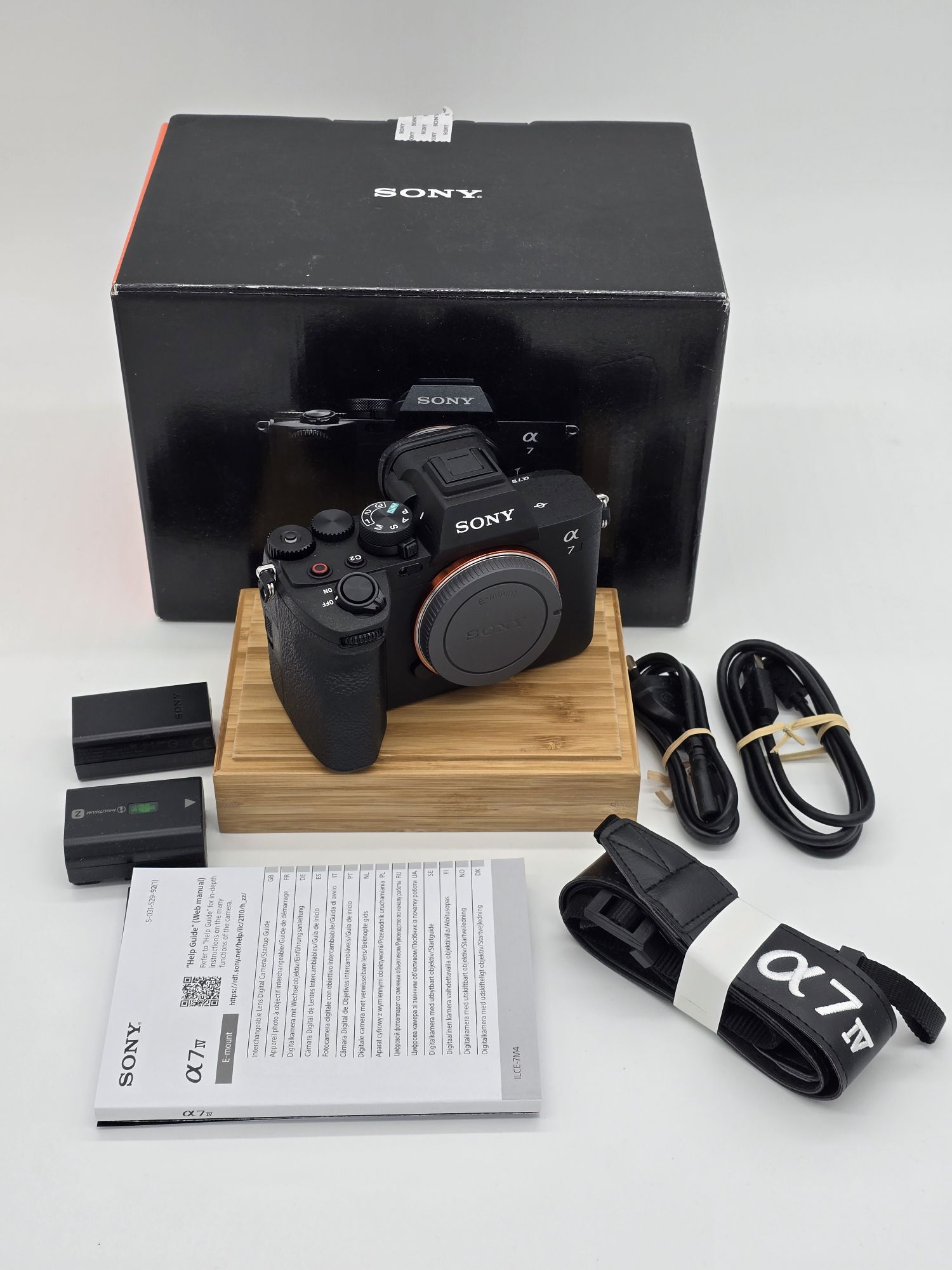
Choosing between the Canon EOS R6 Mark II and the Sony A7 IV isn't just about specs – it's mostly about how you shoot. Sony tempts you with higher resolution and a huge range of lenses; Canon, with excellent ergonomics, reliable autofocus and intuitive handling.
In 2026, neither is the newest model anymore, yet both bodies are still very competitive. Let's look at which one fits your needs better.
Sensor and resolution
This is where the two cameras differ the most. The Sony A7 IV has a 33 MP sensor, while the Canon EOS R6 Mark II has 24.2 MP.
You'll appreciate the Sony's higher resolution in landscapes, detailed portraits, or when you need to crop and enlarge heavily. For most everyday work, including commercial jobs and social media, the Canon's 24 MP is plenty. The Canon also handles noise well at higher ISOs.
- Sony A7 IV: when you need as much detail as possible and have enough light or a tripod.
- Canon EOS R6 Mark II: when you want a versatile tool with smaller files that are easier to work with.
Autofocus
Both cameras have top-notch autofocus with eye and face detection that reliably tracks moving subjects too. The Canon EOS R6 Mark II has the newer system, which recognizes vehicles in addition to people and animals.
In practice, the Canon is often seen as more intuitive – you half-press the shutter, the camera picks what to track and sticks with it. The Sony usually takes more tweaking to get the same reliability.
For sports and fast action, the Sony is still a good choice. But the Canon usually delivers more consistent results without you having to keep an eye on focus all the time.
Video
Both cameras shoot 4K in 10-bit 4:2:2 with a log profile, so both hold up well to color grading in post. The difference is in the details:
- Canon EOS R6 Mark II shoots 4K 60p from the full sensor width, with no crop.
- Sony A7 IV shoots 4K 30p from the full width, but 4K 60p only with a crop.
For photographers who occasionally shoot video for social media or a documentary, either will do. If you shoot a lot of video and count on smooth 60 frames per second, the Canon is the body with fewer compromises. The Sony, on the other hand, makes up for it with a wider range of video-friendly lenses.
Ergonomics
Here the Canon has a clear lead. The R6 Mark II body sits well in the hand, has a deep grip and logically placed controls. Switches and dials are where you expect them, and the menu is easy to navigate.
The Sony A7 IV also has a good body, but its menu is often criticized as complicated. You can waste time hunting for the right setting – time you'd rather spend shooting. On long photo trips, when hand and eye fatigue matter, the Canon is more comfortable to use.
Lens ecosystem
For a long-term investment, this is the deciding factor. Sony has a huge range of lenses from Sony and from third parties (Sigma, Tamron and others). You'll find a wide spectrum of prices and quality, including light and affordable options. If you want maximum choice, Sony wins.
Canon has a strong lineup of native RF lenses. The third-party selection is smaller, but the quality of the native glass is top-notch.
If you already own Canon lenses, moving to the R6 Mark II is the natural step. If you're starting out, consider whether you prefer Sony's wide selection or Canon's narrower but high-quality lineup.
Conclusion
There's no clear winner.
- Sony A7 IV is for you if you want higher resolution and the widest possible choice of lenses, including third-party ones.
- Canon EOS R6 Mark II is for you if you put ergonomics, reliable autofocus, smaller files and intuitive handling first.
Even in 2026, both cameras are a great choice for professionals and advanced amateurs alike. Pick the one that fits your hand and your workflow better.